
pH measures how acidic or alkaline a liquid is, impacting everything from your health to the environment. It affects how foods taste, your body’s ability to absorb nutrients, and the health of ecosystems. Maintaining proper pH levels is essential for safety, comfort, and sustainability. Understanding pH helps you make informed choices about what you consume and how we protect our planet. Keep exploring to discover why pH truly matters in everyday life.
Key Takeaways
- pH measures how acidic or alkaline a liquid is, with 7 being neutral.
- It affects taste, health, and environmental conditions, impacting everything from water to soil.
- Maintaining proper pH in the body is essential for health and bodily functions.
- pH influences chemical reactions, substance stability, and water treatment processes.
- Monitoring pH helps protect ecosystems, prevent environmental damage, and ensure safe consumption.
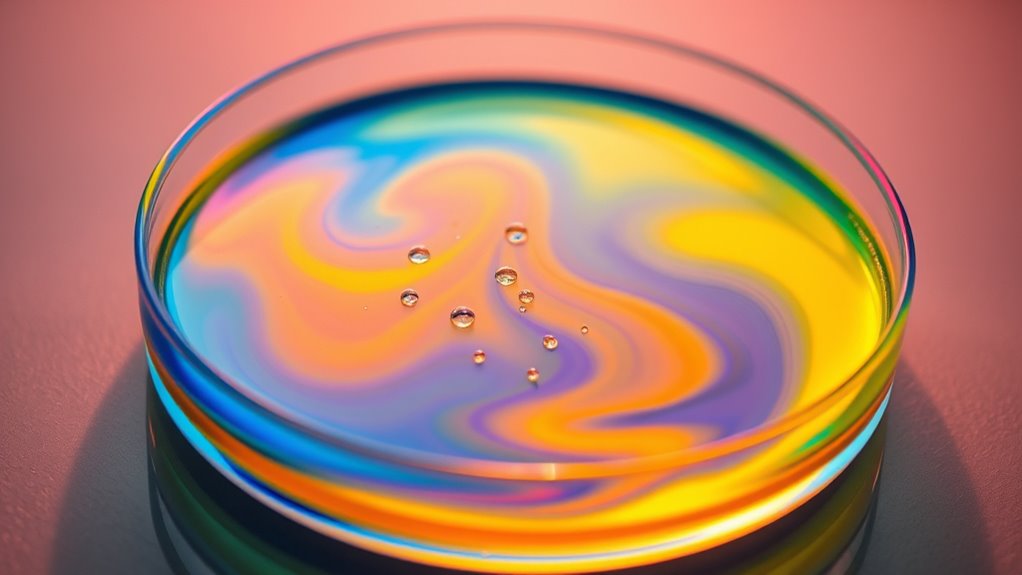
Have you ever wondered why some liquids feel sour or bitter, while others taste sweet or neutral? The answer lies in something called pH, a scale that measures how acidic or alkaline a substance is. Understanding pH balance is essential because it influences everything from the taste of your food and drinks to the health of your body and environment. At its core, pH is a way to quantify water acidity, indicating whether a liquid is more like lemon juice or pure water.
pH measures how acidic or alkaline a liquid is, affecting taste, health, and the environment.
When you think about water acidity, it’s helpful to know that pure water has a neutral pH of 7. This means it’s neither acidic nor alkaline. But many liquids we encounter daily can have a pH value that deviates from this neutral point. For example, lemon juice has a pH around 2, making it highly acidic and resulting in that sour taste you experience. On the other hand, baking soda solution has a pH above 9, making it alkaline and giving it a bitter taste. When liquids are outside the neutral pH range, they can cause different sensations on your tongue and impact how substances interact chemically.
pH balance isn’t just about taste; it’s imperative for health and the environment. Your body, for instance, maintains a tightly regulated pH level, especially in your blood, which stays around 7.4. Even slight deviations can cause health issues, so your body works hard to keep this balance stable. In the environment, water acidity influences ecosystems. Acid rain, which forms when pollutants increase water acidity, harms aquatic life by altering habitats and damaging sensitive species. Similarly, maintaining proper pH levels in soil and water is indispensable for agriculture, ensuring plants can absorb nutrients effectively and remain healthy. Proper pH management is also crucial in GMC tuning, especially when optimizing engine performance and preventing corrosion.
Understanding water acidity also helps you make informed choices about what you consume and how you treat your environment. For example, if you’re troubleshooting for hard water buildup, knowing its pH can guide you toward proper treatment methods. If you’re testing a solution or water source, a simple pH strip or digital meter can give you quick insight into its acidity or alkalinity. Recognizing how pH impacts various substances helps you grasp why some things taste sour, why others are bitter, and why maintaining the right pH balance in your body and surroundings is so important. In essence, pH is a fundamental aspect of chemistry that affects your everyday life more than you might realize.

2 Pack pH Test Strips, 160 Strips pH.1-14 Universal pH Test Paper Litmus Test Paper Soap Making Testing Strips for Water Wine Saliva Urine Soil Testing Pet Food and Diet pH Monitoring (Sealed Pack)
【Highly Accurate and Quick Readout】- 2 Pack (160pcs) HomEnjoy pH test strips is made of high-quality filter paper,…
As an affiliate, we earn on qualifying purchases.
As an affiliate, we earn on qualifying purchases.
Frequently Asked Questions
How Is Ph Measured Accurately at Home?
To measure pH accurately at home, you can use pH testing kits or digital pH meters. With pH testing kits, simply dip the strip into your liquid and compare the color to the chart. Digital pH meters provide a precise reading; just calibrate them with buffer solutions first, then immerse the probe into your sample. Always follow the manufacturer’s instructions for the most accurate results.
Can Ph Levels Affect Plant Growth?
Yes, pH levels directly affect plant growth by influencing soil acidity, which impacts how plants absorb nutrients. If the soil is too acidic or too alkaline, your plants might struggle to get essential nutrients, stunting their development. Don’t overlook pH testing; adjusting soil pH guarantees ideal nutrient absorption, leading to healthier, more vigorous plants. Regular testing helps you maintain the right balance, maximizing your garden’s success.
What Foods Influence Body Ph Balance?
You can influence your body’s pH balance by eating alkaline foods like fruits, vegetables, and nuts, which help maintain a healthy pH level. Conversely, acidic foods such as processed meats, sugary snacks, and certain dairy products may lower your body’s pH, making it more acidic. Incorporating more alkaline foods and reducing acidic foods supports overall health, energy, and proper bodily functions, promoting a balanced internal environment.
How Does Ph Impact Water Treatment Processes?
You can’t judge a book by its cover, and the same goes for water treatment. The pH level directly impacts water acidity and alkaline balance, influencing how effectively contaminants are eliminated. When water’s pH is too low or high, treatment processes like coagulation and disinfection become less efficient. By maintaining the right pH, you guarantee cleaner, safer water, highlighting the importance of proper pH control in water treatment systems.
Is Ph Level the Same in All Bodily Fluids?
No, pH levels vary in different bodily fluids. During pH testing, you’ll see that blood is slightly alkaline, around 7.35-7.45, while gastric juice is highly acidic, with a pH of 1.5-3.0. Urine pH can range from 4.5 to 8.0. These differences are essential for proper bodily functions. Monitoring pH in bodily fluids helps you understand your health and detect imbalances early.

VIVOSUN Digital pH Meter, 0.01pH High Accuracy Pen Type pH Tester for Hydroponics, Household Drinking, Pool and Aquarium, Yellow, UL Certified
Application: Ideal for residential or commercial use, water, pool, spas, liquid food, laboratory, aquaculture and hydroponics
As an affiliate, we earn on qualifying purchases.
As an affiliate, we earn on qualifying purchases.
Conclusion
Understanding pH helps you grasp how acidity or alkalinity affects your daily life, from health to the environment. When you know why pH matters, you can make better choices for your well-being and the world around you. So, next time you see a pH scale, ask yourself: aren’t I curious about how this tiny number can influence so much? Isn’t it fascinating how such a simple concept holds the key to so many important things?
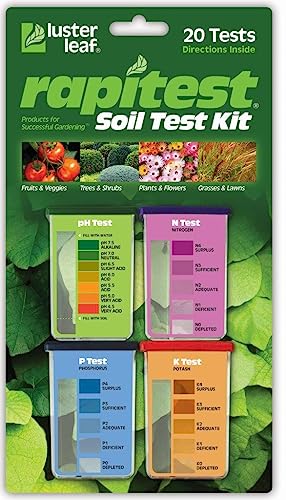
Rapitest Soil Test Kit for Gardens, Vegetables, Flowers and Lawns. USA designed and assembled soil tester completely, quickly and accurately measures/analyzes soil pH acidity and garden nutrients.
Quick, at home results for Soil pH, Nitrogen, Phosphorous and Potash Innovative and inexpensive soil test kit features…
As an affiliate, we earn on qualifying purchases.
As an affiliate, we earn on qualifying purchases.

VIVOSUN Digital pH and TDS Meter Kits, 0.01pH High Accuracy Pen Type pH Meter ± 2% Readout Accuracy 3-in-1 TDS EC Temperature Meter for Hydroponics, Pool and Aquarium, Yellow Blue, UL Certified
Application: Great for all home and laboratory TDS & pH testing applications including aquariums, swimming pools
As an affiliate, we earn on qualifying purchases.
As an affiliate, we earn on qualifying purchases.