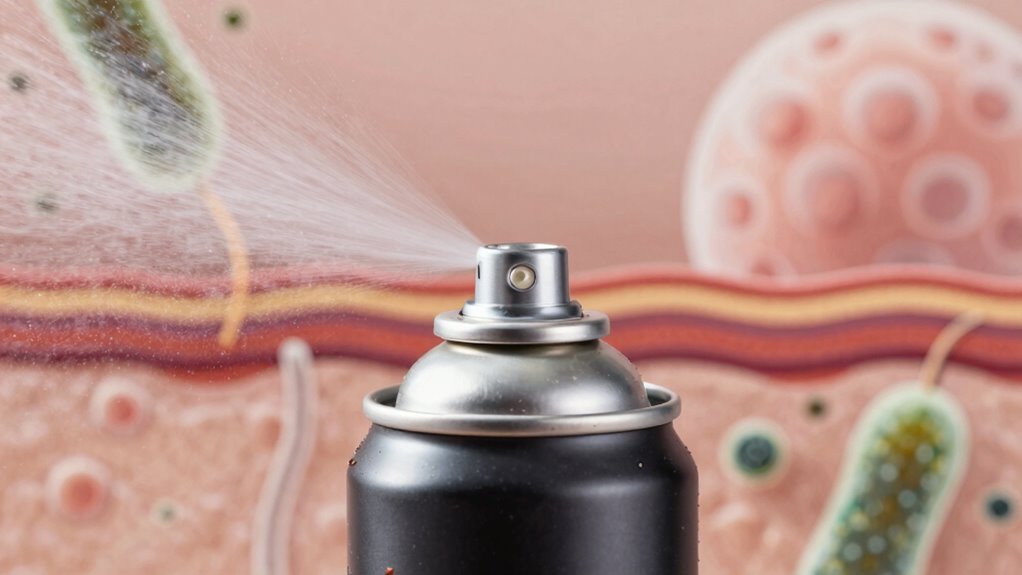

Deodorants work by masking or neutralizing odor-causing bacteria with fragrances and antimicrobial agents, keeping you smelling fresh, but they don’t stop sweating. Antiperspirants contain aluminum compounds that block sweat glands temporarily, reducing sweat production and helping you stay drier. Applying on clean, dry skin, especially at night, boosts their effectiveness. If you want to understand how these products really control odor and moisture, you’ll find some key details below.

Get school and study supplies delivered free — and shop member deals
- Fast, free delivery on millions of items
- Access to Prime Big Deal Days deals on October 6–7
- Prime Video, Amazon Music and more included
Key Takeaways
- Deodorants neutralize or mask odor-causing bacteria without affecting sweat production.
- Antiperspirants block sweat glands with aluminum compounds, reducing sweat flow.
- Fragrances and antimicrobial agents in deodorants combat odor, while aluminum compounds in antiperspirants form plugs inside sweat ducts.
- Applying antiperspirants at night enhances efficacy by targeting less active sweat glands.
- Combining both provides scent control and sweat reduction benefits.
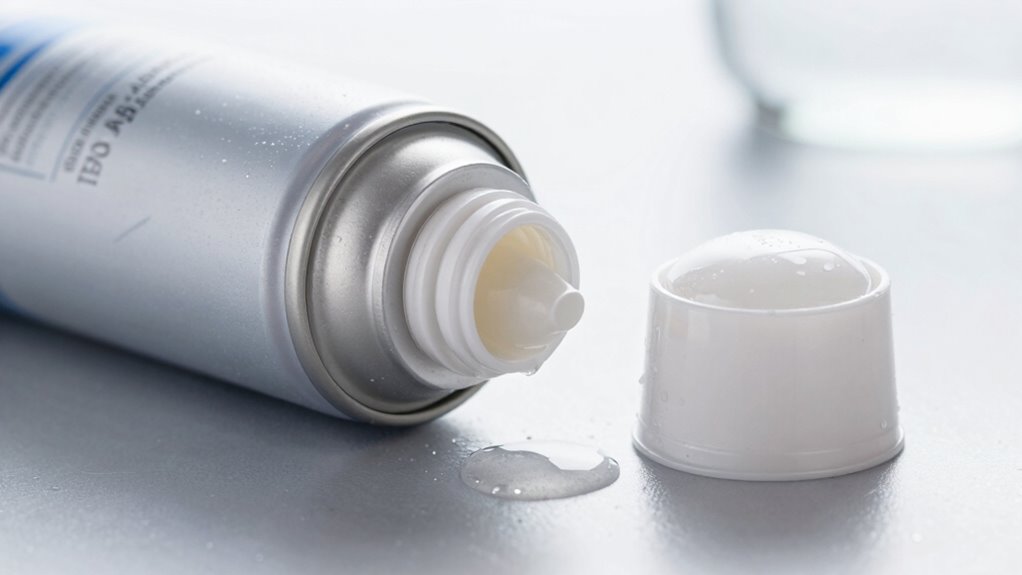
Deodorants and antiperspirants are common personal care products that help you stay fresh and confident throughout the day. They work in different ways to address odor and moisture, making sure you feel comfortable no matter what you’re doing. When you apply deodorant, it primarily acts through scent masking. It contains fragrances designed to hide or neutralize the smell caused by bacteria breaking down sweat. This keeps you smelling fresh, even after a long day. On the other hand, antiperspirants focus on sweat reduction. They contain active ingredients, like aluminum compounds, that temporarily block sweat glands. When you apply antiperspirant, these ingredients form a gel-like plug inside the sweat ducts, reducing the amount of sweat that reaches the surface of your skin.
You might wonder how these products differ in their effects. Deodorants don’t prevent sweating; instead, they target the odor created by bacteria feeding on sweat. This is why deodorants are often used daily, especially when odor is your main concern. Antiperspirants, however, actively interfere with your body’s natural cooling process by controlling sweat production. This is particularly helpful if you experience excessive sweating or want to stay dry during important events. Combining both can give you the best of both worlds—scent masking to keep you smelling good and sweat reduction to stay dry and comfortable.
The way these products are formulated influences how they work. Deodorants often contain antimicrobial agents that help kill bacteria responsible for odor, in addition to fragrances. This dual action helps you feel fresh for longer. Antiperspirants contain aluminum-based compounds, which react with the skin’s sweat to form a temporary plug. This process is safe for most people, but some may choose to avoid aluminum due to personal preferences or sensitivities. When you apply these products, it’s best to do so on clean, dry skin for *ideal* effectiveness. Applying at night can also be more effective for antiperspirants because it allows the active ingredients to work while your sweat glands are less active.
antiperspirant with aluminum compounds
As an affiliate, we earn on qualifying purchases.
As an affiliate, we earn on qualifying purchases.
Frequently Asked Questions
Are There Any Health Risks Associated With Long-Term Use?
Long-term use of deodorants and antiperspirants may pose health risks due to chemical interactions and potential hormonal effects. Some ingredients, like aluminum compounds, could interfere with hormone regulation, possibly increasing cancer risks. Additionally, certain chemicals might cause skin irritation or allergic reactions over time. It’s wise to monitor your skin’s response and consider natural alternatives if you’re concerned about these potential health effects.
Can Deodorants Cause Skin Allergies or Irritation?
They say, “Prevention is better than cure,” and that’s true for skin allergies caused by deodorants. If you have skin sensitivity, certain ingredient reactions can lead to irritation or allergies. Always check labels for potential irritants like alcohol or fragrances. To avoid discomfort, do a patch test first. If you notice redness, itching, or swelling, switch to hypoallergenic options and consult a dermatologist.
Do Natural Deodorants Work as Effectively as Synthetic Ones?
Natural deodorants can work effectively, but they often rely on natural ingredients like baking soda, charcoal, or essential oils to neutralize odor, rather than stopping sweat production. Synthetic formulations typically contain antiperspirants with aluminum compounds that block sweat glands. While natural options may not provide the same level of odor protection for everyone, many find them effective with consistent use, especially if you prefer avoiding synthetic chemicals.
How Often Should I Apply Deodorant or Antiperspirant?
You should apply deodorant or antiperspirant once in the morning and reapply if needed later in the day, especially if you notice scent fading or increased sweat. Proper application timing guarantees scent longevity and effective odor control. While some worry about over-application, sticking to these times helps prevent buildup and irritation. Adjust based on your activity level and climate, and you’ll stay fresh and confident all day.
Are There Differences in Effectiveness Based on Gender or Age?
Gender variations and age differences can influence how effective deodorants and antiperspirants are for you. Men and women might prefer different formulas, and age can affect skin sensitivity and sweat production. You may find that certain products work better as you age or based on your gender. It’s crucial to choose products suited to your unique needs and preferences, testing different options to find what keeps you fresh and comfortable.
As an affiliate, we earn on qualifying purchases.
Conclusion
Now that you know the secret powers behind deodorants and antiperspirants, you’re basically a superhero in the battle against odor! Imagine wielding this knowledge like a mighty weapon, defeating sweat and smell with a single swipe. With the right product, you could conquer even the most intense workouts or scorching summer days without breaking a sweat—literally! So go ahead, arm yourself with this knowledge and become the unstoppable force of freshness wherever you go!
clinical strength antiperspirant
As an affiliate, we earn on qualifying purchases.
As an affiliate, we earn on qualifying purchases.
natural deodorant for sensitive skin
As an affiliate, we earn on qualifying purchases.
As an affiliate, we earn on qualifying purchases.
Halloween Picks
halloween
As an affiliate, we earn on qualifying purchases.