
TL;DR

Prime made for students and young adults
- Fast, free delivery for dorm and study essentials
- Prime Video and Amazon Music included
- Member-only deals
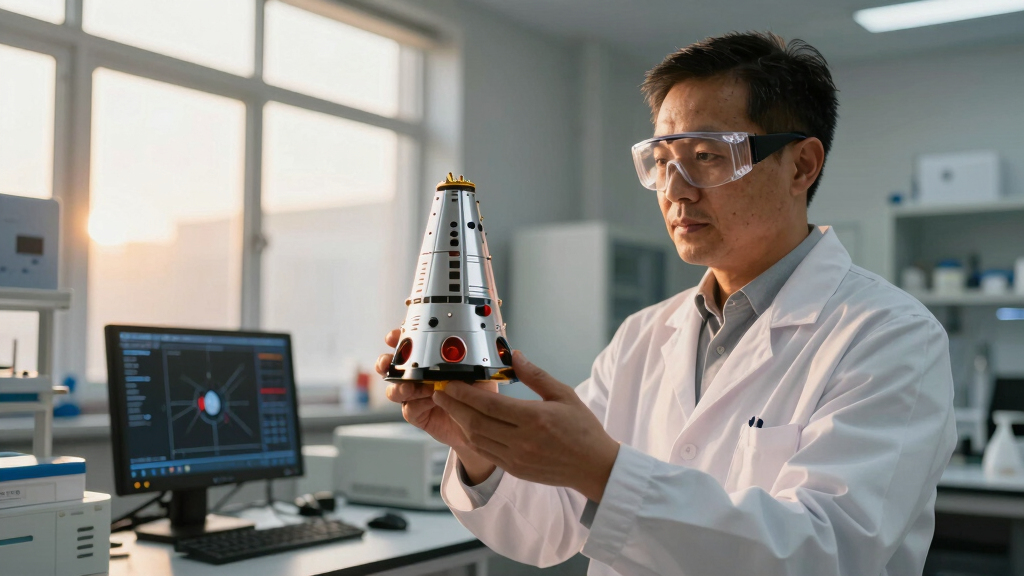
NASA and its international partners are preparing for the June launch of the Swift Boost mission, aimed at improving gamma-ray burst detection. The mission’s launch is confirmed and on track, with detailed testing scheduled before deployment.
NASA and its international partners are set to launch the Swift Boost mission in June 2024, aiming to enhance gamma-ray burst detection capabilities. The launch is confirmed to be on schedule, with final testing phases underway, marking a significant step in space-based astrophysics research.
The Swift Boost mission involves a collaboration between NASA, the Canadian Space Agency, and other international partners. It will upgrade the existing Swift satellite with new booster technology designed to extend its operational life and improve its ability to detect and analyze gamma-ray bursts. According to NASA Science, the launch is scheduled for June 2024 from the Kennedy Space Center, with all preparations currently on track.
NASA officials confirmed that the mission has passed critical pre-launch tests, including system checks and safety evaluations. The booster component, developed specifically for this mission, has undergone successful ground testing, and integration procedures are complete. The launch vehicle is scheduled for late June, with mission teams monitoring weather and technical readiness closely.
Impact on Gamma-Ray Burst Research and Space Missions
The Swift Boost mission is expected to extend the operational life of the Swift satellite, which has been a cornerstone in gamma-ray burst research since its launch in 2004. Upgrading its booster system will enable more precise and longer-term observations of high-energy cosmic events, potentially leading to new discoveries about the universe’s most energetic phenomena. This mission underscores ongoing international collaboration in space science and enhances NASA’s capabilities in astrophysics.
space telescope booster upgrade kit
As an affiliate, we earn on qualifying purchases.
As an affiliate, we earn on qualifying purchases.
Background on the Swift Satellite and Previous Missions
The Swift satellite, launched in 2004, has been instrumental in detecting and studying gamma-ray bursts, providing vital data that has advanced understanding of these powerful cosmic explosions. Over the years, the satellite has faced aging hardware challenges, prompting the need for upgrades. The Swift Boost mission was announced in 2022 as part of NASA’s broader efforts to extend the lifespan of key space observatories. The booster component, developed by international partners, aims to rejuvenate the satellite’s systems and ensure continued scientific output.
Previous missions have demonstrated the importance of maintaining and upgrading space assets, with Swift playing a critical role in multi-messenger astronomy. The upcoming launch marks the next chapter in this ongoing effort to sustain and improve space-based observational tools.
gamma-ray burst detection equipment
As an affiliate, we earn on qualifying purchases.
As an affiliate, we earn on qualifying purchases.
Remaining Technical and Scheduling Uncertainties
While preparations are on schedule, it is not yet confirmed if weather conditions or technical issues could cause delays. Specific details about the final testing outcomes and launch window adjustments remain undisclosed, and launch readiness is being continuously monitored.
As an affiliate, we earn on qualifying purchases.
Final Preparations and Launch Timeline Confirmation
In the coming weeks, mission teams will conduct final system checks and weather assessments. The launch is targeted for late June 2024, with a detailed timeline dependent on these evaluations. Post-launch, the focus will shift to mission operations and initial data collection, expected to begin shortly after deployment.
As an affiliate, we earn on qualifying purchases.
Key Questions
What is the purpose of the Swift Boost mission?
The mission aims to upgrade the Swift satellite with new booster technology to extend its operational life and improve gamma-ray burst detection capabilities.
When is the launch scheduled?
The launch is scheduled for late June 2024 from Kennedy Space Center, pending final weather and technical assessments.
Who are the partners involved in this mission?
NASA is leading the effort, with significant contributions from the Canadian Space Agency and other international collaborators.
What are the expected benefits of this upgrade?
The upgrade will extend the satellite’s lifespan, enhance its sensitivity, and improve data quality for gamma-ray burst research, potentially leading to new astrophysical discoveries.
Are there any risks or potential delays?
While preparations are proceeding smoothly, weather conditions and technical checks could still cause minor delays, which are being closely monitored.
Source: google-trends
Fall Picks
fall essentials
As an affiliate, we earn on qualifying purchases.