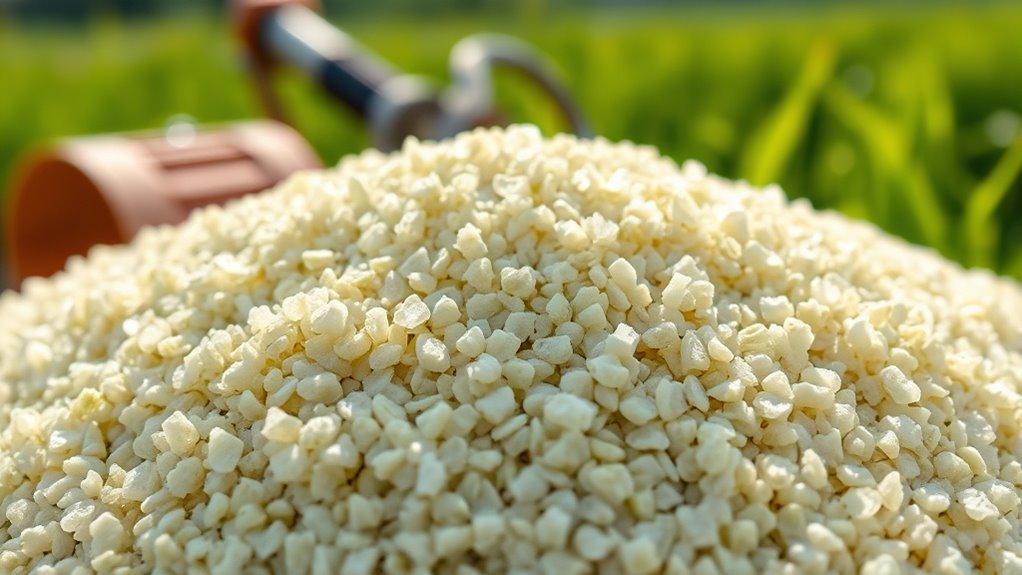

Calcium ammonium nitrate (CAN) is a versatile fertilizer that supplies both calcium and nitrogen, promoting strong cell walls and vigorous growth. It dissolves quickly, allowing you to apply it through broadcasting, drip irrigation, or fertigation systems. Its quick absorption boosts plants during key stages like flowering, while reducing nitrogen losses. Using CAN properly can enhance yields and plant health. To discover more tips on ideal application and benefits, continue exploring how you can maximize its potential.

Prime made for students and young adults
- Fast, free delivery for dorm and study essentials
- Prime Video and Amazon Music included
- Member-only deals
Key Takeaways
- Combines calcium and nitrogen for strong plant growth, cell wall strength, and metabolic functions.
- Offers rapid nutrient absorption, supporting quick growth and immediate needs during flowering and fruiting stages.
- Suitable for various application methods like broadcasting and fertigation, enhancing operational flexibility.
- Reduces nitrogen losses through ammonium form, decreasing environmental impact and improving efficiency.
- Proper storage and application techniques maximize fertilizer effectiveness and crop yields.
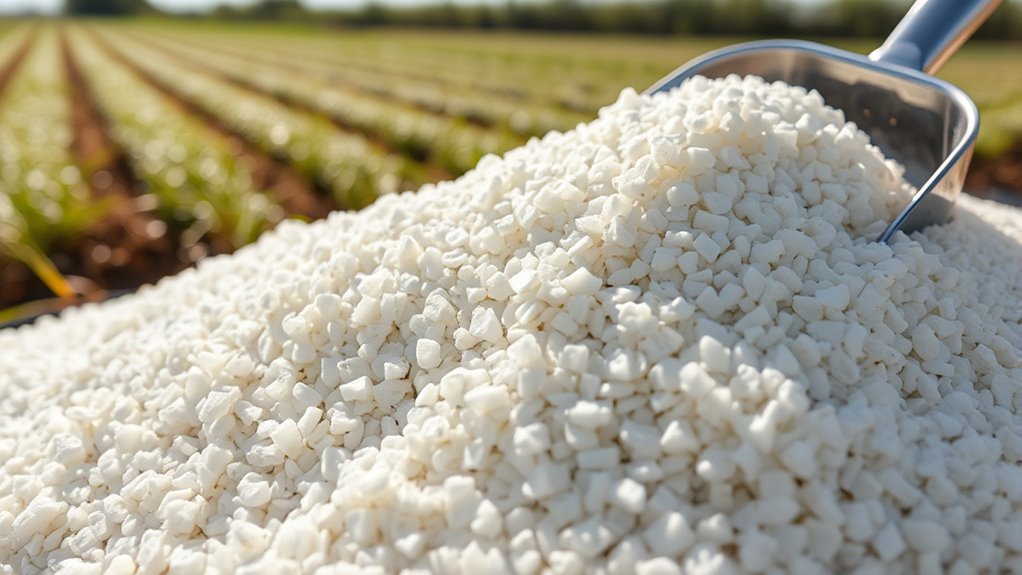
Have you ever wondered how farmers boost crop yields efficiently? One key method involves using effective fertilizers that supply essential nutrients in a readily available form. Calcium Ammonium Nitrate (CAN) is one such fertilizer that farmers turn to for its quick action and balanced nutrient profile. CAN combines calcium carbonate and ammonium nitrate, making it a versatile choice for a variety of crops. Its composition ensures that plants receive both calcium, crucial for cell wall strength and metabolic functions, and nitrogen, which promotes lush, vigorous growth. Because of its high solubility, CAN dissolves easily in water, allowing for efficient application through broadcasting, drip irrigation, or fertigation systems. This flexibility makes it suitable for small-scale farms and large commercial operations alike. Additionally, the Lifestyle benefits of remote work can provide farmers with more time to focus on crop management and fertilizer application. Moreover, understanding industry trends can help farmers optimize their use of fertilizers like CAN for better results. Staying informed about technological advancements in fertilizer application can further improve efficiency and environmental safety. Using CAN offers several advantages. Firstly, it guarantees rapid assimilation of nutrients by plants, leading to faster growth and improved yields. Unlike other fertilizers that might release nutrients slowly, CAN provides an immediate nutrient boost, especially important during critical growth stages such as flowering and fruiting. Its nitrogen content is mainly in the ammonium form, which reduces nitrogen losses through volatilization, ensuring that more of the nutrient remains available to plants. The calcium component helps prevent physiological disorders like blossom-end rot in tomatoes or fruit cracking, common issues when calcium deficiency occurs. Additionally, CAN’s balanced nutrient profile supports overall plant health, strengthening stems and improving resistance to pests and diseases. Proper application techniques ensure maximum efficiency and minimize environmental impact. Furthermore, understanding refrigeration cycle principles can assist in developing more energy-efficient fertilization equipment and practices. Also, the production process of CAN influences its purity and effectiveness, making quality control essential for optimal results. Proper storage conditions, such as keeping it in a dry, cool place, can help maintain its effectiveness over time.
Frequently Asked Questions
Is CAN Suitable for Organic Farming Practices?
You might wonder if CAN fits organic farming. Since CAN contains synthetic chemicals, it generally isn’t approved for organic practices. Organic standards prioritize natural fertilizers like compost, manure, or organic-approved amendments. Using CAN could disqualify your produce from organic certification. For sustainable growth, focus on organic fertilizers that enrich soil naturally. Always check your local organic certification guidelines to guarantee your fertilization methods meet their strict criteria.
How Does CAN Compare to Other Nitrogen Fertilizers in Environmental Impact?
When comparing nitrogen fertilizers’ environmental impact, you’ll find that CAN offers quick nutrient release, which can lead to runoff if not managed properly. Unlike slow-release options, it may contribute more to water pollution and greenhouse gases. However, it’s more efficient for immediate plant needs. To minimize environmental harm, you should apply CAN carefully, considering timing and dosage, and explore integrated nutrient management strategies for sustainable farming.
What Safety Precautions Should Be Taken When Handling CAN?
Handling CAN is like walking a tightrope—you need to stay alert. Always wear protective gear, including gloves, goggles, and masks, to prevent skin and eye contact. Store it in a cool, dry place away from heat sources and incompatible materials. Keep it out of reach of children and animals. Follow manufacturer instructions carefully, and guarantee proper ventilation during handling. Safety first keeps your operation steady and secure.
CAN CAN Be Used Effectively in Hydroponic Systems?
You can use calcium ammonium nitrate effectively in hydroponic systems, but you need to be careful. It provides essential nutrients like calcium and nitrogen, promoting healthy plant growth. To do this safely, you should properly dissolve the fertilizer in water, monitor the pH levels, and avoid overfeeding. Ensuring correct dosage and handling with protective gear helps prevent issues like nutrient imbalances or chemical burns, optimizing your hydroponic yields.
How Does Soil Ph Influence Can’s Nutrient Availability?
Imagine you’re adjusting your garden’s soil pH and notice your plants struggle to absorb nutrients. Soil pH greatly influences CAN’s nutrient availability; if the pH is too acidic or alkaline, elements like calcium and nitrogen become less accessible. For example, in highly acidic soil, calcium can precipitate, reducing uptake. Maintaining ideal pH ensures CAN’s nutrients stay soluble, helping your plants thrive.
Conclusion
Imagine your crops standing tall and vibrant, their roots soaking up the rich embrace of Calcium Ammonium Nitrate. With every application, you’re feeding the soil’s heartbeat, fueling growth like a gentle rain nurturing a blooming garden. CAN’s balanced nutrients act as a steady hand guiding your plants toward a lush, fruitful harvest. Trust this fertilizer to be the steady sunlight that helps your fields flourish, transforming potential into a vibrant, thriving landscape.
Fall Picks
fall essentials
As an affiliate, we earn on qualifying purchases.