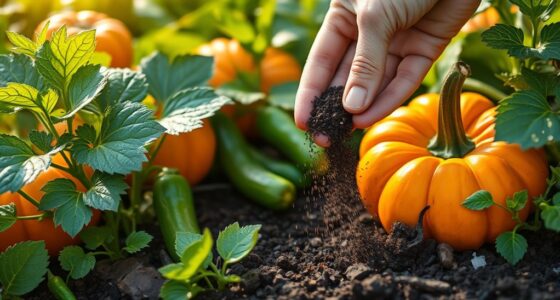
Organic fertilizers like compost, manure, and plant-based sources give your soil natural nutrients that boost health and fertility. They improve soil structure, encourage beneficial microbes, and support sustainable nutrient cycling. Compost adds organic matter, manure supplies essential minerals, and plant-based options like cover crops help fix nitrogen. Using these methods reduces environmental impact and can lead to healthier plants. Keep exploring to discover how combining these options can maximize your garden’s growth and sustainability.

Prime made for students and young adults
- Fast, free delivery for dorm and study essentials
- Prime Video and Amazon Music included
- Member-only deals
Key Takeaways
- Organic fertilizers like compost, manure, and plant-based sources enrich soil with natural nutrients and improve soil structure.
- Compost adds organic matter, fostering beneficial microbial activity and long-term soil health.
- Manure supplies essential nutrients such as nitrogen, phosphorus, and potassium while enhancing soil fertility.
- Plant-based sources, including cover crops and green manures, fix nitrogen and increase organic matter in soil.
- Proper application of organic fertilizers promotes nutrient cycling, reduces leaching, and supports sustainable gardening practices.
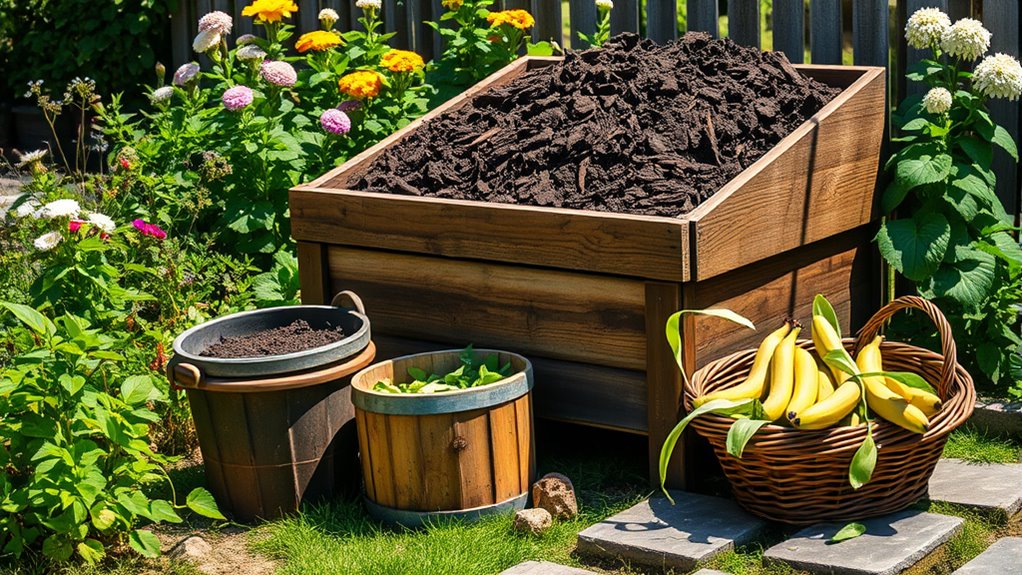
Organic fertilizers are becoming increasingly popular among gardeners and farmers because they provide natural nutrients that improve soil health without harmful chemicals. When you choose organic options like compost, manure, or plant-based sources, you’re actively participating in soil enrichment. This process enhances the soil’s structure, promotes beneficial microbial activity, and sustains long-term fertility. Unlike synthetic fertilizers, organic options release nutrients slowly, aligning perfectly with the natural nutrient cycling that occurs within healthy soils. This means your plants receive a steady supply of essential elements, reducing the risk of nutrient runoff and environmental pollution.
Using organic fertilizers encourages nutrient cycling, where nutrients are continuously recycled within the soil ecosystem. As microbes break down compost and manure, they release minerals that plants can absorb, creating a dynamic, self-sustaining system. This ongoing process helps maintain the balance of nutrients, preventing deficiencies and excesses that can harm plant growth. When you incorporate compost, for instance, you’re adding a diverse array of organic matter that feeds soil organisms and boosts nutrient availability. Similarly, manure supplies essential nutrients like nitrogen, phosphorus, and potassium, while also improving soil structure and water retention.
Organic fertilizers support nutrient recycling, enhancing soil health and plant growth naturally.
Plant-based sources, such as cover crops and green manures, further support nutrient cycling by fixing atmospheric nitrogen and adding organic matter. These options are especially beneficial because they can be tailored to your specific gardening needs, whether you’re aiming to boost nitrogen levels or improve soil aeration. As you work with organic fertilizers, you’re not just feeding your plants; you’re fostering a resilient soil environment that naturally sustains plant health over time. The slow-release nature of these fertilizers means you’re less likely to experience nutrient leaching, ensuring that nutrients stay in the soil longer and are available when your plants need them most.
Additionally, incorporating best practices for application can maximize the benefits of organic fertilizers and promote sustainable gardening. In the end, organic fertilizers help create a thriving soil ecosystem that promotes healthy plant growth, resilience, and productivity. They support soil enrichment by building up organic matter and microbial populations, which are essential for nutrient cycling. This cycle ensures nutrients are efficiently recycled, making your garden more sustainable and less dependent on external inputs. By choosing compost, manure, or plant-based sources, you’re contributing to a healthier environment while cultivating vigorous, productive plants. With consistent use, you’ll notice improved soil texture, increased biodiversity, and stronger plants that can better withstand pests and diseases. Organic fertilizers truly empower you to grow with nature, harnessing the natural processes that keep your soil fertile and productive year after year.
As an affiliate, we earn on qualifying purchases.
Frequently Asked Questions
How Do Organic Fertilizers Compare to Synthetic Options in Nutrient Content?
You’ll find organic fertilizers generally have lower nutrient density compared to synthetics, but they excel in providing a diverse range of minerals that support healthy plant growth. Unlike synthetic options, which often focus on specific nutrients, organic sources offer mineral diversity that improves soil health over time. This natural balance guarantees your plants get a steady supply of nutrients, promoting sustainable growth without the risk of over-fertilization.
What Are the Environmental Impacts of Using Organic Fertilizers?
Did you know that organic fertilizers can improve soil health by increasing microbial activity? When you use them, you’re less likely to harm biodiversity impacts compared to synthetic options. Organic fertilizers promote sustainable farming, reduce runoff pollution, and enhance soil structure. By choosing organic, you support ecosystems, protect water quality, and foster resilient soils that sustain your crops and the environment for the long term.
How Long Does It Take for Organic Fertilizers to Show Results?
You can expect to see plant response within a few weeks of applying organic fertilizers, but timing expectations vary depending on factors like soil condition and plant type. Usually, you’ll notice improved growth and health as nutrients gradually release. Organic fertilizers work slowly, so patience is crucial. Consistent application and proper timing help make sure your plants get the nutrients they need for steady, healthy development.
Are There Any Risks of Over-Fertilizing With Organic Sources?
Yes, over-fertilizing with organic sources can pose risks like nutrient imbalance and affecting soil pH. Too much manure or compost can lead to excess nitrogen or other nutrients, harming plant roots. You should monitor soil pH regularly and apply organic fertilizers carefully, following recommended amounts. This helps prevent nutrient runoff, maintains healthy soil, and guarantees your plants get balanced nutrition without the risks of over-fertilization.
Can Organic Fertilizers Be Used on All Types of Plants?
Yes, you can use organic fertilizers on most plants, but it’s crucial to take plant compatibility into account when planning fertilizer application. Some plants may prefer specific nutrient levels, so adjust your approach accordingly. Always follow recommended application rates, and observe your plants for signs of over-fertilizing. Proper knowledge of plant needs ensures healthy growth and prevents nutrient imbalances, making your organic fertilizer use more effective and safe for all your garden plants.
As an affiliate, we earn on qualifying purchases.
Conclusion
Now that you know about compost, manure, and plant-based sources, you’re equipped to make eco-friendly choices for your garden. Organic fertilizers improve soil health and boost plant growth naturally. Isn’t it worth investing in sustainable practices that benefit both your plants and the environment? By choosing organic options, you support a healthier planet while nurturing your garden sustainably. So, why not start incorporating these natural fertilizers today and see the difference yourself?
As an affiliate, we earn on qualifying purchases.
As an affiliate, we earn on qualifying purchases.
Fall Picks
fall essentials
As an affiliate, we earn on qualifying purchases.