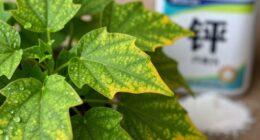
Foliar feeding offers you a quick way to supply essential nutrients directly to your plants, helping them recover from deficiencies and grow healthier. Applying early in the morning or late afternoon guarantees better absorption, especially during cooler weather. Use diluted, water-soluble fertilizers and avoid overdoing it to prevent leaf burn. Well-timed foliar feeds can boost plant resilience against pests and stress. Want to maximize benefits? Keep exploring these best practices to give your plants a healthy boost.
Key Takeaways
- Foliar feeding provides quick nutrient absorption, boosting plant health and growth during deficiencies or stress.
- Apply diluted, water-soluble fertilizers early morning or late afternoon for optimal absorption.
- Use calm weather conditions to prevent spray drift and wash-off, ensuring effective coverage.
- Combine foliar feeding with soil nutrition to promote balanced, overall plant development.
- Avoid over-application to prevent leaf burn and nutrient imbalances, and tailor formulations for best results.
Have you ever wondered if there’s a faster way to give your plants essential nutrients? Foliar feeding offers a quick solution, allowing you to deliver vital nutrients directly through the leaves. Unlike soil nutrition, which can take time for roots to absorb, foliar feeding provides immediate benefits, especially when your plants show signs of deficiencies. It’s an effective way to boost growth, improve color, and address specific nutrient gaps rapidly. Plus, it can complement your overall soil management practices, ensuring your plants get a balanced diet. When used properly, foliar feeding can also help with pest management by strengthening your plants’ natural defenses. Healthier, more resilient plants are less appealing to pests and diseases, reducing the need for chemical interventions.
Foliar feeding provides quick, direct nutrients to plants, boosting growth and defenses against pests and deficiencies.
To get the most out of foliar feeding, you need to consider the timing and formulation carefully. Typically, early morning or late afternoon is ideal, as the plants can absorb nutrients more efficiently without the stress of intense sunlight. Using a diluted, water-soluble fertilizer ensures your plants don’t get overwhelmed and that the nutrients are evenly distributed on the leaf surfaces. Applying during calm weather also prevents the solution from being blown away or washed off by rain. Remember, foliar feeding isn’t a replacement for good soil nutrition; it’s a supplementary tool that’s especially useful during periods of rapid growth or stress. It’s also a handy method if you notice nutrient deficiencies that aren’t improving with soil amendments alone.
Another key aspect is understanding how foliar feeding can influence pest management. Strong, healthy foliage can act as a barrier against pests, and certain nutrients like magnesium and iron help bolster your plants’ immune response. When pests do appear, a well-fed plant is better equipped to fend off infestations. Additionally, some growers use specific foliar sprays with natural pest deterrents, combining nutrition and pest control in one application. This approach minimizes chemical use and promotes a more organic gardening style. Just be cautious not to overdo it; excessive foliar feeding can lead to leaf burn or nutrient imbalances, which may weaken your plants instead of helping them.
Incorporating foliar feeding into your gardening routine can enhance plant health, support pest management, and improve overall growth. By understanding the right timing, formulation, and how it interacts with soil nutrition, you’ll maximize its benefits. It’s a versatile, efficient technique that, when used thoughtfully, can make a noticeable difference in your garden’s vitality. Remember, the goal is to keep your plants healthy and resilient, and foliar feeding is a valuable tool to add to your gardening arsenal.

Jack's Classic All Purpose 20-20-20 Water Soluble Plant Food (1.5lbs)
20-20-20 Analysis – Great for providing fast green-up and rapid leaf expansion in all indoor and outdoor plants.
As an affiliate, we earn on qualifying purchases.
As an affiliate, we earn on qualifying purchases.
Frequently Asked Questions
Can Foliar Feeding Replace Soil Fertilization Entirely?
No, foliar feeding can’t replace soil fertilization entirely because plants still depend on soil for long-term nutrients and stability. While foliar feeding provides quick nutrient absorption, it’s a supplement, not a substitute, for maintaining healthy soil. Relying solely on foliar feeding may lead to soil dependency issues and nutrient imbalances. For maximum growth, combine both methods to guarantee your plants get consistent, balanced nutrition.
How Often Should Foliar Feeding Be Applied for Optimal Results?
Imagine gentle morning dew settling on leaves as you spray, nourishing your plants. You should apply foliar feeding every 7 to 14 days, adjusting for growth stages and environmental factors. Pay attention to timing considerations, like early morning or late afternoon, to maximize absorption. Use a balanced nutrient concentration—too strong can burn leaves, too weak won’t do much. Consistent, mindful applications keep your plants thriving and vibrant.
Are There Specific Plants That Benefit Most From Foliar Feeding?
You’ll find tropical plants and ornamental foliage benefit the most from foliar feeding, especially those that grow quickly or need a nutrient boost. These plants absorb nutrients directly through their leaves, making them ideal candidates. During active growing seasons, apply a diluted fertilizer spray every couple of weeks to maximize benefits. Keep in mind, healthy, vibrant foliage responds best, so adjust your routine based on plant needs.
What Are Common Mistakes to Avoid When Foliar Feeding?
Did you know over fertilization risks can harm plants? When foliar feeding, avoid common mistakes like over-application, which can cause leaf burn. Always consider timing and weather; applying during hot, sunny days can scorch leaves, while watering beforehand helps absorption. Don’t rush or ignore instructions—proper timing and moderate doses guarantee your plants benefit without stress or damage, promoting healthy growth.
Does Foliar Feeding Work Effectively in All Weather Conditions?
Foliar feeding doesn’t work equally well in all weather conditions. You’ll see better results when weather variations are mild—warm, humid days with low wind are ideal. During extreme heat, cold, or windy conditions, plants may struggle to absorb nutrients effectively. These weather variations can affect plant resilience, so it’s best to apply foliar feeds when conditions are calm and moderate, ensuring your plants absorb nutrients efficiently and stay healthy.

Foliar Fertilizer Spray, Gentle Foliar Feeding Spray for Healthy Leaves and Plants. Liquid Fertilizer by TPS Plant Foods, 16oz (475ml)
Versatile spray for vegetables, ornamentals, houseplants, and more
As an affiliate, we earn on qualifying purchases.
As an affiliate, we earn on qualifying purchases.
Conclusion
Think of foliar feeding as giving your plants a nutritious boost like a quick shot of energy. When you follow best practices, you’re nourishing your garden’s roots from above, ensuring vibrant growth and resilience. Just like tending to a delicate flame, handle your sprays with care and precision. With the right approach, you’ll see your plants flourish, turning your garden into a thriving masterpiece. So, embrace foliar feeding and watch your green oasis come alive!

Organic Broad Spectrum Plant Spray – Liquid Plant Food in a Spray Bottle (Foliar Fertilizer) | Use on All Outdoor Plants Including: Vegetables, Herbs & Flowers | No Mixing Required (32oz)
ORGANIC FOLIAR SPRAY ACCELERATES PLANT GROWTH – Immediately delivers nitrogen, calcium, kelp, aloe vera, organic rooting hormone, and…
As an affiliate, we earn on qualifying purchases.
As an affiliate, we earn on qualifying purchases.

Succulent Fertilizer Spray, Gentle Foliar Feeding for Healthy Leaves and Plants, Liquid Fertilizer by TPS Plant Foods, 16oz (475ml)
Formulated for all succulents, cacti, and drought-tolerant plants
As an affiliate, we earn on qualifying purchases.
As an affiliate, we earn on qualifying purchases.