

Sustainable fertilization combines organic and synthetic methods to improve soil health, boost crop yields, and protect the environment. You can start by adding organic materials like compost and manure to build organic matter and microbial activity. Then, supplement with targeted synthetic fertilizers to meet specific crop nutrient needs, especially during peak growth periods. This balanced approach maximizes productivity while maintaining long-term soil vitality—continue to explore how integrating both can lead to more sustainable farming practices.
Key Takeaways
- Combining organic and synthetic fertilizers optimizes nutrient availability and enhances soil health sustainably.
- Organic amendments improve soil structure and microbial activity, supporting effective synthetic fertilizer use.
- Integrated strategies reduce chemical dependency, promoting environmentally friendly and resilient farming systems.
- Proper timing and management of both inputs ensure crops receive necessary nutrients during critical growth stages.
- Soil testing guides balanced fertilization, maximizing yields while maintaining long-term soil sustainability.

Have you ever wondered how modern agriculture can feed a growing population without harming the environment? The key lies in sustainable fertilization practices that balance the use of organic and synthetic inputs. When you focus on enhancing soil health, you’re not just improving the land’s ability to support crops; you’re also boosting crop yield and ensuring long-term productivity. Healthy soil acts as a living ecosystem, rich with microbes, organic matter, and nutrients that naturally support plant growth. By maintaining this balance, you help create a resilient foundation for your crops, reducing dependency on chemical fertilizers that can degrade soil over time.
Incorporating organic fertilizers like compost, manure, and cover crops is essential for nurturing soil health. These organic amendments supply essential nutrients gradually, fostering microbial activity and organic matter buildup. When you add organic matter to your soil, you improve its structure, aeration, and water retention, which directly impacts crop yield. Better soil conditions mean roots can access nutrients more efficiently, leading to healthier plants and higher productivity. Organic fertilizers also minimize the risk of nutrient runoff, protecting nearby water sources and reducing environmental impact.
However, relying solely on organic methods may not always meet the nutrient demands of high-yield crops. That’s where synthetic fertilizers come into play. When used judiciously, they provide precise nutrient management, supplementing organic inputs to meet specific crop needs. This approach ensures your plants get the right amount of nitrogen, phosphorus, and potassium at critical growth stages, maximizing yield potential. The key is to apply synthetic fertilizers thoughtfully, based on soil tests and crop requirements, to avoid over-fertilization that can harm soil health and lead to pollution.
Combining organic and synthetic fertilization strategies allows you to optimize crop production while maintaining a sustainable approach. For example, starting with organic amendments to build soil organic matter and microbial activity, then supplementing with targeted synthetic fertilizers during peak growth periods, can enhance overall crop yield. This integrated method reduces the reliance on chemical inputs alone and promotes a more balanced, eco-friendly farming system. Additionally, understanding the importance of soil health as highlighted in recent agricultural research can further guide effective fertilization practices.
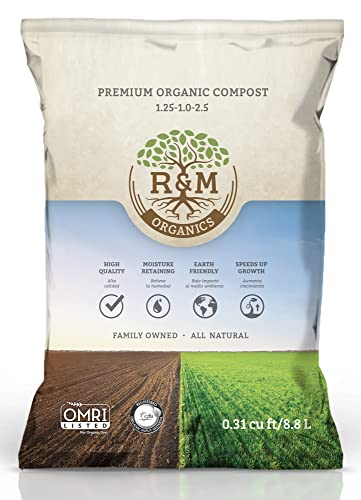
R&M Organics Premium Organic Compost
All-purpose fertilizer. Derived from 100% dairy cow manure, our compost helps improve your soil by bringing needed nutrients…
As an affiliate, we earn on qualifying purchases.
As an affiliate, we earn on qualifying purchases.
Frequently Asked Questions
How Do Organic and Synthetic Fertilizers Interact in Soil Chemistry?
You’ll see that organic and synthetic fertilizers interact in soil chemistry through soil pH modification and nutrient synergy. Organic fertilizers gradually release nutrients, improving soil structure and balancing pH levels, while synthetic options provide immediate nutrient availability. Together, they enhance nutrient uptake, optimize plant growth, and maintain soil health. This combination creates a balanced environment, ensuring your soil remains fertile and resilient over time.
What Are the Long-Term Environmental Impacts of Combined Fertilization Practices?
By using combined fertilization practices, you may reduce pollution risks and nutrient runoff compared to synthetic-only methods, but long-term impacts still exist. Over time, excess nutrients can leach into water sources, causing algal blooms and harming ecosystems. Organic components help improve soil health, yet if not managed properly, synthetic fertilizers can accumulate and degrade the environment. Careful, balanced application is essential for minimizing these long-term environmental effects.
How Can Farmers Optimize Fertilizer Use for Different Crop Types?
Imagine you’re growing tomatoes and corn; you can optimize fertilizer use by adjusting nutrient timing based on each crop’s needs. Incorporate crop rotation to prevent nutrient depletion and tailor fertilizer application schedules accordingly. For example, apply nitrogen just before flowering in tomatoes, but earlier for corn. This approach guarantees efficient nutrient uptake, reduces waste, and boosts yields across diverse crops.
What Are Cost-Effective Strategies for Small-Scale Sustainable Fertilization?
To save money on sustainable fertilization, you should focus on composting techniques and fertilizer recycling. Compost your organic waste to create rich, affordable soil amendments, reducing reliance on synthetic fertilizers. Recycle nutrients from crop residues and manure to replenish soil naturally. These strategies lower costs, improve soil health, and promote sustainability, making them ideal for small-scale farmers seeking cost-effective, eco-friendly solutions that boost yields without overspending.
How Does Fertilization Influence Soil Microbial Diversity and Health?
Fertilization considerably impacts soil microbial diversity and health, with diverse microbes boosting nutrient cycling. Did you know that adding organic matter can increase microbial resilience by 30%? Your fertilization choices influence soil enzyme activity, which drives essential processes like decomposition and nutrient release. By combining organic and synthetic methods, you support a thriving microbial community, enhancing soil health and long-term productivity. This balanced approach fosters resilient, active soil ecosystems.
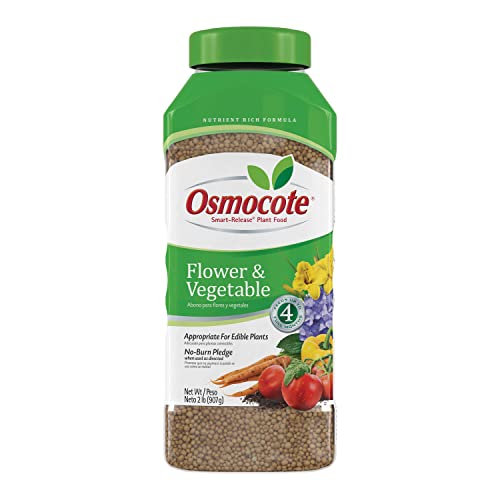
Osmocote Smart-Release Plant Food Flower & Vegetable, 2 lb.
Promotes vigorous top-growth, strong root development
As an affiliate, we earn on qualifying purchases.
As an affiliate, we earn on qualifying purchases.
Conclusion
By blending organic and synthetic fertilizers, you create a balanced diet for your crops—like a symphony where every instrument plays in harmony. This approach guarantees healthy growth, boosts soil health, and protects the environment for future harvests. Think of sustainable fertilization as planting seeds of resilience today, so your fields flourish tomorrow. Embrace this synergy, and watch your efforts bloom into a thriving, sustainable farm that sustains both land and legacy.
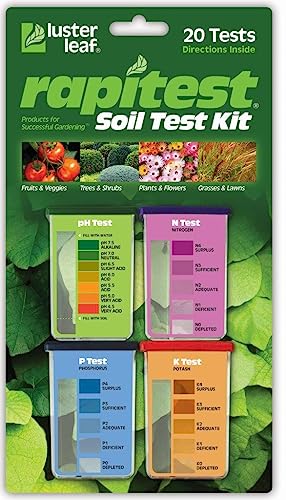
Rapitest Soil Test Kit for Gardens, Vegetables, Flowers and Lawns. USA designed and assembled soil tester completely, quickly and accurately measures/analyzes soil pH acidity and garden nutrients.
Quick, at home results for Soil pH, Nitrogen, Phosphorous and Potash Innovative and inexpensive soil test kit features…
As an affiliate, we earn on qualifying purchases.
As an affiliate, we earn on qualifying purchases.

True Organic Chicken Manure – Natural Fertilizer for Soil Health and Plant Growth – Improves Aeration, Drainage, and Moisture Retention
Enhances Soil Health: True Organic Chicken Manure improves soil structure, aeration, and drainage, while helping the soil retain…
As an affiliate, we earn on qualifying purchases.
As an affiliate, we earn on qualifying purchases.