Copper sulfate serves as a versatile solution you can use as a fungicide to control plant diseases, an algicide to treat algae growth in water, and a mineral supplement for plants lacking copper. It’s important to follow proper application methods, like mixing correct doses and targeting specific areas, to avoid environmental harm. By understanding safe usage, you can protect your plants and water sources effectively—more tips on proper application and precautions await as you continue.
Key Takeaways
- Copper sulfate functions as an effective fungicide to control fungal diseases in plants.
- It acts as an algicide, preventing and removing algae growth in water bodies and ponds.
- Copper sulfate serves as a mineral supplement, providing essential copper nutrients for plant health.
- Proper application techniques and timing are crucial to minimize environmental impact and prevent toxicity.
- Safety precautions, including protective gear and adherence to instructions, ensure responsible use of copper sulfate.

Copper sulfate is a versatile compound used widely in agriculture and gardening to control mold, algae, and fungal infections. When applying copper sulfate, you need to pay close attention to application techniques to guarantee effectiveness and safety. Typically, it is dissolved in water to create a solution that can be sprayed onto affected plants, soil, or water surfaces. Proper mixing is essential—using the right concentration prevents damage to plants and minimizes waste. You might also consider the timing of application; applying during cooler parts of the day, such as early morning or late afternoon, helps reduce evaporation and runoff. Using appropriate equipment, like a spray bottle or a garden sprayer, ensures even coverage. Be sure to wear protective gear, including gloves and eye protection, to avoid contact with the solution. When treating larger areas, follow the manufacturer’s instructions precisely to avoid overuse, which can harm your plants and the surrounding environment.
Understanding the environmental impact of copper sulfate is just as important as knowing how to apply it correctly. Copper is a heavy metal that can accumulate in soil and water, potentially affecting non-target organisms like beneficial insects, aquatic life, and soil microbes. Excessive or improper use can lead to soil toxicity, impairing plant growth over time. To minimize these risks, you should limit application frequency and avoid applying copper sulfate near water bodies or during heavy rain, which can cause runoff. This runoff may carry copper into nearby streams, lakes, or groundwater, disrupting ecosystems and harming aquatic life. Using the lowest effective dose and targeting specific problem areas helps reduce environmental contamination. Additionally, it’s wise to monitor soil and water quality if you plan to use copper sulfate repeatedly in your garden or farm. By doing so, you can prevent long-term buildup of copper in the environment, which could otherwise lead to reduced soil fertility and harm to wildlife. Incorporating preemptive measures such as soil testing and targeted application can further safeguard the ecosystem from potential copper toxicity.

Bonide Captain Jack Copper Fungicide 16 oz Concentrated Plant Disease Control Solution for Organic Gardening
Control fungus and disease in your garden with Captain Jack’s Liquid Copper Fungicide Concentrate!
As an affiliate, we earn on qualifying purchases.
As an affiliate, we earn on qualifying purchases.
Frequently Asked Questions
Is Copper Sulfate Safe for Organic Gardening Practices?
Copper sulfate isn’t considered fully organic-certified, as it’s a chemical treatment. You might want to look for natural alternatives, like neem oil or biological controls, which are more in line with organic gardening practices. Using copper sulfate could risk your organic certification, so always check local regulations. While effective, it’s best to reserve it for serious issues and explore gentler, certified organic options first for a healthier garden.
What Are the Environmental Impacts of Copper Sulfate Runoff?
You should know that copper sulfate runoff can cause environmental contamination, impacting nearby soil and water sources. It poses risks to aquatic toxicity, harming fish and other aquatic life when it enters water bodies. When you use copper sulfate, guarantee proper application and containment to minimize runoff. Otherwise, it can lead to serious environmental issues, damaging ecosystems and reducing biodiversity. Always follow safety guidelines to protect the environment.
How Does Copper Sulfate Interact With Other Garden Chemicals?
Copper sulfate can interact with other garden chemicals, so it’s vital to evaluate chemical compatibility. It may react negatively with acids, organic matter, or certain pesticides, reducing effectiveness or causing unwanted byproducts. Always follow application precautions, such as diluting properly and avoiding mixing with incompatible substances, to prevent chemical reactions. You should test small amounts first and consult product labels to ensure safe and effective use alongside other garden chemicals.
Can Copper Sulfate Be Used Indoors Safely?
You can use copper sulfate indoors, but only with caution. Did you know that improper use can cause chemical reactions that release toxic fumes? For indoor safety, always dilute it properly, apply in well-ventilated areas, and avoid mixing with other chemicals. This minimizes risks and guarantees safe handling. If used correctly, copper sulfate can help control algae and fungi indoors without posing significant health hazards.
What Are the Signs of Copper Sulfate Overdose in Plants?
If your plants show signs of toxicity after copper sulfate application, you might notice leaf yellowing, browning, or wilting, indicating overdose symptoms. These are clear signs of plant toxicity caused by copper sulfate overdose. To prevent damage, always follow application instructions carefully. If you observe these symptoms, reduce or stop using copper sulfate to avoid harm and help your plants recover.

Crystal Plex – Lake and Pond Algaecide Treatment – Liquid Copper Algaecide Kills and Prevents Various Types of Algae (Planktonic, Filamentous, Chara) – 1 Gallon Treats up to 1 Acre
Controls many types of algae such as filamentous, chara, planktonic and swimmers itch for a beautiful and safe…
As an affiliate, we earn on qualifying purchases.
As an affiliate, we earn on qualifying purchases.
Conclusion
Now that you know how copper sulfate can serve as a fungicide, algicide, and mineral supplement, you’re better equipped to make informed decisions about its uses. Just remember, don’t put all your eggs in one basket—use it wisely and follow safety guidelines. When handled properly, copper sulfate can be a versatile tool in your gardening or farming arsenal. Stay vigilant, and you’ll reap the benefits without running into unnecessary trouble.
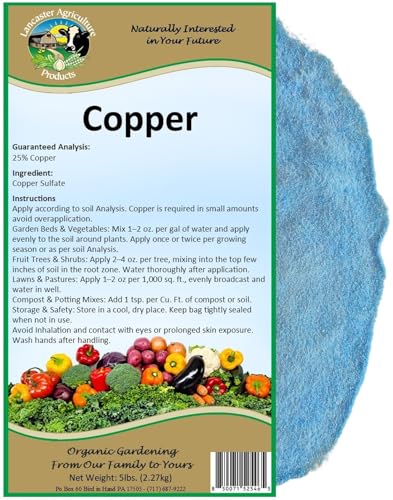
Copper 5 Pounds Micronutrient Supplement for Plants – Natural Soil Amendment for Healthy Growth, Enzyme Support & Vibrant Color – Lancaster Agricultural Products
For Use On: Vegetable gardens, field crops, fruit trees, lawns, and pastures
As an affiliate, we earn on qualifying purchases.
As an affiliate, we earn on qualifying purchases.

Bonide Captain Jack's Copper Fungicide, 16 oz Ready-to-Spray Disease Control for Organic Gardening, Controls Mildew & Blight
Control fungus and disease in your garden with Captain Jack’s ready-to-spray Liquid Copper Fungicide!
As an affiliate, we earn on qualifying purchases.
As an affiliate, we earn on qualifying purchases.