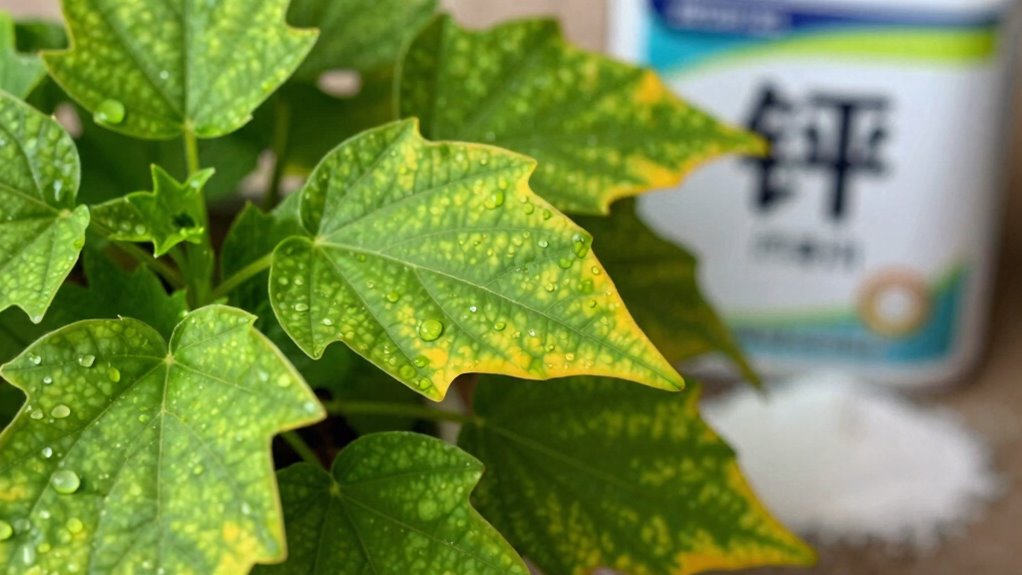
Excess potassium can harm your plant’s nutrient balance by raising soil pH and making nutrients less available. It causes nutrient antagonism, blocking essential elements like magnesium and calcium, leading to deficiencies. You might notice symptoms like leaf scorch or yellowing, which can be mistaken for other issues. If you want to understand how to prevent and fix these problems, there’s more to uncover about managing your soil’s health effectively.
Key Takeaways
- Excess potassium raises soil pH, making nutrients less available to plants.
- High potassium causes nutrient antagonism, inhibiting absorption of magnesium and calcium.
- Imbalance leads to deficiencies, affecting plant growth, photosynthesis, and overall health.
- Symptoms like leaf scorch and browning indicate disrupted nutrient uptake.
- Proper soil testing and balanced fertilization prevent nutrient imbalances caused by excess potassium.

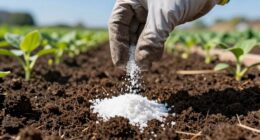
Achieving the right balance of nutrients is vital for healthy plant growth, as plants rely on a precise mix of elements to develop strong roots, vibrant leaves, and abundant flowers or fruits. When you add nutrients like potassium to your soil, understanding how it interacts with factors like soil pH and root absorption becomes critical. Excessive potassium can disrupt this delicate balance, potentially harming your plants rather than helping them thrive.
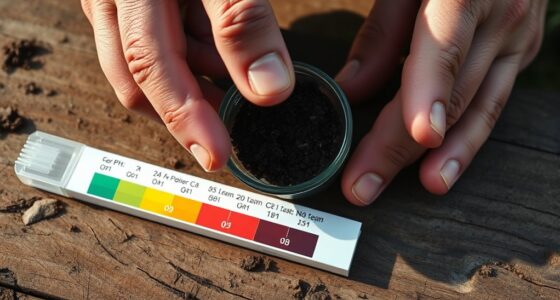
Soil pH plays a significant role in nutrient availability. If your soil becomes too alkaline due to high potassium levels, it can alter the pH balance, making certain nutrients less accessible to your plants. This imbalance hampers root absorption, as roots struggle to take in the nutrients they need for growth. When potassium levels are excessive, it can interfere with the uptake of other essential nutrients like magnesium and calcium, which are fundamental for healthy cell function and overall plant vitality. This competition for absorption means your plants might show signs of deficiencies, even if those nutrients are present in the soil.
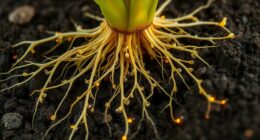
Root absorption is a highly sensitive process. When there’s too much potassium, it can create a condition called nutrient antagonism, where certain elements block the uptake of others. For example, high potassium levels may inhibit magnesium absorption, leading to deficiencies that manifest as yellowing leaves or poor growth. This imbalance affects the plant’s ability to carry out photosynthesis effectively, reducing energy production and weakening overall health. You might notice your plants aren’t growing as vigorously or flowering as abundantly, indicating a disrupted nutrient balance.
Additionally, persistent excess potassium can lead to toxicity symptoms, such as leaf scorch or browning around the edges, especially in plants sensitive to nutrient imbalances. These symptoms are often mistaken for other issues like drought stress or disease, but they stem from the disrupted nutrient uptake caused by imbalanced soil chemistry. To avoid this, regularly test your soil’s pH and nutrient levels, and adjust your fertilization practices accordingly. It’s necessary to maintain a balanced nutrient profile to guarantee your plants can absorb what they need without interference. Proper soil testing can help identify imbalances early and prevent potential harm. Moreover, understanding soil chemistry can help you optimize fertilization strategies for healthy plant growth.

SONKIR Soil pH Meter, MS02 3-in-1 Soil Moisture/Light/pH Tester Gardening Tool Kits for Plant Care, Great for Garden, Lawn, Farm, Indoor & Outdoor Use (Green)
Kindly NOTE: This soil tester can not be applied to test pH value of any other liquid. If…
As an affiliate, we earn on qualifying purchases.
As an affiliate, we earn on qualifying purchases.
Frequently Asked Questions
How Does Excess Potassium Affect Soil pH Levels?
Excess potassium can raise soil pH levels, making the soil more alkaline. When potassium leaches beyond plant roots, it reduces soil buffering capacity, causing pH fluctuations. This imbalance can hinder nutrient uptake, especially micronutrients. To maintain stable pH, you might need to add acidifying amendments or monitor potassium levels regularly. Managing potassium carefully helps keep soil pH ideal for healthy plant growth and nutrient availability.
Can High Potassium Levels Inhibit the Uptake of Other Nutrients?
High potassium levels can act like a gatekeeper, blocking other nutrients from entering your plant’s roots. This phenomenon, known as potassium antagonism, can inhibit the uptake of essential nutrients like magnesium and calcium. Nutrient antagonism occurs because excessive potassium competes with these elements for absorption sites, leading to deficiencies. To keep your plants thriving, balance potassium levels carefully, avoiding a nutrient traffic jam that hampers overall health.
What Are the Signs of Potassium Toxicity in Plants?
Potassium toxicity in plants often shows as leaf scorch, yellowing edges, or browning tips, signaling stress. You might notice a decline in overall vigor and poor growth. Excess potassium can also cause a deficiency in other nutrients, leading to additional plant stress. Keep an eye on leaf coloration and plant health, and adjust your fertilization to prevent toxicity and maintain a healthy nutrient balance.
How Do Different Soil Types Respond to Excess Potassium?
Different soil types respond uniquely to excess potassium because of their soil mineralogy. For example, clay soils can bind potassium more tightly, reducing its availability to plants, while sandy soils may allow rapid leaching, causing deficiencies elsewhere. Your crop-specific responses also matter; some plants tolerate higher potassium levels, while others show toxicity symptoms sooner. Monitoring soil tests and understanding your soil’s mineralogy helps you manage potassium levels effectively for ideal plant health.
Is Potassium Overapplication More Common in Certain Crops?
You might find potassium overapplication more common in high-value crops like tomatoes and strawberries, where farmers often prioritize maximizing yield. Studies show about 30% of fertilizer use in these crops exceeds ideal levels, risking nutrient imbalances. To prevent crop-specific deficiencies, you should tailor your fertilizer application strategies carefully, ensuring you don’t supply excess potassium that could hinder uptake of other essential nutrients and disrupt overall plant health.
MySoil Soil Test Kit, Unlock Your Lawn & Garden Potential, Complete & Accurate Nutrient and pH Analysis with Recommendations Tailored to Your Soil and Plant Needs
KNOW BEFORE YOU GROW | Grow the healthiest, sustainable lawn and garden with the most accurate and easy…
As an affiliate, we earn on qualifying purchases.
As an affiliate, we earn on qualifying purchases.
Conclusion
Excess potassium can indeed disrupt your plant’s nutrient balance, leading to deficiencies in other crucial nutrients like magnesium and calcium. Did you know that over 90% of crop failures are linked to nutrient imbalances? By carefully managing potassium levels, you guarantee your plants stay healthy and productive. Keep an eye on your soil’s nutrient ratios, and you’ll enjoy bountiful, vibrant plants. Proper potassium management isn’t just beneficial—it’s indispensable for thriving, balanced growth.

Down To Earth All Natural Fertilizers Organic Vegetable Garden – Plant Food for Vegetables, Herbs, Greens and Raised Beds 4-4-4, 5 lb
Safe for the Environment: Non-toxic and safe for beneficial insects, pollinators, pets, and the surrounding ecosystem, promoting a…
As an affiliate, we earn on qualifying purchases.
As an affiliate, we earn on qualifying purchases.

Humboldts Secret CalMag & Iron | Calcium, Magnesium & Chelated Iron Nutrient Fertilizer | Hydroponic Supplies for Vegetative & Flowering Growth in Soil, Coco, Hydroponics or RO Water | 8 Ounce
Packaging Update: You may receive previous or updated packaging during our transition. Same formula, same performance. Strength for…
As an affiliate, we earn on qualifying purchases.
As an affiliate, we earn on qualifying purchases.