
Searching for the best chemical engineering design handbook in 2026? The top pick, Perry’s Chemical Engineers’ Handbook, 9th Edition, stands out for its comprehensive coverage and authoritative content. Chemical Process and Design Handbook offers practical insights for process engineers, while Chemical Engineering Design: Principles, Practice and Economics excels at balancing theory and real-world application. Readers face tradeoffs between depth, usability, and price—more detailed books often come with a higher learning curve, while concise options may lack comprehensive coverage. Keep reading for a detailed breakdown to find the best fit for your needs.

Prime made for students and young adults
- Fast, free delivery for dorm and study essentials
- Prime Video and Amazon Music included
- Member-only deals
Key Takeaways
- The top-ranking handbooks differ mainly in scope: some focus on practical process design, others emphasize theoretical principles.
- Perry’s Handbook remains the most authoritative, but more affordable or specialized options can be better for specific use cases.
- Ease of use varies; some books are dense with data, while others offer clearer explanations suitable for learners.
- Price often correlates with depth; investing in a premium handbook yields more comprehensive content but may be overwhelming for beginners.
- Consistency in updates and edition currency is critical for staying aligned with current standards and practices.
| Chemical Process and Design Handbook | 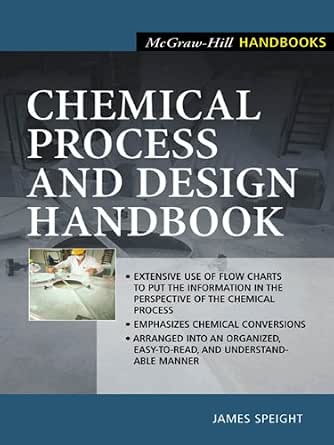 | Best for Comprehensive Process Design Reference | Coverage: Chemical process design principles | Intended Audience: Students and professionals | Industry Insights: Included | VIEW ON AMAZON | See Our Full Breakdown |
| Chemical Engineering Design: Principles, Practice and Economics of Plant and Process Design |  | Best for Practical Plant and Process Economics | Focus: Plant and process economics | Audience: Engineers and project managers | Practicality: High | VIEW ON AMAZON | See Our Full Breakdown |
| Chemical Engineering Design: SI Edition (Chemical Engineering Series) |  | Best for SI Unit Clarity and Educational Use | Units: SI units | Audience: Students and educators | Coverage: Design principles | VIEW ON AMAZON | See Our Full Breakdown |
| Handbook of Chemical Engineering Design: Process Calculations, Equipment Sizing, and Plant Development for Practical Industrial Applications |  | Best for Practical Industrial Design Guidance | Focus: Process calculations and equipment sizing | Audience: Experienced engineers and plant designers | Application: Industrial plant development | VIEW ON AMAZON | See Our Full Breakdown |
| Perry’s Chemical Engineers’ Handbook, 9th Edition |  | Best for Industry Standard and Extensive Data | Data: Technical data and industry standards | Audience: Experienced engineers and students | Scope: Broad reference covering all aspects of chemical engineering | VIEW ON AMAZON | See Our Full Breakdown |
| Chemical Engineering Design Handbook |  | Best for Practical Application and Fundamentals | Coverage: Design principles, fundamentals, practical applications | Intended Audience: Students and professionals | Format: Print, no digital version | VIEW ON AMAZON | See Our Full Breakdown |
| Perry’s Chemical Engineer’s Handbook |  | Best for Extensive Technical Reference | Content: Fundamental principles, industry standards, process data | Format: Hardcover, no digital version | Audience: Practicing engineers and industry veterans | VIEW ON AMAZON | See Our Full Breakdown |
| Chemical Engineering Design (Chemical Engineering Technical Series Book 6) |  | Best for In-Depth Design Principles | Content Focus: Design principles, practices, methodologies | Series: Chemical Engineering Technical Series | Format: Print | VIEW ON AMAZON | See Our Full Breakdown |
| Perry’s Chemical Engineers’ Handbook (Ebook PDF) |  | Best for Portability and Digital Access | Format: Ebook PDF | Content: Technical principles, industry standards, process data | Portability: High | VIEW ON AMAZON | See Our Full Breakdown |
| chemical engineering design handbook | Audience | Coverage |
|---|---|---|
| Chemical Process and Design Ha | — | Chemical process design principles |
| Chemical Engineering Design: P | Engineers and project managers | Design principles, economics |
| Chemical Engineering Design: S | Students and educators | Design principles |
| Handbook of Chemical Engineeri | Experienced engineers and plant designers | — |
| Perry’s Chemical Engineers’ Ha | Experienced engineers and students | — |
| Chemical Engineering Design Ha | — | Design principles, fundamentals, practical applications |
| Perry’s Chemical Engineer’s Ha | Practicing engineers and industry veterans | Technical details, standards, calculations |
| Chemical Engineering Design | — | — |
| Perry’s Chemical Engineers’ Ha | Students and professionals | — |
More Details on Our Top Picks
Chemical Process and Design Handbook
This handbook stands out for its extensive coverage of chemical process design principles, making it a valuable resource for both students and seasoned professionals. Compared to Perry’s Chemical Engineers’ Handbook, it dives deeper into process methodologies but may fall short on the latest industry updates, which can be a limitation for current practitioners. Its practical insights make complex concepts accessible, though some sections lack detailed examples that could enhance understanding for less experienced users. It’s ideal for those seeking a broad overview of process design rather than cutting-edge specifics.
Pros:- Extensive coverage of chemical process design principles
- Useful for both students and professionals
- Includes practical industry insights
Cons:- Lacks detailed examples in some sections
- May be outdated for the latest industry standards
Best for: Chemical engineers and students who need a broad foundational reference with practical industry insights.
Not ideal for: Professionals requiring the most current standards or detailed case studies, as some sections may feel outdated.
- Coverage:Chemical process design principles
- Intended Audience:Students and professionals
- Industry Insights:Included
- Updates:May be outdated
- Examples:Limited in some sections
Our verdict“This handbook is well-suited for those needing a broad, foundational resource in chemical process design, but may require supplementing with more current references for latest standards.”
Chemical Engineering Design: Principles, Practice and Economics of Plant and Process Design
This book excels at integrating fundamental principles with practical approaches and economic considerations, making it ideal for those involved in process development with an eye on profitability. Unlike the Chemical Process and Design Handbook, which emphasizes process principles, this volume offers direct insights into plant economics and operational strategies, though it can be overly technical for casual or entry-level readers. Its comprehensive coverage of plant design and economics makes it a go-to for professionals focused on optimizing process performance and financial viability, yet it might overwhelm beginners due to its detailed technical depth.
Pros:- Comprehensive coverage of plant and process design
- Practical insights into plant economics
- Suitable for professionals involved in process development
Cons:- No specific product features or specifications listed
- May be too technical for casual readers
Best for: Process engineers and project managers focused on plant economics and operational efficiency.
Not ideal for: Casual readers or students seeking basic theoretical knowledge, as the content is highly technical and detail-oriented.
- Focus:Plant and process economics
- Audience:Engineers and project managers
- Practicality:High
- Technical Depth:Advanced
- Coverage:Design principles, economics
Our verdict“This book is a strong choice for professionals prioritizing economic and practical aspects of process design over broad theoretical coverage.”
Chemical Engineering Design: SI Edition (Chemical Engineering Series)
This edition provides a clear, SI units-based approach to chemical engineering design, making it especially accessible for students and international audiences. While it offers comprehensive coverage similar to the Chemical Process and Design Handbook, it lacks detailed specifications and customer reviews, which can leave potential buyers uncertain about its practical depth. Its focus on SI units ensures clarity in calculations, but the absence of real-world examples or updates limits its appeal for seasoned professionals seeking the latest industry practices. It’s best suited for students or those preferring a unit-system-focused textbook.
Pros:- Comprehensive coverage of design principles
- Includes SI units for clarity
- Suitable for students and educational purposes
Cons:- No detailed specifications provided
- No customer reviews available
- Lacks real-world examples and recent updates
Best for: Students and educators seeking a clear SI units-based guide for learning or teaching chemical engineering design.
Not ideal for: Practicing engineers looking for up-to-date industry standards or practical case studies, due to lack of detailed examples and reviews.
- Units:SI units
- Audience:Students and educators
- Coverage:Design principles
- Real-world Examples:None
- Industry Updates:Not specified
Our verdict“This SI edition is ideal for students and educators prioritizing unit clarity, but less suited for current industry practitioners needing applied insights.”
Handbook of Chemical Engineering Design: Process Calculations, Equipment Sizing, and Plant Development for Practical Industrial Applications
This handbook emphasizes practical process calculations, equipment sizing, and plant development tailored to real-world industrial applications. Compared to the Chemical Engineering Design: Principles, Practice and Economics of Plant and Process Design, which blends theoretical and economic considerations, this volume leans more toward hands-on technical guidance. Its comprehensive approach makes it a valuable resource for engineers involved in plant design, but its lack of specific features or recent updates may make it less appealing for those seeking the latest technological advances or beginner-friendly content. It’s perfect for seasoned professionals needing a technical reference grounded in industrial realities.
Pros:- Practical guidance for industrial applications
- Coverage of process calculations and equipment sizing
- Useful for plant development projects
Cons:- Lacks specific product features or updates
- May be too technical for beginners
Best for: Experienced chemical engineers and plant designers needing practical calculation and equipment sizing guidance.
Not ideal for: Beginners or those seeking the latest innovations, as it may be too technical and lacks recent updates.
- Focus:Process calculations and equipment sizing
- Audience:Experienced engineers and plant designers
- Application:Industrial plant development
- Updates:Not specified
- Ease of Use:Technical
Our verdict“This handbook is best suited for experienced professionals seeking practical, application-oriented design guidance in industry settings.”
Perry’s Chemical Engineers’ Handbook, 9th Edition
Widely regarded as the definitive reference, Perry’s Chemical Engineers’ Handbook offers an unparalleled breadth of technical data, practical insights, and industry standards. Compared to the Chemical Engineering Design: Principles, Practice and Economics of Plant and Process Design, which focuses more on design methodologies, Perry’s provides exhaustive data and industry insights, making it invaluable for troubleshooting, detailed calculations, and comprehensive reference. However, its broad scope and extensive data can be overwhelming for casual readers or those new to the field, and its price point may be prohibitive for occasional use. It’s a must-have for seasoned professionals needing a reliable, all-in-one reference.
Pros:- Extensive technical data and industry insights
- Widely regarded as industry standard
- Suitable for professionals and advanced students
Cons:- No detailed specifications or features provided
- Potentially expensive for casual or infrequent use
Best for: Experienced chemical engineers and industry professionals who require detailed data, standards, and comprehensive coverage.
Not ideal for: Beginners or casual readers who may find the volume and cost excessive for basic learning or infrequent reference.
- Data:Technical data and industry standards
- Audience:Experienced engineers and students
- Scope:Broad reference covering all aspects of chemical engineering
- Price:High
- Use Case:Troubleshooting, detailed calculations
Our verdict“This edition is perfect for professionals needing a comprehensive, authoritative reference, though it may be overkill for casual or introductory use.”
Chemical Engineering Design Handbook
This handbook offers a broad and detailed overview of chemical engineering design principles, making it a solid resource for both students and seasoned professionals. Compared with Perry’s Chemical Engineer’s Handbook, it emphasizes practical design insights over extensive technical data, which benefits users seeking applied guidance rather than raw industry standards. However, the lack of detailed specifications and absence of user reviews limit its utility as a definitive reference. This pick stands out for those who need an accessible, design-focused overview without the bulk of traditional handbooks.
Pros:- Comprehensive coverage of chemical engineering design principles
- Accessible language suitable for learners and practitioners
- Practical insights that aid real-world application
Cons:- No detailed technical specifications provided
- Lacks user reviews or ratings for validation
Best for: Chemical engineering students and early-career engineers needing foundational design guidance
Not ideal for: Experienced professionals requiring in-depth technical specifications or industry standards
- Coverage:Design principles, fundamentals, practical applications
- Intended Audience:Students and professionals
- Format:Print, no digital version
- Content Depth:Moderate to comprehensive
- Ease of Use:User-friendly for beginners
- Additional Features:None specified
Our verdict“This handbook is ideal for those seeking a practical, design-oriented overview rather than exhaustive technical data.”
Perry’s Chemical Engineer’s Handbook
As a cornerstone reference for chemical engineers, Perry’s Chemical Engineer’s Handbook excels in delivering exhaustive technical data and industry standards. Unlike the more application-focused Chemical Engineering Design Handbook, Perry’s provides detailed process equations, equipment sizing, and process design data, making it indispensable for detailed engineering tasks. Its main drawbacks are its weight and lack of a digital version, which hampers portability. This handbook is best suited for seasoned engineers who need a comprehensive, authoritative resource on industry practices and detailed calculations.
Pros:- Extensive technical content and process data
- Industry-recognized standard for chemical engineering
- Useful for both troubleshooting and detailed process design
Cons:- No digital or portable version available
- Heavy and cumbersome to carry around
Best for: Experienced chemical engineers and technical managers requiring a wide-ranging reference resource
Not ideal for: Students or newcomers who find the physical heft and dense content overwhelming
- Content:Fundamental principles, industry standards, process data
- Format:Hardcover, no digital version
- Audience:Practicing engineers and industry veterans
- Size:Heavy and bulky
- Coverage:Technical details, standards, calculations
- Use Cases:Design, troubleshooting, process optimization
Our verdict“This book is perfect for professionals needing detailed, authoritative technical data, despite its portability limitations.”
Chemical Engineering Design (Chemical Engineering Technical Series Book 6)
This book provides a thorough exploration of chemical engineering design principles, making it a valuable resource for students and practitioners aiming for a deeper understanding. Compared with Perry’s Handbook, which covers a broad spectrum of technical data, this volume zeroes in on design practices and methodologies, offering detailed insights into process development. Its main limitation is the lack of additional features or reviews to validate its practical utility. It suits those who want an academically rigorous, yet practical guide to chemical process design within a respected technical series.
Pros:- Deep coverage of design principles
- Part of a reputable technical series
- Suitable for advanced students and professionals
Cons:- No extra content or supplementary features
- No available reviews or ratings
Best for: Graduate students and professionals seeking detailed design methodologies within a technical series
Not ideal for: Entry-level learners or those seeking quick reference data without in-depth explanation
- Content Focus:Design principles, practices, methodologies
- Series:Chemical Engineering Technical Series
- Format:Print
- Intended Audience:Graduate students, professionals
- Depth:In-depth, technical
- Additional Content:None specified
Our verdict“This detailed guide is best for those who want an in-depth understanding of chemical design principles within an academic framework.”
Perry’s Chemical Engineers’ Handbook (Ebook PDF)
Offering the same extensive technical content as the traditional Perry’s Handbook, this ebook format enhances portability and ease of access for busy professionals and students on the go. While it lacks a physical copy, its digital format makes it convenient for quick searches and referencing. Compared with the print edition, it sacrifices the tactile experience but gains in mobility. This option makes the most sense for those who prefer digital tools and need instant access to detailed process data and standards without carrying heavy books.
Pros:- Extensive technical content in digital format
- Highly portable and convenient for on-the-go reference
- Suitable for both students and professionals
Cons:- No physical copy available
- Requires electronic device to access
Best for: Students and professionals who prioritize portability and quick digital access
Not ideal for: Users who prefer physical books or have limited access to electronic devices
- Format:Ebook PDF
- Content:Technical principles, industry standards, process data
- Portability:High
- Audience:Students and professionals
- Accessibility:Requires electronic device
- Size:Digital file, portable
Our verdict“This digital edition serves those needing comprehensive technical data in a portable, electronic format for quick referencing.”

How We Picked
The handbooks were evaluated based on their comprehensiveness, clarity, usability, and relevance to practicing chemical engineers. We prioritized editions that balance detailed technical content with accessible explanations, ensuring they serve both students and professionals. Additionally, we considered the credibility of the publisher, the scope of topics covered, and user feedback to rank these options effectively. Our goal was to identify resources that provide real value in design, calculations, and industrial applications, helping readers make well-informed decisions based on their experience level and specific needs.| chemical engineering design handbook | Coverage | Audience |
|---|---|---|
| Chemical Process and Design Ha | Chemical process design principles | — |
| Chemical Engineering Design: P | Design principles, economics | Engineers and project managers |
| Chemical Engineering Design: S | Design principles | Students and educators |
| Handbook of Chemical Engineeri | — | Experienced engineers and plant designers |
| Perry’s Chemical Engineers’ Ha | — | Experienced engineers and students |
| Chemical Engineering Design Ha | Design principles, fundamentals, practical applications | — |
| Perry’s Chemical Engineer’s Ha | Technical details, standards, calculations | Practicing engineers and industry veterans |
| Chemical Engineering Design | — | — |
| Perry’s Chemical Engineers’ Ha | — | Students and professionals |
Factors to Consider When Choosing Chemical Engineering Design Handbook
Choosing the right chemical engineering design handbook depends on your experience, specific needs, and budget. Consider how much depth you require, whether you prefer a practical guide or a theoretical reference, and how the book’s format suits your workflow. The following factors will help you make an informed choice, avoiding common pitfalls like overspending on overly comprehensive books or settling for less detailed resources that may omit critical information.Scope and Depth
Assess whether you need a broad overview or an in-depth technical manual. Handbooks vary from comprehensive references like Perry’s to more focused guides on process calculations. Overly detailed books might be overwhelming for newcomers, while less detailed options may lack the necessary technical rigor for complex projects. Match the scope to your current expertise and project demands to avoid either information overload or gaps in knowledge.
Usability and Format
Consider how the handbook is organized—whether it offers clear indexing, digital access, or visual aids like charts and diagrams. Books with intuitive layouts save time during calculations and quick referencing. Beware of dense, poorly structured texts that hinder quick information retrieval, especially during time-sensitive scenarios in industrial environments.
Relevance to Your Practice
Some handbooks focus more on theoretical principles, while others emphasize practical, industry-specific applications. Identify whether your work requires detailed process design, equipment sizing, or economic analysis. Choosing a book aligned with your core tasks ensures that the content supports your daily responsibilities without unnecessary extras that could clutter your learning or work process.
Edition and Currency
Ensure the handbook is up-to-date with the latest standards, codes, and industry practices. Outdated editions risk missing recent technological advances or regulatory changes, which can impact safety and efficiency. Always check the publication date and consider newer editions for the most current information, especially in fast-evolving fields like chemical engineering.
Price and Value
Prices range significantly based on depth and publisher. While investing in a premium resource like Perry’s offers extensive coverage, more affordable options might suffice for students or occasional users. Balance your budget against the importance of comprehensive, reliable content—sometimes, paying more upfront yields better long-term value and fewer gaps in your knowledge base.
Frequently Asked Questions
Is Perry’s Chemical Engineers’ Handbook suitable for beginners?
Yes, Perry’s Handbook is often considered the gold standard for its comprehensive coverage and authoritative content. However, due to its technical depth, it’s best suited for users with at least some foundational knowledge in chemical engineering. Beginners may find it overwhelming initially, but it remains a valuable reference as their experience grows, providing detailed explanations and calculations essential for advanced practice.
Should I buy a printed or digital version of a chemical engineering handbook?
Both formats have their advantages: printed copies are easier to navigate physically, especially if you prefer highlighting or annotating, while digital versions offer quick search capabilities and portability. Consider your workflow—if you frequently need quick access during design work, a digital edition might save time. Conversely, for long reading sessions or detailed study, a printed book can be more comfortable. Some publishers offer bundled options for both formats, providing flexibility.
How important is the edition date when choosing a chemical engineering handbook?
The edition date is critical because newer editions incorporate recent technological advances, standards, and regulatory updates. Using an outdated handbook can lead to outdated practices, potentially compromising safety and efficiency. Always verify that the edition you choose is current, ideally within the last few years, to ensure access to the latest industry practices and data.
Can I rely solely on a handbook for my chemical engineering projects?
While handbooks provide essential reference material, they should complement other learning resources and practical experience. Complex projects often require detailed software, case studies, and ongoing professional development. Relying solely on a handbook might limit your understanding of context-specific issues, so integrate it with practical tools, industry guidelines, and peer consultation for best results.
What should I consider if I need a handbook for specific industrial applications?
Look for handbooks that include dedicated sections on the industry sector relevant to your work, such as petrochemical, pharmaceuticals, or environmental engineering. Practical case studies, equipment sizing, and process optimization tailored to these sectors enhance relevance. Avoid overly generic books that lack specific examples or data for your application, ensuring your reference material supports your unique operational challenges.
Conclusion
For general practice and comprehensive reference, Perry’s Chemical Engineers’ Handbook, 9th Edition remains the best overall choice, especially for seasoned professionals. If you seek value and a solid foundation, consider Chemical Process and Design Handbook, which balances coverage with affordability. Beginners or those needing a straightforward guide may prefer more focused or less dense options, while industry veterans requiring the latest standards should prioritize recent editions of Perry’s or specialized titles. Ultimately, your choice depends on your experience level, specific needs, and budget, but having a reliable handbook can significantly streamline your work and learning in chemical engineering.
Fall Picks
fall essentials
As an affiliate, we earn on qualifying purchases.