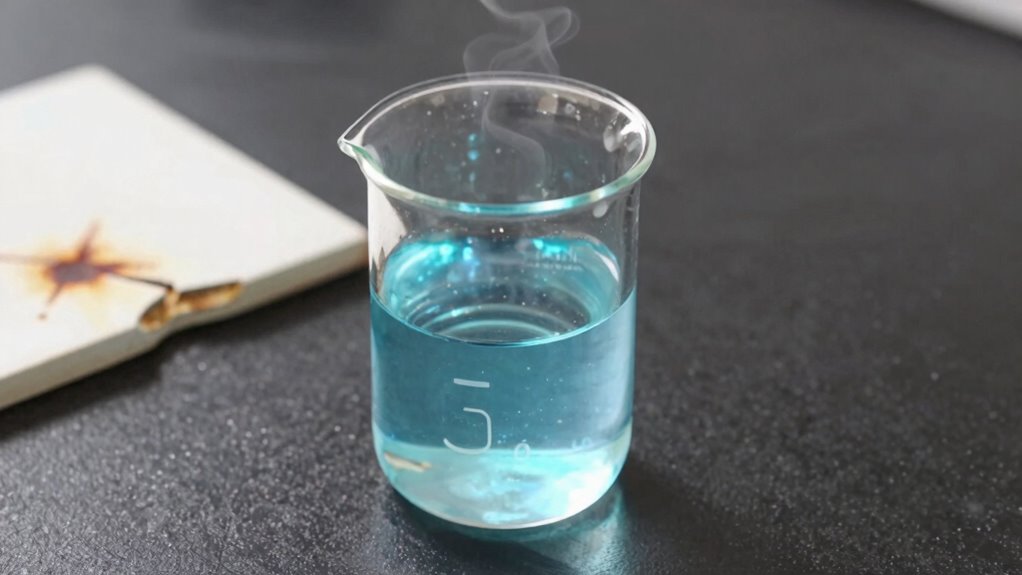

An oxidizing agent is a substance that accepts electrons during a chemical reaction, which causes other molecules to become oxidized. It acts as an electron sink, driving redox reactions forward by gaining electrons and becoming reduced. Your understanding of oxidizing agents can help you see how they’re used in processes like bleaching, disinfection, and energy production. If you explore further, you’ll learn even more about their roles and importance in chemistry and industry.
Key Takeaways
- An oxidizing agent accepts electrons during a chemical reaction, causing other substances to be oxidized.
- It is also called an oxidant and facilitates redox reactions by driving electron transfer.
- Oxidizing agents become reduced by gaining electrons from other molecules.
- Their strength depends on their ability to attract and accept electrons, influenced by molecular structure.
- Common examples include potassium permanganate and hydrogen peroxide, used in bleaching and disinfection.
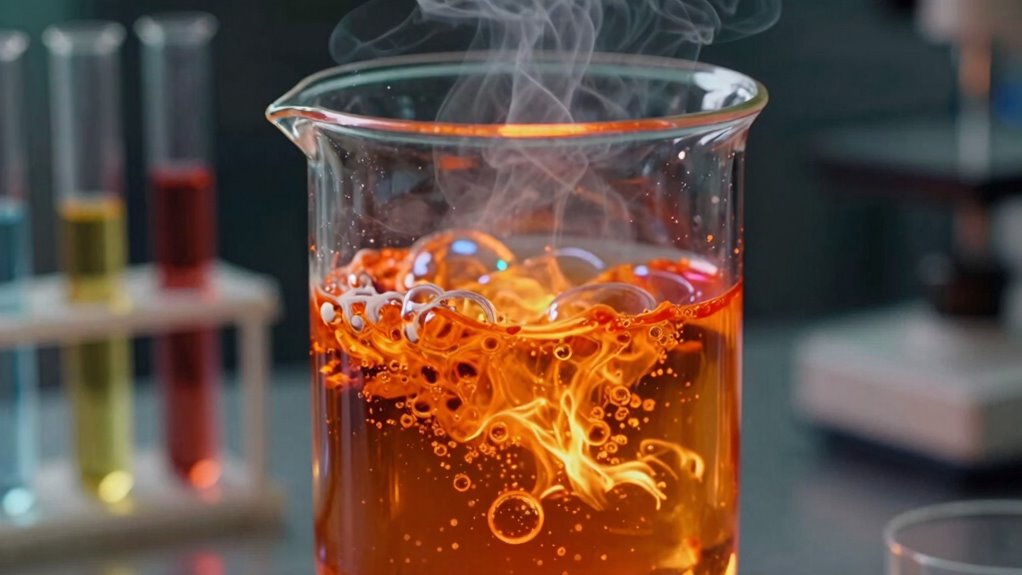
Have you ever wondered what makes certain substances capable of causing oxidation in other materials? The answer lies in their ability to act as oxidizing agents. An oxidizing agent, also called an oxidant, is a substance that accepts electrons from another substance during a chemical reaction. When you see a reaction where one substance loses electrons, and another gains them, you’re witnessing a redox reaction. It’s this process of electron transfer that defines how oxidizing agents work. Essentially, they pull electrons away from other molecules, causing those molecules to become oxidized.
Oxidizing agents accept electrons, driving redox reactions and causing other substances to become oxidized.
In a redox reaction, the oxidizing agent plays a crucial role because it facilitates the transfer of electrons. Think of it as the electron sink in the reaction. When the oxidizing agent accepts electrons, it becomes reduced, meaning it gains electrons itself. Meanwhile, the substance donating electrons becomes oxidized. This electron transfer is what drives many chemical processes, from rusting iron to cellular respiration. The strength of an oxidizing agent depends on its ability to attract and accept electrons. Some substances, like potassium permanganate or hydrogen peroxide, are particularly effective oxidizing agents because they readily accept electrons and cause oxidation in other materials.
You can think of oxidizing agents as the “electron thieves” in a chemical reaction. They don’t just steal electrons; they set off a chain of events that alter the chemical composition of the substances involved. Because they accept electrons, oxidizing agents often produce reactive and sometimes hazardous byproducts. Understanding the nature of electron transfer also involves considering the oxidation-reduction potential, which helps chemists predict the likelihood of a substance acting as an oxidant. This potential is influenced by factors such as molecular structure and environmental conditions, which determine how readily an oxidizing agent can accept electrons. For example, the presence of certain functional groups in molecules can significantly enhance their electron affinity, making them more potent oxidizing agents. That’s why they’re used carefully in laboratory and industrial settings. Their strong electron-accepting power makes them essential in processes like bleaching, disinfection, and even in energy-producing reactions within your cells.
Understanding what makes a substance an oxidizing agent helps you grasp many everyday and industrial phenomena. It’s not just about substances reacting—it’s about the electron transfer that underpins these reactions. Recognizing the role of oxidizing agents clarifies how oxidation works, which is central to chemistry’s broader themes. Whether you’re observing rust formation or the breakdown of organic compounds, the concept of electron transfer and redox reactions ties it all together. So, next time you see a chemical reaction happening, remember that the oxidizing agent is the key player accepting electrons and driving the process forward.

Potassium Permanganet Regent Grade Powder/Free Flowing/ 2 oz/from Dawn SCI®
- Potent Oxidizing Agent: Purifies water and facilitates reactions
- Free-Flowing Formula: Easy to measure and dispense
- Versatile Usage: Suitable for water treatment and labs
As an affiliate, we earn on qualifying purchases.
As an affiliate, we earn on qualifying purchases.
Frequently Asked Questions
How Do Oxidizing Agents Differ From Reducing Agents?
You’ll notice that oxidizing agents differ from reducing agents through electron transfer and chemical reactivity. Oxidizing agents accept electrons, causing other substances to oxidize, while reducing agents donate electrons, leading to reduction. This electron transfer drives chemical reactions, making oxidizing agents highly reactive by seeking electrons, whereas reducing agents are reactive because they tend to lose electrons. Understanding this difference helps you predict how substances interact in chemical processes.
Can Common Household Items Act as Oxidizing Agents?
Common household items can act as oxidizing agents in everyday oxidation processes. For example, bleach contains sodium hypochlorite, which readily accepts electrons and promotes oxidation reactions. Hydrogen peroxide, another household chemical, is also a powerful oxidizer used for cleaning and disinfecting. These substances are involved in household chemical reactions, showcasing how everyday items can serve as oxidizing agents, turning simple tasks into chemistry lessons without even realizing it.
What Role Do Oxidizing Agents Play in Combustion?
In combustion, oxidizing agents like oxygen supply are essential because they facilitate fuel ignition by accepting electrons during the process. They enable the chemical reaction that releases energy, producing heat and light. Without an adequate oxygen supply, your fuel won’t ignite properly or sustain combustion. So, oxidizing agents drive the process, making sure your fire burns efficiently, whether in a stove, engine, or wildfire.
Are Oxidizing Agents Safe to Handle Without Precautions?
Handling oxidizing agents is like walking on thin ice—you need to be cautious. They aren’t safe to handle without safety precautions and handling guidelines because they can cause fires or explosions if mishandled. Always wear protective gear, store them properly, and keep them away from combustible materials. Ignoring safety precautions can lead to serious accidents, so following handling guidelines is essential for your safety and the safety of others.
How Are Oxidizing Agents Used in Medical Sterilization?
You use oxidizing agents in medical sterilization because they effectively kill bacteria, viruses, and fungi, ensuring sterilization effectiveness. They work by breaking down cellular components of microorganisms. When handling them, you need to take into account chemical compatibility, as some materials may corrode or degrade. Proper use and safety precautions maximize sterilization efficiency while protecting equipment and staff from potential hazards.
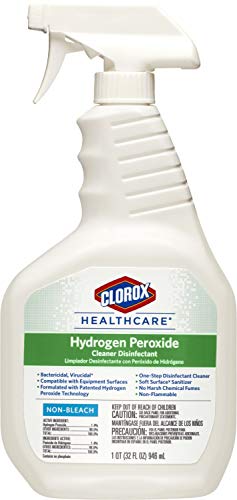
Clorox Healthcare Hydrogen Peroxide Cleaner Disinfectant, Bleach Free, 32 Fluid Ounces (Package May Vary)
- Surface-Compatible Disinfectant: Low residue, fast-acting hydrogen peroxide formula
- Kills 40 Microorganisms Quickly: Effective in 1 minute or less
- Kills C. auris and Pathogens: Includes VRE, CRE, MRSA, and more
As an affiliate, we earn on qualifying purchases.
As an affiliate, we earn on qualifying purchases.
Conclusion
Imagine yourself holding a glowing, fiery torch that enthusiastically accepts the spark of fire. That’s what an oxidizing agent does—it’s the spark that ignites a chemical reaction by pulling electrons away from other substances. With every touch, it transforms and energizes, creating a dazzling display of change. Understanding this powerful agent helps you see the hidden sparks behind everyday reactions—like a behind-the-scenes magician, turning simple ingredients into something extraordinary.
As an affiliate, we earn on qualifying purchases.

DIYChemicals Sodium Hypochlorite 12.5% – Bleaching Agent in Detergents, Textile, Paper and Pulp Industries – Made in USA (1 Quart)
- Application in Industries: Used in detergents, textile, paper, pulp
- Main Ingredient: Primary component in laundry bleach
- Wastewater Treatment: Used in wastewater treatment processes
As an affiliate, we earn on qualifying purchases.
As an affiliate, we earn on qualifying purchases.