
Choosing between a bench and portable pH meter depends on your needs. Bench models offer higher precision and stability, perfect for laboratory settings, but they’re more expensive and stay in one place. Portable meters are smaller, rugged, and easier to use outdoors, though they may sacrifice a bit of accuracy. If you want to understand which option suits your environment and budget best, keep exploring the details below.

Prime made for students and young adults
- Fast, free delivery for dorm and study essentials
- Prime Video and Amazon Music included
- Member-only deals
Key Takeaways
- Bench pH meters offer higher accuracy and stability, ideal for controlled laboratory environments.
- Portable pH meters are designed for ease of transport and field use, prioritizing ruggedness and convenience.
- Calibration is often automatic in bench models, while portable meters typically require manual calibration.
- Bench meters involve higher initial costs but provide long-term precision; portable models are more affordable upfront.
- Both types deliver reliable readings when properly calibrated, but bench meters excel in precision for critical measurements.
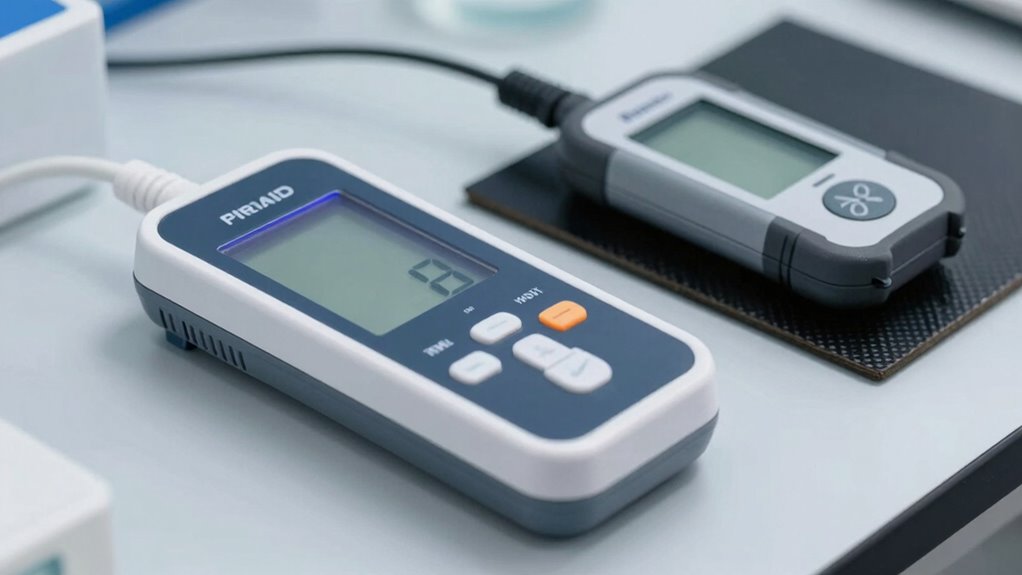
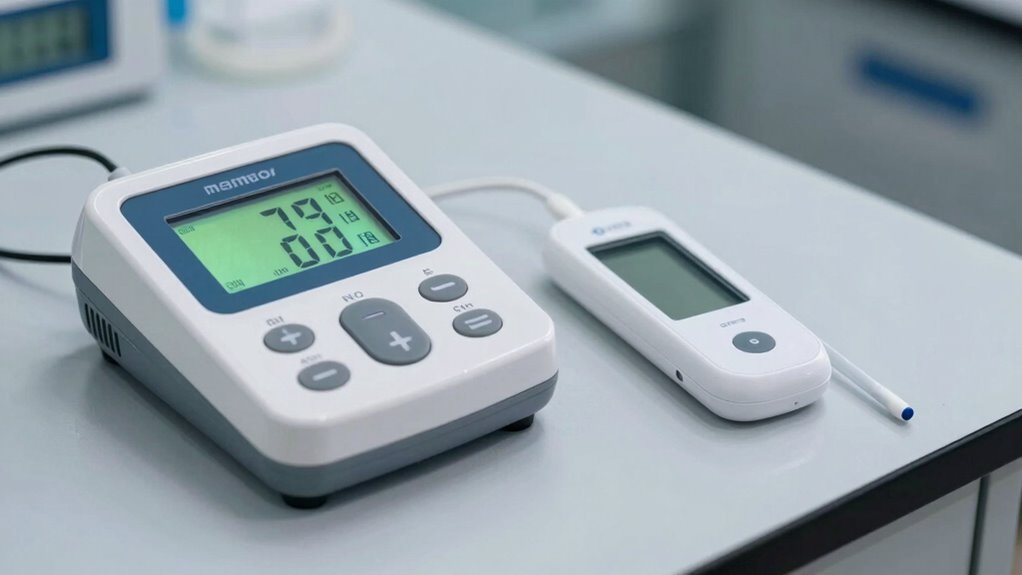
When choosing between a bench pH meter and a portable pH meter, understanding their differences can help you select the right tool for your needs. These two types of pH meters serve similar functions but are designed for different environments and uses. Your decision hinges on factors like calibration techniques, ease of use, accuracy, and cost comparison. Bench pH meters are typically more sophisticated, offering higher precision and stability. They are ideal for laboratory settings where measurements are taken under controlled conditions, and frequent calibrations ensure accuracy. You’ll find that calibration techniques for bench models often involve automatic or manual calibration with standard buffer solutions, which can be easily performed with built-in features or external calibration accessories. This process helps maintain measurement accuracy over time, especially with regular use. Proper calibration techniques are essential for ensuring consistent and reliable pH readings, regardless of the device type. While the initial investment might be higher, the reliability and consistency they provide can save you money in the long run through fewer errors and re-tests.
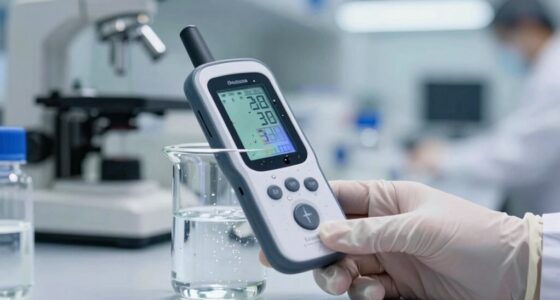
On the other hand, portable pH meters are designed for fieldwork or situations where mobility is essential. They are generally smaller, more rugged, and easier to carry around. Calibration for portable meters is usually straightforward, often involving manual calibration with standard buffers. Some models include automatic calibration features, but these are less common. Cost comparison plays a significant role here; portable meters tend to have a lower upfront cost, making them accessible for smaller budgets or occasional use. However, they might require more frequent calibration checks to maintain accuracy, especially when used in harsh environments or under varying temperature conditions. This can add to ongoing costs, particularly if you need to replace batteries or accessories more often. Furthermore, understanding calibration techniques is crucial for maintaining the accuracy of both types of meters over time.
In terms of precision, bench pH meters usually outperform portable ones, thanks to their advanced electrode systems and more stable readings. But if your work involves sampling in different locations or outdoor environments, a portable meter offers the convenience of on-the-spot measurements without sacrificing too much accuracy. Think about your typical working conditions, frequency of use, and budget constraints when weighing these factors. Ultimately, both types can deliver reliable pH readings, but your specific needs will determine which one is the better fit. Whether you prioritize high accuracy and stability or portability and affordability, understanding calibration techniques and conducting a thorough cost comparison will guide you toward the right choice for your applications.
bench pH meter with automatic calibration
As an affiliate, we earn on qualifying purchases.
As an affiliate, we earn on qualifying purchases.
Frequently Asked Questions
What Is the Typical Lifespan of a Bench pH Meter?
A bench pH meter typically lasts around 2 to 3 years, depending on how well you maintain it. Its electrode lifespan can be extended with proper care, regular cleaning, and timely replacement. You should calibrate the device frequently—usually weekly or before critical measurements—to guarantee accuracy. Proper calibration and electrode maintenance are key to maximizing your meter’s lifespan and getting reliable pH readings over time.
How Do I Calibrate a Portable pH Meter in the Field?
To guarantee your portable pH meter performs at its best during field testing, follow straightforward calibration procedures. First, rinse the electrode with distilled water, then immerse it in a calibration buffer of known pH. Allow the reading to stabilize before adjusting the calibration knob if needed. Repeat with a second buffer for accuracy. Regular calibration in the field keeps your device reliable, capturing the true essence of your measurements.
Are There Maintenance Differences Between Bench and Portable Meters?
You’ll find that maintenance differs mainly in calibration procedures and storage requirements. Bench meters often require more frequent calibration and are usually stored in controlled environments, ensuring stability. Portable meters, on the other hand, need quick calibration in the field and are designed to withstand rough handling, but they still require proper storage—like keeping the electrodes moist—to maintain accuracy. Regular maintenance keeps both types reliable and precise.
Can Portable pH Meters Be Used for Industrial Applications?
Yes, you can use portable pH meters for industrial applications, but you need to follow proper calibration procedures to guarantee measurement accuracy. Portable meters are designed for on-the-go testing, making them convenient for field work. However, they might have limitations in precision compared to bench meters. Regular calibration and maintenance are essential to maintain accuracy, especially in demanding industrial environments where precise pH measurements are critical.
What Are the Cost Differences Between Bench and Portable pH Meters?
You’ll find bench pH meters generally cost more upfront due to advanced features, precise calibration procedures, and stable storage requirements. Portable pH meters usually cost less, making them budget-friendly for quick tests, but they may require more frequent calibration and careful storage to maintain accuracy. While the initial investment differs, consider ongoing costs for calibration and storage, which can impact overall expenses for both types.
portable rugged pH meter for field use
As an affiliate, we earn on qualifying purchases.
As an affiliate, we earn on qualifying purchases.
Conclusion
Choosing between a bench pH meter and a portable pH meter is like picking between a reliable anchor and a swift sailboat — each has its place. If precision and stability are your priorities, the bench meter is your steadfast partner. But if you need flexibility and quick readings on the go, the portable meter is your trusty compass. Ultimately, your choice depends on where your testing journey takes you, guiding you smoothly through every challenge.
laboratory pH meter with high accuracy
As an affiliate, we earn on qualifying purchases.
As an affiliate, we earn on qualifying purchases.
handheld pH meter for outdoor testing
As an affiliate, we earn on qualifying purchases.
As an affiliate, we earn on qualifying purchases.
Fall Picks
fall essentials
As an affiliate, we earn on qualifying purchases.