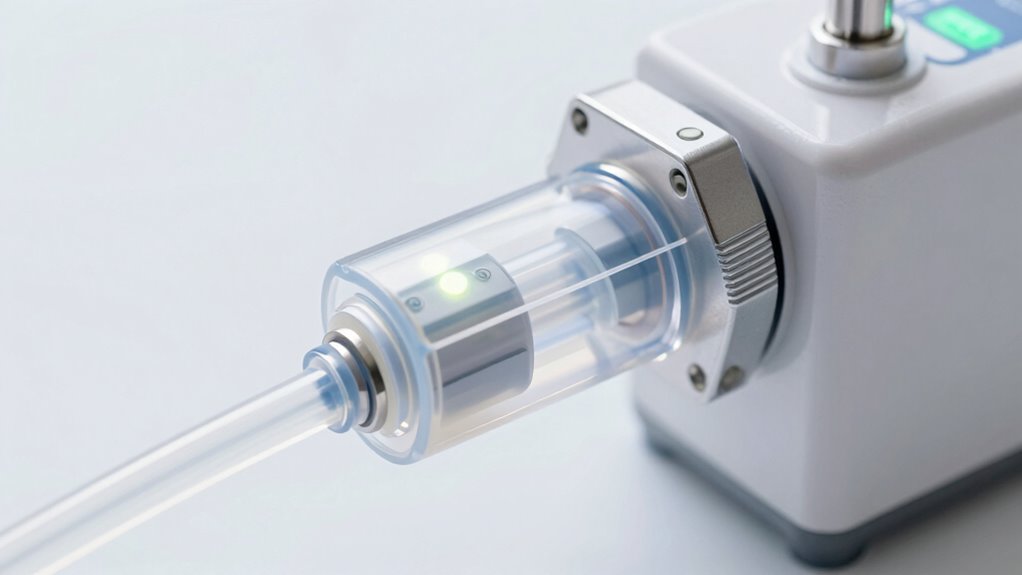

Peristaltic dosing pumps provide gentle fluid handling by smoothly compressing flexible tubing, which minimizes shear stress and turbulence. They deliver precise doses, making them ideal for sensitive applications like medical or laboratory use. Proper calibration and choosing the right tubing material ensure consistent, accurate flow and avoid contamination or leaks. Maintaining the pump and replacing tubing when needed keeps performance reliable over time. Want to learn more about how these features work together for ideal fluid handling?
Key Takeaways
- Peristaltic pumps handle delicate fluids gently, minimizing shear stress and turbulence during transfer.
- Proper calibration ensures accurate dosing, maintaining gentle and consistent fluid delivery.
- Selecting compatible tubing materials prevents contamination and ensures safe, gentle handling of sensitive fluids.
- Regular maintenance and tubing replacement preserve pump performance and prevent leaks or damage.
- Application-specific considerations, like chemical compatibility, optimize the pump’s gentle and reliable fluid handling.
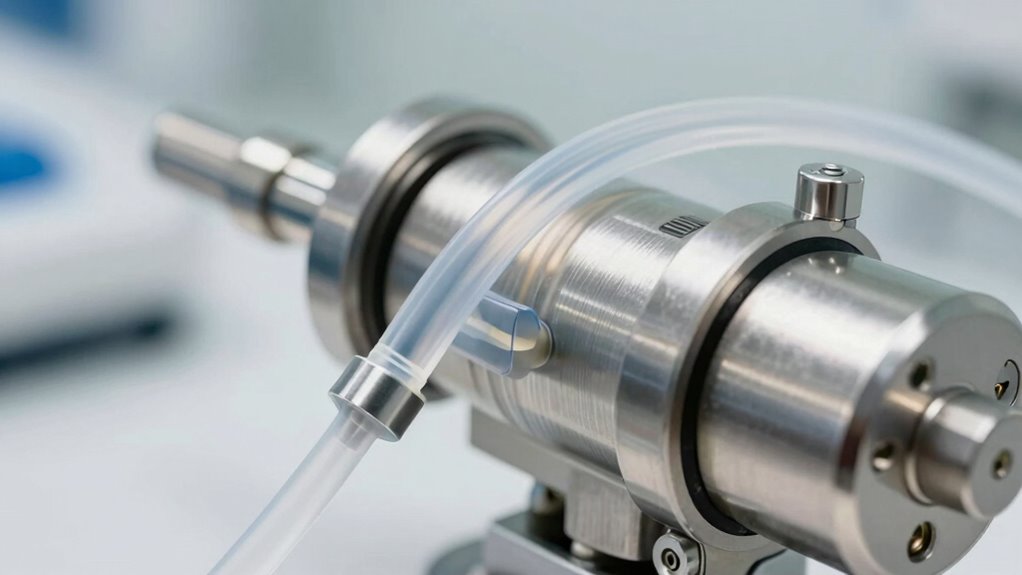
Have you ever wondered how precise and reliable chemical dosing is achieved in various industrial and medical applications? The answer often lies in peristaltic dosing pumps, which excel at delivering fluids accurately while minimizing contamination and stress on the fluids themselves. These pumps operate by compressing a flexible tube—called tubing—using rollers or shoes that move along the tube’s length, pushing the fluid forward in a controlled, rhythmic motion. Because of this design, pump calibration becomes essential. You need to guarantee that the pump dispenses the correct volume each cycle, which involves careful calibration of the pump’s speed and stroke length. Regular calibration helps maintain accuracy over time, especially as tubing materials wear or change due to chemical exposure. This calibration process is indispensable because even minor deviations can lead to significant errors in dosing, whether in pharmaceutical manufacturing or water treatment. Proper calibration not only ensures accuracy but also extends the lifespan of the pump by preventing unnecessary strain on its components.
The choice of tubing materials plays a significant role in the overall performance and reliability of the dosing pump. Different fluids require specific tubing types that resist chemical degradation, prevent contamination, and guarantee longevity. For instance, silicone tubing offers flexibility and chemical resistance suitable for many applications, but it might not be ideal for highly aggressive chemicals. Conversely, Tygon or Viton tubing can handle more corrosive substances but may be stiffer or more expensive. Selecting the right tubing material isn’t just about chemical compatibility; it also influences how smoothly the pump operates and how easily you can maintain consistent flow rates. When tubing materials degrade or become misshapen, it’s essential to replace them promptly to sustain calibration accuracy and prevent leaks or blockages. Additionally, understanding the chemical compatibility of tubing materials with specific fluids is crucial for optimal performance and safety. Maintaining awareness of material compatibility helps prevent unexpected failures and ensures the pump’s longevity. Regular inspection and prompt replacement of worn tubing can also help prevent contamination risks and ensure ongoing precision. Moreover, choosing the appropriate tubing involves considering the fluid viscosity to ensure smooth operation and accurate dosing. Proper maintenance practices, including monitoring tubing wear, contribute significantly to the consistent performance of the pump.
Your ability to maintain proper pump calibration and choose suitable tubing materials directly impacts the precision of fluid delivery. Peristaltic pumps are designed to handle delicate fluids gently, avoiding shear stress or turbulence that could damage sensitive compounds. This gentle handling is especially important in medical applications, such as intravenous drug delivery, where accuracy and sterility are paramount. In industrial settings, guaranteeing that the pump’s calibration is correct and that tubing materials are compatible with the chemicals being pumped ensures consistent results and reduces downtime. Regular maintenance, including checking calibration settings and inspecting tubing integrity, helps you sustain the pump’s performance over its lifespan. With the right attention to these details, you can trust your peristaltic dosing pump to provide precise, sterile, and gentle fluid handling every time.

Kamoer DIP1500 Peristaltic Pump 24V 1500ml/min High Flow Intelligent Variable Speed 0.1-400rpm Liquid Dosing Pump 3 Rotors LED Screen RS485 7.9mm x 11.1mm (IDxOD)
DIP1500 intelligent peristaltic pump, using high-precision long-life stepper motor, with a digital LED display to show the instant…
As an affiliate, we earn on qualifying purchases.
As an affiliate, we earn on qualifying purchases.
Frequently Asked Questions
How Do Peristaltic Pumps Compare to Diaphragm Pumps?
Peristaltic pumps excel in fluid compatibility and gentle handling, making them ideal for sensitive fluids, whereas diaphragm pumps often offer higher pump efficiency for thicker or more viscous liquids. You’ll find peristaltic pumps provide precise, contamination-free dosing with minimal maintenance, but diaphragm pumps handle higher pressures better. Choose based on your fluid type and efficiency needs, knowing peristaltic pumps prioritize gentle, accurate delivery, while diaphragm pumps focus on robustness and power.
What Maintenance Is Required for Peristaltic Dosing Pumps?
You should regularly check the lubrication schedule to guarantee the pump’s rollers and tubing stay well-lubricated, preventing wear and maintaining smooth operation. Additionally, inspect cables for signs of damage or wear, as faulty cables can lead to malfunctions. Routine maintenance also involves cleaning the tubing and verifying that all connections are secure. Performing these tasks keeps your peristaltic dosing pump functioning reliably and extends its lifespan.
Can Peristaltic Pumps Handle Abrasive Fluids Effectively?
Yes, peristaltic pumps can handle abrasive fluids effectively, but only with proper precautions. You need to guarantee chemical compatibility between the pump tubing and the abrasive fluid to prevent damage. Regular replacement extends the pump’s lifespan, maintaining efficiency and avoiding costly downtime. By selecting the right tubing material and monitoring wear closely, you keep the pump performing at its best, even with challenging, abrasive applications.
What Are the Limitations of Peristaltic Dosing Pumps?
You should be aware that peristaltic dosing pumps have limitations like material compatibility issues, which can restrict the types of fluids you can pump without damaging the tubing. Additionally, pump calibration is essential; improper calibration leads to inaccurate dosing. These pumps may struggle with highly viscous or abrasive fluids, and tubing wear over time requires regular maintenance to guarantee precise, gentle fluid handling.
How Do Temperature Variations Affect Pump Performance?
Temperature twists and turns can threaten your pump’s precision. When temperatures fluctuate, fluid viscosity varies, making it harder for the pump to maintain stable, steady flow. Cooler temperatures increase viscosity, causing sluggish pumping, while warmer temps decrease it, risking leaks and inaccuracies. Ensuring temperature stability is essential to keep your peristaltic pump performing perfectly, preserving precision, and preventing potential problems caused by temperature-induced viscosity changes.

Peristaltic Pump Tube, Alkali Silicone Grade High Temperature Peristaltic Pump Hose for Laboratory and Vaccine Production 4.8mm ID 8mm OD 1 Meter
[PRECISE TUBE] Inner Diameter: 4.8mm / Outer Diameter: 8mm / Wall Thickness: 1.6mm. Perfectly fits standard peristaltic pump…
As an affiliate, we earn on qualifying purchases.
As an affiliate, we earn on qualifying purchases.
Conclusion
With peristaltic dosing pumps, you guarantee precision, protect delicate fluids, and simplify maintenance. You gain reliability, reduce downtime, and enhance safety. You embrace efficiency, trust in gentle handling, and experience peace of mind. You choose a solution that’s adaptable, durable, and user-friendly. You empower your processes, elevate your standards, and secure your success. With peristaltic dosing pumps, you don’t just pump fluids—you transform your operations for the better.

Feelers Silicone Tubing, Food Grade Pure Siliconce Hose 2mm ID 4mm OD 10ft, High Temperature Resistant Flexible Hose for Water Air Pump, Aquarium, Home Brewing, Kitchen
【Material】This tubing is manufactured from quality silicone and has been tested against FDA standards for food contact. It…
As an affiliate, we earn on qualifying purchases.
As an affiliate, we earn on qualifying purchases.
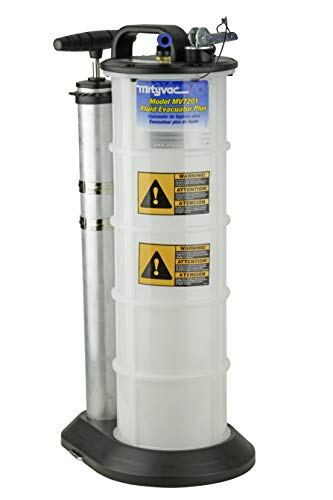
Mityvac 7201 2.3 Gallon Fluid Evacuator Extractor and Dispensing Pump, Push Button, Manual Operation, Chemical-Resistant Polyethylene, Automatic Overflow Prevention, Quick-Drain Spout, Large Base
DUAL-FUNCTION FLUID EVACUATOR AND DISPENSER: The Mityvac 7201 combines fluid extraction and dispensing in one convenient tool, making…
As an affiliate, we earn on qualifying purchases.
As an affiliate, we earn on qualifying purchases.