
TL;DR
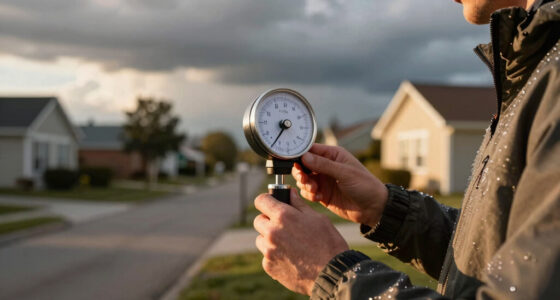
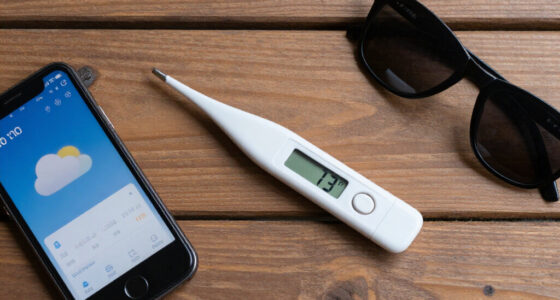
France recorded its highest temperature ever, marking a historic heat record amid an early and severe European heat wave. Experts warn this could signal worsening climate extremes, though full impacts are still unfolding.
France recorded its highest temperature ever on July 14, 2024, with the mercury reaching 42.6°C (108.7°F) in the southern town of Vérargues, confirming a historic heat record. This development underscores the early onset of an intense heat wave across Europe, with experts warning of escalating climate risks and impacts. Europe heatwave live: UK temperatures forecast to reach 38C after overnight storms; France has hottest night since records began
The temperature measurement in Vérargues surpasses the previous national record of 46.0°C set in 2019, according to France’s meteorological agency, Météo-France. The heat wave has affected multiple countries across Europe, with some regions experiencing temperatures 10°C above seasonal averages. Authorities have issued heat advisories, urging residents to stay hydrated and avoid outdoor activities during peak hours. The record-breaking heat is attributed to a persistent high-pressure system, often described as a ‘heat dome,’ trapping hot air over the continent, according to climate scientists. While the record is confirmed, the full extent of the heat wave’s impact on infrastructure, agriculture, and health systems is still being assessed, with emergency services reporting increased hospital admissions related to heat stress.
Implications of Europe’s Early and Extreme Heat Wave
This record-breaking heat in France and the broader European heat wave highlight the increasing frequency and severity of climate extremes. Such events threaten public health, strain energy and water resources, and disrupt agriculture and ecosystems. The early arrival of this heat wave suggests that climate change is intensifying seasonal patterns, raising concerns about future summers becoming more unpredictable and dangerous. Policymakers and communities are urged to strengthen adaptation measures and climate resilience strategies to mitigate ongoing risks.
![Taiofan Portable Handheld Fan with Semiconductor Ice Cooling, [Instant Ice Relief], 4000mAh Rechargeable Mini Personal Fan, 5 Speeds, Quiet USB Travel Fan for Outdoor, Commuting, Summer Heat](https://m.media-amazon.com/images/I/41oazuorjEL._SL500_.jpg)
Taiofan Portable Handheld Fan with Semiconductor Ice Cooling, [Instant Ice Relief], 4000mAh Rechargeable Mini Personal Fan, 5 Speeds, Quiet USB Travel Fan for Outdoor, Commuting, Summer Heat
- Instant Ice Relief: Reduces skin temperature in seconds
- Semiconductor Cooling Tech: Actively cools with icy touch feature
- 5-Speed Wind Settings: Adjustable powerful airflow levels
As an affiliate, we earn on qualifying purchases.
As an affiliate, we earn on qualifying purchases.
Recent Climate Trends and Europe’s Heat Records
Europe has experienced a series of record-breaking heat events over the past decade, with 2023 being one of the hottest years on record globally. The current heat wave is part of a pattern driven by a persistent high-pressure system, known as a ‘heat dome,’ which has been linked to climate change. Scientists have warned that such extreme weather patterns are becoming more common and intense, with projections indicating that summers will continue to grow hotter and more volatile. The current event is notable as it marks the earliest and most intense heat in France’s recent history, raising alarms about the pace of climate change impacts.
“This unprecedented heat record in France is a clear signal of how climate change is accelerating extreme weather events. The early onset of such a heat wave is particularly concerning.”
— Dr. Marie Dupont, climate scientist at the European Climate Institute

AXEN Collapsible Water Bottle with Filter System, Soft Hydration Flask for Trail Running, Camping, Hiking, Cycling, 1L Clear
- High-Efficiency Filtration: Filters water from natural sources effectively
- Universal Compatibility: Fits standard 42mm filter cartridges
- Long-Lasting Filter: Up to 1,000 liters of filtration
As an affiliate, we earn on qualifying purchases.
As an affiliate, we earn on qualifying purchases.
Uncertainties About the Duration and Impact of the Heat Wave
It remains unclear how long the current heat wave will persist across Europe, with forecasts suggesting it may last several more days but subject to change. The full extent of damage to agriculture, infrastructure, and health systems is still being assessed, and the long-term climate implications are an area of active research. Additionally, the precise influence of climate change on this specific event continues to be studied, with some experts emphasizing the difficulty of attributing individual weather events solely to global warming.

ZHENWEI Women's Long Sleeve Workout Tops Loose Fit Golf Gym Hiking Shirts UPF 50+ Sun UV Protection Outdoor Clothing (Black Floral, Large)
- Sun Protection: UPF 50+ UV protection for outdoor activities
- Loose Fit & Side Slits: Enhanced airflow and comfortable fit
- Long Sleeve & Thumb Holes: Sun protection and sleeve security
As an affiliate, we earn on qualifying purchases.
As an affiliate, we earn on qualifying purchases.
Next Steps in Monitoring and Response to the Heat Wave
Meteorological agencies will continue to monitor the situation, issuing updated forecasts and advisories. Authorities in affected countries are expected to implement emergency measures to protect vulnerable populations, such as opening cooling centers and increasing public awareness. Climate scientists will analyze the event to better understand the role of climate change in this extreme heat, informing future policy and adaptation efforts. Long-term, efforts to reduce greenhouse gas emissions and strengthen climate resilience are likely to be prioritized in response to this and similar events.

Solar Powered Fan,【Max 40H Runtime】Rechargeable Solar Camping Fans & Led Lantern,8-inch Portable Fan with Solar Panel,Battery Operated Powered Outdoor Tent Fans for Camping Essentials Accessories
- Long Runtime on Full Charge: Up to 40 hours of use
- Large 10800mAh Battery: Provides extended outdoor cooling
- Split Design for Safety: Solar panel outside, fan inside tent
As an affiliate, we earn on qualifying purchases.
As an affiliate, we earn on qualifying purchases.
Key Questions
How does this heat record compare to previous European heat events?
This is the earliest and one of the most intense heat records in France’s recent history, part of a broader pattern of increasing extreme heat across Europe over the past decade.
What are the health risks associated with this heat wave?
Extreme heat increases the risk of heat exhaustion, heatstroke, dehydration, and can exacerbate existing health conditions, especially among vulnerable groups like the elderly and children.
Is climate change directly responsible for this heat wave?
While scientists cannot attribute a single event solely to climate change, the increasing frequency and severity of such events are consistent with climate change projections.
What measures are authorities taking to protect residents?
Authorities have issued heat advisories, opened cooling centers, and advised residents to stay hydrated and avoid outdoor activities during peak heat hours.
Will this heat wave continue to affect Europe in the coming weeks?
Forecasts suggest the current heat conditions may persist for several more days, but the exact duration and intensity are still uncertain and subject to weather pattern changes.
Source: google-trends