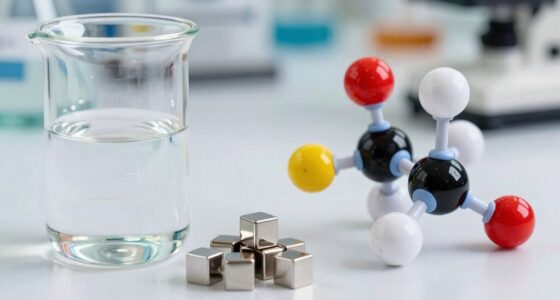
Water purity matters more than most beginners realize because contaminants can silently harm your health and affect your daily life. Even municipal treatment doesn’t remove everything—heavy metals, bacteria, and microscopic pollutants can still be present. Using your own filtration system adds an extra layer of protection, improving taste and promoting better hydration. To truly understand how to guard your well-being, you’ll discover essential details that could make a big difference for your health.
Key Takeaways
- Contaminants in water can cause serious health issues even if they are microscopic or resistant to municipal treatment.
- Proper filtration not only improves taste but also removes harmful chemicals, heavy metals, and bacteria.
- Water purity impacts overall vitality, skin health, and hydration, which beginners often overlook.
- Relying solely on municipal water treatment may leave residual pollutants that pose health risks.
- Investing in advanced filtration systems provides an extra layer of protection against microscopic and chemical pollutants.
Have you ever considered how crucial water purity is to your health and daily life? It’s easy to overlook, but the quality of the water you drink directly impacts your well-being. When you think about water, you probably focus on whether it tastes good or looks clear. But beneath the surface, water purity involves much more—like how effectively water filtration systems remove harmful contaminants. Proper water filtration isn’t just a luxury; it’s a necessary step to guarantee the water you consume is safe. Contaminant removal is critical because tap water can carry a host of unseen pollutants—heavy metals, bacteria, pesticides, and chemicals from industrial runoff. These substances pose serious health risks, even if you don’t notice any immediate effects.
Ensuring water purity protects your health by removing unseen pollutants like heavy metals, bacteria, and chemicals.
You might wonder why water filtration makes such a difference. The truth is, municipal water treatment plants do a good job of reducing many contaminants, but they can’t eliminate everything. Some pollutants slip through the cracks, especially those that are microscopic or chemically resistant. That’s where individual water filtration systems come into play, acting as an extra line of defense. By filtering your water at the source—whether through pitcher filters, under-sink units, or whole-house systems—you markedly reduce your exposure to potential toxins. This process guarantees that the water reaching your glass is not only clean but also free from substances that could harm your body over time. Additionally, choosing appropriate filtration methods can help target specific contaminants more effectively, ensuring comprehensive protection.
Contaminant removal isn’t just about health; it’s about quality of life. When you hydrate with purified water, you’re more likely to maintain peak hydration levels, which benefits your skin, energy, and overall vitality. Plus, purified water tastes better—clean, crisp, and free from chemical aftertastes that often accompany unfiltered tap water. This encourages you to drink more water, supporting your health on a daily basis. Additionally, knowing your water is free from harmful pollutants can give you peace of mind, especially if you live in an area prone to water quality issues or rely on well water that’s more vulnerable to contamination. Recognizing the specific microplastics in dust and other microscopic pollutants can help you choose filtration systems that target these tiny contaminants more effectively.
Ultimately, understanding the importance of water purity helps you make smarter choices. Investing in effective water filtration and prioritizing contaminant removal isn’t just about convenience; it’s about safeguarding your health and enhancing your quality of life. When you recognize that the water you drink impacts every part of your body—from your immune system to your digestive health—you realize that pure water isn’t just a preference, it’s a necessity. Protecting yourself starts with guaranteeing the water you consume is as pure as it should be. Recognizing the limitations of municipal treatment can motivate you to choose advanced filtration systems that better address microscopic and resistant pollutants. Additionally, understanding the role of proper contaminant removal can help you select filtration options that are more effective at removing specific harmful substances.
water filtration system for home
As an affiliate, we earn on qualifying purchases.
As an affiliate, we earn on qualifying purchases.
Frequently Asked Questions
How Can I Test My Water Purity at Home Effectively?
To test your water purity at home effectively, start with water testing kits designed for home testing. These kits are easy to use and provide quick results for common contaminants like bacteria, chlorine, and heavy metals. Simply follow the instructions, collect a water sample, and analyze the results. Regular testing guarantees your water stays safe and pure, giving you peace of mind about the quality of your drinking water.
What Are Common Contaminants Found in Tap Water?
You’ll find common contaminants in tap water include lead contamination and various chemical pollutants. Lead often leaches from old pipes, posing serious health risks, especially to children. Chemical pollutants like pesticides, pharmaceuticals, and industrial chemicals can also seep into water sources, affecting water quality and safety. Testing for these contaminants is essential, as they can cause health problems over time, making pure, safe water a priority for your household.
Does Water Purity Affect the Taste of Drinking Water?
Yes, water purity greatly impacts the taste of your drinking water. When water has balanced mineral content and proper pH levels, it tastes fresh and clean. Excess minerals or imbalanced pH can create off-flavors or metallic tastes. Purity guarantees contaminants don’t interfere with flavor, so investing in good water filtration helps maintain ideal mineral balance and pH levels, giving you better-tasting, safer water every time.
How Often Should I Replace My Water Filtration System?
You should replace your water filtration system based on its filtration longevity, which varies by model and usage. Typically, filters need changing every 6 to 12 months to guarantee peak performance. Regular system maintenance is essential to prevent buildup and maintain water quality. Check your manufacturer’s recommendations and monitor water flow and taste; if you notice a decline, it’s time for a replacement to keep your water pure and safe.
Are Bottled Waters Always Purer Than Tap Water?
In the age of the Roman aqueduct, bottled water might seem purer, but today, bottled water quality varies greatly. Sometimes, it’s just tap water bottled up, so it’s not always safer. Tap water safety depends on your local water treatment, which often exceeds bottled standards. Always check labels and local reports; don’t assume bottled water is inherently purer. You’ve got to be a savvy water consumer to make the right choice.
As an affiliate, we earn on qualifying purchases.
Conclusion
Remember, water purity is like a clear mirror reflecting your health and well-being. When the water is pure, it’s a symbol of clarity and essentialness—your body’s own mirror. Don’t settle for cloudy or contaminated water; instead, see it as a reflection of your care for yourself. Keep your water pristine, and you’ll keep your life shining bright, fresh, and true—because what you drink is the foundation of everything else.
As an affiliate, we earn on qualifying purchases.
pitcher water filter for contaminants
As an affiliate, we earn on qualifying purchases.
As an affiliate, we earn on qualifying purchases.