TL;DR
The Sun has released 10 solar flares in the past 24 hours, with several coronal mass ejections heading toward Earth. This activity could boost aurora displays, including the northern lights, over the July 4 weekend.
The Sun has emitted 10 solar flares within the last 24 hours, accompanied by multiple coronal mass ejections (CMEs) that are currently headed toward Earth, according to space weather reports. This heightened activity has raised expectations for visible auroras, including the northern lights, during the upcoming July 4 weekend, making it a significant event for skywatchers and satellite operators alike.
Space weather agencies, including the NOAA Space Weather Prediction Center, confirmed the occurrence of 10 solar flares over a 24-hour period, ranging from moderate to strong intensity. Several of these flares were classified as M-class, with some reaching X-class, the most powerful category. Alongside these flares, multiple CMEs were observed, with at least three identified as Earth-directed, increasing the likelihood of geomagnetic storms.
Experts say that the recent solar activity could lead to enhanced auroras, particularly over northern latitudes, during the upcoming holiday weekend. The increased geomagnetic activity may also impact satellite communications and power grids, though no major disruptions have been reported yet. The Sun’s current active phase is part of its approximately 11-year solar cycle, which peaks around 2025.
Implications of Increased Solar Activity for Earth and Space Operations
This surge in solar activity is significant because it can produce geomagnetic storms capable of affecting satellite communications, navigation systems, and power grids. For skywatchers in northern regions, the increased geomagnetic activity raises the chances of seeing the northern lights, making the upcoming weekend potentially spectacular for aurora viewing. However, the same activity also poses risks to space-based infrastructure, requiring operators to monitor space weather conditions closely.

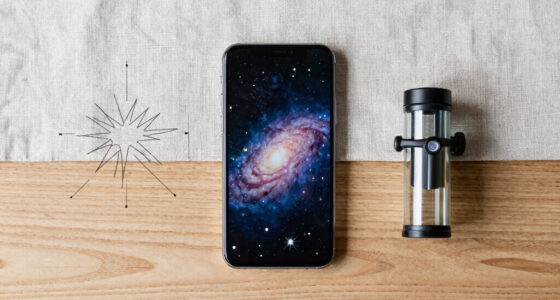
15×52 HD Binoculars for Adults High Powered with Upgraded Phone Adapter
- High Magnification: 15x powerful binoculars for long-distance viewing
- Large 22mm Eyepiece: Provides wider, clearer detailed views
- Enhanced Phone Adapter: Upgraded, stable attachment for smartphones
As an affiliate, we earn on qualifying purchases.
As an affiliate, we earn on qualifying purchases.
Recent Solar Cycle Trends and Expected Space Weather Impact
The Sun’s current cycle, nearing its peak, has seen increased solar flare activity over the past several weeks. Historically, such periods of heightened solar activity coincide with more frequent CMEs and auroras. Previous similar events in recent years have led to brief disruptions in satellite and radio communications, emphasizing the importance of space weather monitoring. The current activity aligns with predictions that solar maximum conditions are approaching, expected around 2025.
“The recent burst of solar flares and CMEs indicates we are in a period of heightened solar activity. While this increases the likelihood of auroras, it also warrants vigilance for potential space weather impacts on technology.”
— Dr. Lisa Grant, NOAA Space Weather Prediction Center

Universe: The Definitive Visual Guide (DK Definitive Visual Encyclopedias)
As an affiliate, we earn on qualifying purchases.
As an affiliate, we earn on qualifying purchases.
Uncertainties in CME Impact and Aurora Visibility
While several CMEs are confirmed as Earth-bound, the exact strength of the resulting geomagnetic storms and the specific timing of aurora displays remain uncertain. Variations in CME speed, magnetic orientation, and interaction with Earth’s magnetic field will influence the actual impact. Additionally, local weather conditions may affect visibility of the northern lights.

As an affiliate, we earn on qualifying purchases.
Monitoring and Preparing for Space Weather Effects This Weekend
Space agencies will continue to monitor the solar activity closely, providing updates on the likelihood of geomagnetic storms and aurora visibility. Satellite operators and power grid managers are advised to stay alert for potential disruptions. For the public, especially in northern regions, the upcoming weekend offers a chance to witness enhanced auroras, pending favorable conditions.

Midland – WR120B – NOAA Emergency Weather Alert Radio – Localized Programming, Trilingual Display, 60+ Emergency Alerts, Alarm, Selectable Alert Tone
- NOAA Weather Scan & Alerts: Over 60 weather hazard alerts
- Localized S.A.M.E Programming: Set specific area codes
- Customizable Notification Settings: Alerts from 25 counties
As an affiliate, we earn on qualifying purchases.
As an affiliate, we earn on qualifying purchases.
Key Questions
How common is this level of solar activity?
This level of activity, with multiple flares and CMEs in a 24-hour period, is typical during the solar maximum phase, which occurs roughly every 11 years. It indicates an active Sun but is not unprecedented.
Will this activity definitely cause auroras?
While the Earth-directed CMEs increase the likelihood of auroras, visibility depends on local weather and magnetic conditions. There is a good chance for northern lights in suitable areas this weekend, but it cannot be guaranteed.
Are there risks to satellites or power grids?
Intense solar activity can disrupt satellite operations and power systems. Agencies are monitoring the situation, and precautions are being taken, but no major disruptions have been reported yet.
When will solar activity peak again?
The current solar cycle is expected to reach its maximum around 2025, during which activity like this is more frequent. The current period is part of that rising phase.
Source: google-trends