Editorial update log
November 25, 2026:
Deal update: RoundupForge price history now flags ASIN B0876F6STP on amazon.com as below its typical tracked range. RF labels the deal as typical.
Exact pricing remains intentionally gated through the live Grimfaste price module in the article.
Educational science experiment kits turn kitchen tables into chemistry labs, but the gap between the best and worst options is wide — some kits pack 100+ genuinely varied experiments with clear instruction manuals, while others pad their counts with near-duplicate activities. My top pick overall is the National Geographic Amazing Chemistry Set with 100+ Experiments, which balances experiment volume, safety-tested materials, and genuinely educational write-ups better than anything else in this lineup. For younger siblings, the Doctor Jupiter My First Science Kit (Ages 4+) is the standout beginner option, and the UNGILINGA 272 Experiments Kit wins on raw value if you want maximum activities per dollar. The main tradeoffs to weigh: experiment count versus quality, brand-name reliability versus budget pricing, and chemistry-focused kits versus broader earth-science mixes. Read on for the full ranked breakdown.

Prime made for students and young adults
- Fast, free delivery for dorm and study essentials
- Prime Video and Amazon Music included
- Member-only deals
Key Takeaways
- National Geographic kits dominated the top of the rankings because their instruction manuals explain the science behind each experiment, while most budget kits only tell kids what to do — that educational layer is what justifies the higher price.
- Experiment counts are heavily inflated across the category: kits advertised at 100+, 150, or 272 experiments often include variations of the same activity, so I weighted experiment diversity and repeat value over raw numbers.
- Age ratings matter more than price here. The Doctor Jupiter Ages 4+ kits succeeded with preschoolers because of color-change and fizz-style reactions, while the same simplicity would bore an 11-year-old.
- Household-supplement kits (like the National Geographic Earth Science Kit) cost less upfront but require baking soda, vinegar, and food coloring trips — a hidden cost and convenience factor buyers should factor in.
- The UNGILINGA lineup offered the best cost-per-experiment ratio in the roundup, but inconsistent translated instructions made adult supervision and pre-reading essential, especially for the 272-experiment version.
- Magic-themed kits (National Geographic Magic and Science Magic) ranked lower for pure learning but were the most reliable at holding the attention of kids who resist ‘school-style’ activities.
| National Geographic Gross Science Kit with 45 Experiments for Kids 8-12 |  | Best for Reluctant Scientists | Number of Experiments: 45 | Age Range: 8-12 years | Brand: National Geographic | VIEW LATEST PRICE | See Our Full Breakdown |
| National Geographic Amazing Chemistry Set with 100+ Experiments for Ages 8-12 |  | Best Overall | Number of Experiments: 100+ | Age Range: 8 years and up | Brand: Blue Marble (National Geographic) | VIEW LATEST PRICE | See Our Full Breakdown |
| UNGLINGA 150 Experiments Science Kits for Kids – Chemistry & STEM Activities | 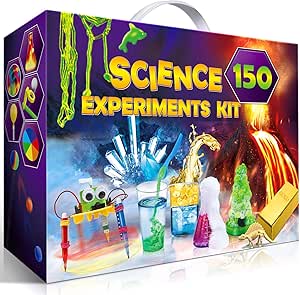 | Best Value | Number of Experiments: 150 | Age Range: 8 years and up | Brand: UNGLINGA | VIEW LATEST PRICE | See Our Full Breakdown |
| National Geographic Mega Science Lab with 75 Experiments for Kids 8-12 |  | Best Variety Seeker’s Pick | Number of Experiments: 75 (45 kit-based + 30 household-item experiments) | Age Range: 8 years and up | Brand: Blue Marble (National Geographic) | VIEW LATEST PRICE | See Our Full Breakdown |
| National Geographic Magic Chemistry Set with 10 Tricks for Kids Ages 8-12 |  | Best Starter Gift | Number of Tricks: 10 | Age Range: 8-12 years | Brand: National Geographic | VIEW LATEST PRICE | See Our Full Breakdown |
| Doctor Jupiter Ultimate Science Experiments Kit for Kids Ages 8+ |  | Best for Volume and Replay Value | Number of Experiments: 135+ | Bonus Experiments: 90+ | Recommended Age: 8 years and up | VIEW LATEST PRICE | See Our Full Breakdown |
| National Geographic Junior Chemistry Set with 50 Experiments for Kids |  | Best for Preschool Scientists | Brand: Blue Marble (National Geographic) | Age Range: 4 years and up | Number of Experiments: 50 | VIEW LATEST PRICE | See Our Full Breakdown |
| National Geographic Earth Science Kit with 100+ Activities for Kids 8-12 | 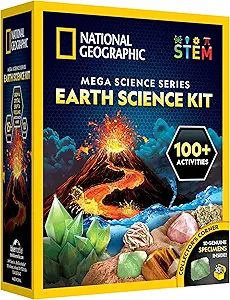 | Best for Earth Science Depth | Brand: Blue Marble (National Geographic) | Age Range: 8 years and up | Number of Activities: 100+ | VIEW LATEST PRICE | See Our Full Breakdown |
| Doctor Jupiter My First Science Experiments Kit for Kids Ages 4+ |  | Best Beginner Gift Under the Tree | Brand: Doctor Jupiter | Age Range: 4 years and up | Number of Experiments: 100+ | VIEW LATEST PRICE | See Our Full Breakdown |
| UNGLINGA 40+ Experiments Science Kit for Kids STEM Toy |  | Best Budget Starter Set | Brand: UNGLINGA | Age Range: 8 years and up | Number of Experiments: 40+ | VIEW LATEST PRICE | See Our Full Breakdown |
| Science Kit for Kids, 80 Science Lab Experiments, Scientist Role Play |  | Best Role-Play Value | Number of Experiments: 80 | Age Range: 6+ years | Brand: Kuovei | VIEW LATEST PRICE | See Our Full Breakdown |
| Doctor Jupiter My First Science Experiments Kit for Kids Ages 4+ |  | Best for Youngest Scientists | Number of Experiments: 50+ | Recommended Age: 4+ years | Safety Standards: ASTM F963-17 | VIEW LATEST PRICE | See Our Full Breakdown |
| National Geographic Science Magic Kit with 100+ Experiments for Kids 8-12 |  | Best Showpiece Pick | Age Range: 8 years and up | Brand: Blue Marble (National Geographic) | Included Components: Everything for 20 magic experiments, bonus booklet with 85+ additional experiments | VIEW LATEST PRICE | See Our Full Breakdown |
| UNGILINGA 272 Experiments Science Kit for Kids, Chemistry Set |  | Most Experiments | Number of Experiments: 272 | Brand: UNGILINGA | Included Tools: Test tube, measuring spoon, beaker, conical flask | VIEW LATEST PRICE | See Our Full Breakdown |
| UNGlinga 70 Lab Experiments Science Kit for Kids Chemistry Set |  | Best Budget Starter | Number of Experiments: 70 | Age Range: 8 years and up | Brand: UNGlinga | VIEW LATEST PRICE | See Our Full Breakdown |
| educational science experiment kit | Brand | Number of Experiments | Age Range |
|---|---|---|---|
| National Geographic Gross Scie | National Geographic | 45 | 8-12 years |
| National Geographic Amazing Ch | Blue Marble (National Geographic) | 100+ | 8 years and up |
| UNGLINGA 150 Experiments Scien | UNGLINGA | 150 | 8 years and up |
| National Geographic Mega Scien | Blue Marble (National Geographic) | 75 (45 kit-based + 30 household-item experiments) | 8 years and up |
| National Geographic Magic Chem | National Geographic | — | 8-12 years |
| Doctor Jupiter Ultimate Scienc | Doctor Jupiter | 135+ | — |
| National Geographic Junior Che | Blue Marble (National Geographic) | 50 | 4 years and up |
| National Geographic Earth Scie | Blue Marble (National Geographic) | — | 8 years and up |
| Doctor Jupiter My First Scienc | Doctor Jupiter | 100+ | 4 years and up |
| UNGLINGA 40+ Experiments Scien | UNGLINGA | 40+ | 8 years and up |
| Science Kit for Kids | Kuovei | 80 | 6+ years |
| Doctor Jupiter My First Scienc | Doctor Jupiter | 50+ | — |
| National Geographic Science Ma | Blue Marble (National Geographic) | — | 8 years and up |
| UNGILINGA 272 Experiments Scie | UNGILINGA | 272 | — |
| UNGlinga 70 Lab Experiments Sc | UNGlinga | 70 | 8 years and up |
More Details on Our Top Picks
National Geographic Gross Science Kit with 45 Experiments for Kids 8-12
Not every kid gravitates toward beakers and lab coats, and this is where the Gross Science Kit earns its spot. The 45 experiments lean into boiling boogers, glowing worms, and other kid-irresistible grossness to hook children who usually avoid anything labeled “educational.” Compared with the National Geographic Amazing Chemistry Set, which takes a more traditional approach with over 100 experiments, this kit trades quantity for raw kid appeal — the humor is the delivery mechanism for real chemistry concepts like polymers and reactions. The tradeoff is honest: you get far fewer experiments for similar money, and the mess level is genuinely high, so a protected surface and adult supervision are non-negotiable. The illustrated guide is well done, though, meaning kids can largely direct the chaos themselves.
Pros:- Gross-themed experiments motivate kids who resist typical educational toys
- Real chemistry concepts like polymers and chemical reactions underpin the fun
- Illustrated, kid-friendly instructions allow independent use
- Bonus booklet extends the experience beyond the base 45 experiments
Cons:- Messy experiments demand protected surfaces and cleanup effort
- Adult supervision is required for many activities
- Fewer experiments than similarly priced alternatives like the Amazing Chemistry Set
Best for: Parents of kids aged 8-12 who show little interest in conventional science toys and need a hook based on humor and gross-out fun
Not ideal for: Households avoiding messy activities, or buyers wanting maximum experiment count per dollar — the 45-experiment total is modest for the price
- Number of Experiments:45
- Age Range:8-12 years
- Brand:National Geographic
- Includes:Experiment guide, household items, bonus booklet
- Educational Focus:Polymers, chemical reactions, STEM
- Supervision:Adult supervision required for some experiments
Our verdict“If your child rolls their eyes at science kits but loves all things disgusting, this is the one that will actually get them experimenting.”
National Geographic Amazing Chemistry Set with 100+ Experiments for Ages 8-12
This is the pick I’d point most families toward first, because it balances experiment volume, genuine chemistry depth, and trusted brand quality better than anything else in this batch. With over 100 experiments — including crystal growing and color-changing reactions — and all materials included, it avoids the common frustration of stopping mid-experiment to hunt for supplies. Compared with the UNGLINGA 150 Experiments kit, the experiment count is lower, but the instruction quality and material reliability from National Geographic’s Blue Marble line are stronger, which matters more for independent kid use. The main compromise is physical size: the kit is small relative to the number of experiments, so many activities use tiny material quantities and run out quickly. Still, for a first serious chemistry set, nothing else here combines this much breadth with this much polish.
Pros:- Over 100 experiments provide months of varied activity
- All necessary materials and tools come included in the box
- Crystal growing and reaction experiments teach genuine chemistry
- Backed by National Geographic’s quality standards and service
Cons:- Adult supervision needed for many experiments
- Kit is physically small; consumables deplete faster than expected for 100+ activities
- Not suitable for children under 8
Best for: Families buying one main science kit for a child 8+ who wants depth, variety, and dependable instructions in a single purchase
Not ideal for: Kids under 8, and parents who dislike supervising chemical reactions — supervision is genuinely needed here
- Number of Experiments:100+
- Age Range:8 years and up
- Brand:Blue Marble (National Geographic)
- Educational Objective:STEM, chemistry
- Highlights:Crystal growing, chemical reactions, hands-on experiments
- Model Number:NGMEGACHEMAR
- Warranty:Manufacturer quality guarantee and service support
Our verdict“The safest all-around choice for a child ready for real chemistry — buy this unless a themed or budget option fits your situation better.”
UNGLINGA 150 Experiments Science Kits for Kids – Chemistry & STEM Activities
On a pure experiments-per-dollar basis, the UNGLINGA 150 kit beats everything in this lineup, including the larger National Geographic Mega Science Lab. The breadth is the selling point: chemistry, physics, and earth science activities in a single box, which makes it a strong choice for siblings sharing one kit or for stretched school-break entertainment. The honest tradeoff is polish. Compared with the National Geographic Amazing Chemistry Set, the instructions are less refined, and some projects require household items that aren’t in the box — a real annoyance when a child hits experiment twelve and discovers the vinegar is missing. The kid-safe tools are decent quality for the price, and the variety keeps engagement high across weeks. This option makes the most sense for buyers who prioritize volume and budget over premium presentation.
Pros:- 150 experiments deliver the best value in this lineup
- Covers chemistry, physics, and earth science for variety
- Kid-safe tools and materials suitable for independent exploration
- Works well as a shared kit for siblings or group use
Cons:- Some projects require household items not included
- Instruction quality trails National Geographic kits
- Adult supervision needed for several experiments
Best for: Budget-conscious families or buyers shopping for multiple kids who want the most experiments for their money
Not ideal for: Parents who want everything included and flawless instructions — expect supply runs and more adult involvement than premium kits require
- Number of Experiments:150
- Age Range:8 years and up
- Brand:UNGLINGA
- Includes:Science tools and materials
- Subjects Covered:Chemistry, physics, earth science
- Recommended Use:Home science projects, gifts, activities
Our verdict“The most experiments per dollar here — pick it if budget matters more to you than premium instructions and full material inclusion.”
National Geographic Mega Science Lab with 75 Experiments for Kids 8-12
The Mega Science Lab is really three kits bundled: earth science, chemistry, and science magic, giving kids volcanoes, crystals, fossils, water tornadoes, and magic tricks under one roof. That spread is its defining advantage over the single-discipline National Geographic Amazing Chemistry Set — a child who tires of chemistry one week can pivot to digging into fossils the next without a new purchase. Compared with the UNGLINGA 150 Experiments kit, the count is roughly half, but the experiments feel more substantial and the National Geographic instructions are noticeably more reliable for self-directed play. The compromises mirror its siblings: some activities need household items not included, and the magic portion, while fun, skews younger within the 8+ range, so older kids may find those tricks less engaging.
Pros:- Three-in-one bundle spans earth science, chemistry, and magic
- Substantial, memorable experiments like volcanoes and crystal growing
- High-quality National Geographic instructions and support
- Great birthday-gift option with broad appeal
Cons:- Some experiments require household items not in the box
- Experiment count trails cheaper competitors like the UNGLINGA 150
- Magic tricks skew young for the upper end of the age range
Best for: Kids whose interests shift between topics — earth science one month, chemistry the next — and families who want one kit to cover it all
Not ideal for: Buyers who count experiments per dollar, and older kids near 12 who may outgrow the magic-trick portion
- Number of Experiments:75 (45 kit-based + 30 household-item experiments)
- Age Range:8 years and up
- Brand:Blue Marble (National Geographic)
- Included Kits:Earth Science Kit, Chemistry Kit, Science Magic Kit
- Educational Objective:Critical thinking, observation skills, STEM
- Model Number:NGMEGASCIKIT
- Warranty:National Geographic satisfaction guarantee
Our verdict“The best choice when you want maximum subject variety and memorable showpiece experiments rather than sheer experiment count.”
National Geographic Magic Chemistry Set with 10 Tricks for Kids Ages 8-12
Sometimes you don’t need 100 experiments — you need a small, polished kit that lands well as a birthday gift, and that’s precisely this product’s role. With just 10 tricks like floating coins and color-changing water, plus a magic wand and white gloves that make the presentation feel special, it’s built for performance-minded kids who want to show off to family. Compared with the Gross Science Kit, which uses disgust as its hook, this one uses showmanship — same age range, very different personality. The obvious tradeoff is longevity: next to the National Geographic Science Magic Kit with 100+ experiments, ten tricks can be exhausted within a weekend, and younger children in the range will need an adult nearby for several of them. What you’re paying for is polish and presentation rather than volume, and for a gift context that’s often the right call.
Pros:- Magic wand and gloves make tricks feel like real performances
- Everything needed is included with easy-to-follow instructions
- Small, affordable, and well-suited to gifting
- Combines showmanship with genuine chemistry concepts
Cons:- Only 10 tricks — content is exhausted within days
- Younger children need adult supervision
- Poor value versus larger kits in this roundup
Best for: Gift-givers and parents of kids who love performing for an audience and want a low-commitment, presentation-focused introduction to science
Not ideal for: Buyers seeking lasting value — 10 tricks are finished quickly, and larger kits deliver far more per dollar
- Number of Tricks:10
- Age Range:8-12 years
- Brand:National Geographic
- Included Tools:Magic wand, white gloves, experiment tools
- Educational Focus:Chemistry through magic tricks, STEM
- Supervision:Adult supervision recommended for younger children
Our verdict“A charming, gift-ready entry point for a young performer, but skip it if your child will burn through ten tricks in a weekend and want more.”
Doctor Jupiter Ultimate Science Experiments Kit for Kids Ages 8+
With 135 included experiments plus 90 bonus activities, this Doctor Jupiter kit delivers more content than nearly anything else in the roundup — roughly triple the count of the National Geographic Earth Science Kit and more than three times the UNGLINGA 40+ set. That volume translates into months of weekend projects rather than a single afternoon of excitement. The leak-proof chemical bottles also mean parents can store half-finished supplies without spills, a practical detail the UNGLINGA kits don’t match. The tradeoff is depth: many of the 135 experiments are quick color-change reactions, so a curious 12-year-old may outgrow the ‘wow’ factor before exhausting the box. Compared with the National Geographic Junior Chemistry Set, this option skews older and denser, not simpler.
Pros:- Enormous experiment count including 90+ bonus activities using household items
- Leak-proof bottles make storage and repeat experiments practical
- Instructions are written for kids and parents to follow together
- Strong screen-free parent-child bonding angle
Cons:- Many experiments are quick reactions with limited scientific depth
- Several activities require household items not in the box
Best for: Parents of 8-to-11-year-olds who want a long-lasting kit that stretches across many rainy weekends
Not ideal for: Families wanting deep, curriculum-style chemistry — the experiments prioritize breadth and spectacle over rigor
- Number of Experiments:135+
- Bonus Experiments:90+
- Recommended Age:8 years and up
- Materials:Chemical materials in leak-proof bottles
- Brand:Doctor Jupiter
- Focus:Chemistry and general STEM
Our verdict“Buy this if experiment volume and longevity matter more than depth — it’s the best value-per-activity kit in the roundup.”
National Geographic Junior Chemistry Set with 50 Experiments for Kids
Most kits in this roundup start at age 8, which makes this set’s age 4+ rating its defining feature. The 20+ child-safe lab tools — test tubes, goggles, and real instruments scaled for small hands — give young kids the feeling of doing ‘real science’ before they can read, something the Doctor Jupiter My First Science Kit approaches but with fewer dedicated tools. Illustrated instructions mean pre-readers can follow along visually. The honest tradeoff: these are the simplest experiments in the roundup. Compared with the National Geographic Earth Science Kit for ages 8-12, the chemistry here is deliberately basic, and a bright 7-year-old will find it repetitive quickly. Households will also need baking soda, vinegar, and similar staples on hand.
Pros:- One of the only true preschool-friendly options with a 4+ age rating
- Over 20 genuine child-safe lab tools included
- Illustrated instructions work for pre-readers
- Trusted National Geographic educational branding
Cons:- Experiments are the most basic in the roundup
- Requires common household items and adult supervision
Best for: Parents of 4-to-6-year-olds who want a gentle, safe first introduction to lab-style play
Not ideal for: Kids 7 and older — the content is too basic and they’ll graduate to harder kits within days
- Brand:Blue Marble (National Geographic)
- Age Range:4 years and up
- Number of Experiments:50
- Lab Tools Included:20+ including test tubes and goggles
- Educational Objective:STEM / introductory chemistry
- Model Number:NGJRCHEMT
Our verdict“This is the clear first-science-kit pick for preschoolers, but anyone older should jump straight to an 8+ option.”
National Geographic Earth Science Kit with 100+ Activities for Kids 8-12
Where most kits in this roundup chase chemistry reactions, this one carves out a different lane: volcanoes, crystal growing, and geologic digs. That variety matters for kids whose curiosity runs toward rocks, gems, and the physical world rather than fizzing liquids — the Doctor Jupiter Ultimate kit can’t replicate the slow satisfaction of growing crystals over days. The full-color learning guide is also among the best in this lineup, adding genuine geology context that generic kits skip. The tradeoff is pacing: several activities take days to develop rather than delivering instant gratification, which frustrates impatient kids who’d be happier with the UNGLINGA 40+ set’s fast lava lamps. It also overlaps in age range with bigger chemistry kits, so choose based on your child’s interests, not price.
Pros:- 100+ activities spanning geology, volcanology, and crystal growing
- Detailed full-color learning guide adds real educational context
- Unique earth-science focus differentiates it from chemistry-heavy kits
- Backed by National Geographic quality standards and customer support
Cons:- Many activities develop slowly over days
- Some experiments need additional household items
- Narrow 8-12 age window
Best for: Kids 8-12 fascinated by rocks, crystals, volcanoes, and geology rather than pure chemistry
Not ideal for: Kids who want instant results — crystal growing and digs take days and patience
- Brand:Blue Marble (National Geographic)
- Age Range:8 years and up
- Number of Activities:100+
- Activity Types:Volcanoes, crystal growing, geologic digs
- Included Guide:Full-color detailed learning guide
- Model Number:NGMEGAEARTH
- Warranty:Backed by high-quality standards and customer support
Our verdict“The only kit here for young geologists — pick it when your child’s interest is the Earth itself, not chemical reactions.”
Doctor Jupiter My First Science Experiments Kit for Kids Ages 4+
This kit occupies a smart middle ground: it’s rated 4+ like the National Geographic Junior Chemistry Set, but it packs over 100 experiments against that set’s 50, and it arrives as a polished gift package — real beakers, a conical flask, safety goggles, and a tray that makes cleanup manageable. That presentation is why it ranks The ASTM-compliant materials also give it an edge over generic brands like UNGLINGA for the youngest age group. The tradeoff is ambition — the experiments lean gentle and food-based, so it won’t challenge a 9-year-old the way the Doctor Jupiter Ultimate kit would. Think of it as a first step, not a full curriculum.
Pros:- 100+ experiments — double the National Geographic Junior set’s count
- Includes real lab equipment: beakers, flask, funnel, goggles, and tray
- Materials meet ASTM safety standards
Cons:- Experiments are gentle and food-based, limiting challenge for older kids
- Once exhausted, you need a separate kit to keep going
Best for: Gift-givers buying for 4-to-7-year-olds who want a giftable, safe, high-rated starter kit
Not ideal for: Older elementary kids — the gentle experiments will underwhelm anyone over about age 8
- Brand:Doctor Jupiter
- Age Range:4 years and up
- Number of Experiments:100+
- Included Components:2 beakers, conical flask, spatula, stirring sticks, spray bottles, funnel, safety goggles, tray, food colors, instruction manual, bonus booklet
- Safety Certification:ASTM standards
Our verdict“The best giftable first science kit for the 4-to-7 crowd — just plan on graduating to a bigger set within a year.”
UNGLINGA 40+ Experiments Science Kit for Kids STEM Toy
At roughly a third of the experiment count of the Doctor Jupiter Ultimate kit, this UNGLINGA set makes no pretense of being comprehensive — and that’s its strength. Every activity is a fast, satisfying build like lava lamps and bouncy balls, with materials included and instructions kids can follow without constant parental coaching. Compared with the National Geographic Earth Science Kit, there’s no waiting days for crystals; this is instant-gratification science for a weekend afternoon. The low commitment and low price make it a smart way to test whether a child’s interest in science sticks before spending on a 100+ experiment kit. The tradeoff is longevity: 40 experiments run out fast, and a few still require household items despite the all-in-one claim. Quality of components also sits below the National Geographic tier.
Pros:- All necessary core materials included for immediate setup
- Fast, high-fun experiments like lava lamps and bouncy balls
- Clear child-friendly instructions enable independent play
- Low-cost entry point for gifting
Cons:- Smallest experiment count among major kits in this roundup
- Component quality trails National Geographic sets
- Still needs some common household items
Best for: Budget-conscious buyers testing a child’s interest in science before investing in a larger kit
Not ideal for: Kids already hooked on science — 40 experiments will be exhausted within a couple of weekends
- Brand:UNGLINGA
- Age Range:8 years and up
- Number of Experiments:40+
- Activity Types:Lava lamps, bouncy balls, hands-on STEM builds
- Materials:Core materials included in all-in-one kit
- Manufacturer Part Number:HZDZKH52
Our verdict“A low-risk trial kit — perfect as a first gift, but committed young scientists should start with a 100+ experiment set instead.”
Science Kit for Kids, 80 Science Lab Experiments, Scientist Role Play
This Kuovei kit stands out for pairing 80 experiments with genuine role-play appeal — goggles, gloves, test tubes, and petri dishes that let a six-year-old actually feel like a scientist, not just follow a recipe card. Compared with the Doctor Jupiter My First Science Kit, which targets the same young audience with 50+ activities, this option trades some polish for a fuller lab-dress-up experience and more experiments per dollar. The materials themselves are the weak point: chemical packets like effervescent tablets and pigments can degrade if stored carelessly, so shelf life depends on how organized your household is. Still, for parents who want maximum variety without a premium price, this pick makes the most sense.
Pros:- 80 experiments offer unusually strong variety for the price
- Includes real safety gear (goggles, gloves) that enhances role play
- Clear guidance written for the 6+ age group
Cons:- Chemical components can deteriorate if not stored carefully
- Many experiments still need an adult present, limiting independent play
Best for: Parents of kids 6+ who want a large experiment count plus a costume-style scientist experience at a mid-range price
Not ideal for: Households with toddlers — small parts, chemicals, and tools like rotary needles make it unsuitable around younger siblings
- Number of Experiments:80
- Age Range:6+ years
- Brand:Kuovei
- Model Number:MYJ886-A
- Included Components:Goggles, gloves, test tubes, petri dishes, measuring cups, droppers, chemical materials and more
Our verdict“A strong middle-ground buy for families who want volume and a dress-up science experience without paying National Geographic prices.”
Doctor Jupiter My First Science Experiments Kit for Kids Ages 4+
The 4+ age rating is what sets this kit apart — most chemistry sets, including the UNGlinga 70 Lab Experiments set, start at 8. Doctor Jupiter pitches its activities (dinosaur squishies, simple volcanoes, perfume mixing) toward preschool attention spans, with illustrated step-by-step instructions a non-reader can follow alongside a parent. It’s certified to ASTM F963-17, which matters more at this age than at any other since four-year-olds will touch everything. The tradeoff is depth: experiments are simpler and shorter than what the Kuovei 80-experiment kit offers, and a few require scavenged household items. Material durability is also unverified, so treat this as an introduction to science rather than a lasting lab.
Pros:- One of the only quality kits rated for ages 4 and up
- Meets ASTM F963-17 US safety standards
- Well-illustrated instructions accessible to pre-readers with parental help
- Fun, tactile activities like squishies and perfume-making that suit young kids
Cons:- Some experiments require additional household items not included
- Material durability is not well documented
- Experiments are too simple to hold older kids’ interest
Best for: Parents of 4- to 6-year-olds wanting a safe, screen-free first encounter with STEM
Not ideal for: Kids 8 and up — the experiments will feel babyish compared with kits designed for their age group
- Number of Experiments:50+
- Recommended Age:4+ years
- Safety Standards:ASTM F963-17
- Brand:Doctor Jupiter
- Focus:STEM fundamentals, screen-free learning
- Activity Examples:Dinosaur squishies, volcanoes, perfume making
Our verdict“The right first science kit for preschoolers, as long as parents accept that a parent will be doing much of it alongside them.”
National Geographic Science Magic Kit with 100+ Experiments for Kids 8-12
National Geographic’s brand quality shows here: an award-winning kit that blends chemistry with performance, letting kids stage magic tricks and then explain the science behind them. The structure — 20 fully equipped magic experiments plus a bonus booklet with 85+ more — is different from the UNGILINGA 272-experiment set, which front-loads materials but offers less curated flair. This option shines for kids who like an audience; the presentation value is what you’re paying for. The flip side is that many of the 85 bonus experiments use household items rather than included supplies, so the “100+” headline overstates what’s in the box, and some trick instructions run complex for an eight-year-old working alone.
Pros:- Magic-trick framing makes science genuinely performative and social
- 20 magic experiments come fully supplied with equipment
- Backed by National Geographic’s educational credibility
Cons:- Bonus booklet experiments largely require household items
- Some instructions are complex enough to frustrate independent play
Best for: Kids 8-12 who enjoy performing and explaining things — think show-and-tell demonstrators more than quiet lab students
Not ideal for: Budget-focused buyers expecting 100 fully supplied experiments — many bonus activities need your own materials
- Age Range:8 years and up
- Brand:Blue Marble (National Geographic)
- Included Components:Everything for 20 magic experiments, bonus booklet with 85+ additional experiments
- Model Number:NGMEGAMAGIC
- UPC:816448027680
- Focus:Chemistry, magic, and STEM activities
Our verdict“Worth the premium if your kid would rather perform a trick than watch a reaction — otherwise a straightforward chemistry set serves better.”
UNGILINGA 272 Experiments Science Kit for Kids, Chemistry Set
With 272 experiments, this is the volume leader of the entire roundup — more than triple the UNGlinga 70-experiment kit and roughly 3.5 times the count of the Kuovei set. The kit includes real lab-style tools (beaker, conical flask, test tubes, measuring spoons) rather than toy-grade plastic, which gives older kids a more authentic chemistry feel. The honest caveat: experiment counts this high rely on variations of the same core activities, so don’t expect 272 genuinely distinct experiences. The manual also leans text-heavy, meaning younger kids will need an adult to translate. Compared with the National Geographic Science Magic Kit, you give up presentation polish and brand pedigree but gain far more raw activity for the money.
Pros:- Largest experiment count in the roundup by a wide margin
- Real lab-quality tools like a conical flask and beaker
- Spans both chemistry and physics concepts
- Strong value per experiment compared with branded kits
Cons:- Many experiments are variations of the same core activities
- Manual requires adult assistance for younger users
Best for: Kids 8+ who burn through kits quickly and parents who want the longest runway of activities per dollar
Not ideal for: Younger children or hands-off parents — the text-heavy manual demands adult involvement for most sessions
- Number of Experiments:272
- Brand:UNGILINGA
- Included Tools:Test tube, measuring spoon, beaker, conical flask
- Material:Plastic (kid-safe)
- Focus:Chemistry and physics activities
- Activity Examples:Volcano eruptions, crystal growing, rainbow water
Our verdict“The pick for insatiable experimenters who care more about quantity and real tools than polish.”
UNGlinga 70 Lab Experiments Science Kit for Kids Chemistry Set
This is the roundup’s entry-level chemistry set — 70 experiments covering classics like volcano eruptions, crystal growing, and fruit circuits at a price point below most National Geographic options. Where the UNGILINGA 272-experiment kit is built for kids already hooked on science, this one is a low-risk way to test whether chemistry clicks at all. The fruit circuits and crystal growing give it slightly more variety than its price suggests, but the ingredient list is vaguely documented compared with the Doctor Jupiter kit’s clear safety certifications, which gives some parents pause. Kids who already own another kit will find the experiment lineup repetitive, so treat this as a first set, not an expansion.
Pros:- Affordable entry point for testing interest in chemistry
- Covers varied activity types including fruit circuits and crystal growing
- Safe ingredients with clear, easy-to-follow instructions
- Builds STEM and problem-solving skills without a big investment
Cons:- Ingredient list is not clearly documented
- Feels repetitive for kids with prior science-kit experience
- Smaller scope than similarly priced 80-experiment competitors
Best for: First-time buyers on a budget who want to gauge a child’s interest in chemistry before spending more
Not ideal for: Kids who already own a chemistry kit — the experiments overlap heavily with larger sets
- Number of Experiments:70
- Age Range:8 years and up
- Brand:UNGlinga
- Model Number:HZDZKH030
- Included Components:Science kit with experiments and safe ingredients
- Activity Examples:Volcano eruptions, crystal growing, fruit circuits
Our verdict“A sensible low-cost first kit — just plan to upgrade to a larger set if the science bug bites.”

How We Picked
My ranking prioritized four factors in this order: educational depth, experiment quality and variety, instruction clarity, and value. Educational depth means the kit teaches why a reaction happens, not just how to perform it — National Geographic kits consistently included science explanations in their manuals, which separated them from budget competitors that treat experiments as one-off tricks. Variety was judged by how many distinct scientific principles a kit covers, since a 272-experiment kit that repeats the same acid-base reaction ranks below a 75-experiment kit spanning chemistry, geology, and weather.
I also weighed age-appropriateness and safety heavily, because this category spans ages 4 to 12 and a kit that frustrates a five-year-old or bores a ten-year-old fails regardless of price. Finally, I calculated rough cost-per-experiment and factored in hidden costs — kits demanding extra household supplies or quick-depleting chemicals scored lower on value even when the sticker price looked cheap. Duplicate entries in this category (multiple Doctor Jupiter and UNGILINGA variants) were ranked against each other directly so you can see which version in each family is worth buying.
| educational science experiment kit | Brand |
|---|---|
| National Geographic Gross Scie | National Geographic |
| National Geographic Amazing Ch | Blue Marble (National Geographic) |
| UNGLINGA 150 Experiments Scien | UNGLINGA |
| National Geographic Mega Scien | Blue Marble (National Geographic) |
| National Geographic Magic Chem | National Geographic |
| Doctor Jupiter Ultimate Scienc | Doctor Jupiter |
| National Geographic Junior Che | Blue Marble (National Geographic) |
| National Geographic Earth Scie | Blue Marble (National Geographic) |
| Doctor Jupiter My First Scienc | Doctor Jupiter |
| UNGLINGA 40+ Experiments Scien | UNGLINGA |
| Science Kit for Kids | Kuovei |
| Doctor Jupiter My First Scienc | Doctor Jupiter |
| National Geographic Science Ma | Blue Marble (National Geographic) |
| UNGILINGA 272 Experiments Scie | UNGILINGA |
| UNGlinga 70 Lab Experiments Sc | UNGlinga |
Factors to Consider When Choosing Educational Science Experiment Kits
Before picking a kit, it helps to understand how this category actually works — the marketing on the box rarely matches what’s inside. These are the factors that most often make or break a science kit purchase.
Experiment Count Is Usually Inflated — Judge Diversity Instead
The single most common mistake buyers make is chasing the biggest number on the box. A kit advertising 272 experiments may include the same baking-soda volcano listed eight times with different color variations. Before buying, look at the experiment list or photos of the manual if available, and count how many genuinely distinct activities there are. A 50-experiment kit with 50 unique activities delivers more repeat value than a 150-experiment kit with 25 core activities dressed up six ways each. For younger kids, this matters less — they happily repeat a fizzing reaction weekly — but kids over 9 notice repetition quickly and lose interest.
Match the Kit to the Child’s Actual Age, Not the Range on the Box
Most kits in this category claim ages 8-12, but the real sweet spot varies. Chemistry sets for ages 8+ typically involve measuring, waiting, and following multi-step directions, which frustrates kids under 7 even with adult help. Conversely, kits designed for ages 4+ (like the Doctor Jupiter beginner line) lean on instant, dramatic results — color changes, bubbles, goo — that a 10-year-old will finish in one sitting and never touch again. If you’re buying for two kids of different ages, a broader multi-subject kit like an earth science or mega lab option usually bridges the gap better than a single chemistry set.
Check What’s NOT Included
Nearly every kit in this price range requires supplemental household items: vinegar, baking soda, dish soap, food coloring, cooking oil, or salt. Some list these clearly on the box; others surprise you mid-experiment when a step calls for an ingredient you don’t have. Read the product description or reviews for a supplies list before buying, especially if the kit is a gift. Also check chemical quantities — many budget kits include only a few grams of key reagents, meaning the kit is effectively single-use for its flagship experiments. Kits with refillable or common-substitute chemistry offer far better longevity.
Instruction Quality Separates Brands More Than Hardware Does
The test tubes and powders in a $30 kit and a $60 kit are often similar; the manual is where the difference lives. National Geographic manuals include step-by-step photos, troubleshooting tips, and a plain-language explanation of the science, which lets kids work semi-independently. Budget kits frequently ship with text-only instructions, sometimes translated awkwardly, which pushes the supervision burden onto the parent. If you plan to be hands-off, pay for the better manual. If you enjoy doing the experiments together, the budget options become much more attractive.
Chemistry, Earth Science, or Magic — Pick the Hook That Fits the Kid
Chemistry kits deliver dramatic reactions but deplete their consumables; earth science kits (crystals, volcanoes, dig kits, weather activities) last longer and skew more reusable but produce quieter results. Magic-themed science kits are the secret weapon for reluctant learners — a kid who refuses anything labeled ‘educational’ will happily perform a trick that’s secretly a chemistry demonstration. The wrong subject matter is the most common reason an expensive kit sits unopened, so match the theme to the child’s existing interests before comparing specs.
Budget for Supervision Time, Not Just Money
Even kits labeled for ages 8+ generally need an adult present for setup, measuring, and cleanup — expect 20-40 minutes of involvement per session. Kits with pre-measured packets and fewer per-experiment materials cut that time roughly in half, which is why parents doing daily homeschool activities often prefer them over higher-count kits with complex prep. If your goal is independent play, prioritize kits with photo-based instructions and low-mess experiments. If the goal is family bonding, the messier multi-step kits actually deliver more interaction.
Frequently Asked Questions
What’s the difference between the National Geographic chemistry kits — which one should I buy?
The Amazing Chemistry Set (100+ experiments) is the strongest all-around choice because it covers the widest range of genuine chemistry with the best manual. The Mega Science Lab (75 experiments) trades some chemistry depth for variety across disciplines, making it better for kids who haven’t settled on a favorite science yet. The Gross Science Kit leans entirely on gross-out humor — fake snot, glowing slime, boiling boogers — which is a fantastic hook for reluctant kids ages 8-10 but thinner on real chemistry. The Magic Chemistry Set has the fewest experiments of the group and works best as a performance-oriented gift rather than a serious learning tool.
Are the UNGILINGA kits actually worth it given the lower price?
Yes, if you accept two tradeoffs. First, the instruction manuals are noticeably weaker than National Geographic’s — expect occasional awkward translations and text-only steps, so plan to pre-read each experiment yourself before involving your child. Second, the huge experiment counts (150, 272) include many variations of core activities, so the real diversity is lower than the number suggests. That said, the cost-per-experiment is unbeatable, and most activities use common household ingredients, so the kit keeps working long after the included supplies run out. For families who do science projects weekly and don’t mind supervising closely, they’re excellent value; for gift-giving or independent play, the premium brands are safer bets.
Which kit is best for a 4-6 year old?
The Doctor Jupiter My First Science Kit (Ages 4+) is clearly the best fit in this lineup. Its experiments are built around instant, dramatic results — color changes, fizzing, water gels — that hold short attention spans, and the steps are simple enough for a preschooler to perform with minimal help. Chemistry sets rated for ages 8+ are a poor match here: they require measuring patience and multi-step sequencing that younger kids haven’t developed, which usually leads to frustration for both of you. If you want a kit that grows with the child, the National Geographic Earth Science Kit works from about age 6 with adult support, since many of its activities are less chemistry-dependent.
Do these kits come with everything needed, or will I need extra supplies?
Almost none of them include everything. Plan on having vinegar, baking soda, dish soap, food coloring, and cooking oil on hand before the first session — most kits in this roundup use at least two of these. National Geographic kits list required household items clearly in the manual, which lets you prep in advance; budget kits more often surprise you mid-experiment. Chemical supplies are another factor: flagship experiments like color-changing reactions often have only enough reagent for one or two runs, so if your kid loves a particular activity, check whether refills are sold before the kit arrives.
Are science experiment kits safe for unsupervised play?
Even at ages 8-12, most of these kits recommend adult supervision, and I’d treat that as a real guideline rather than legal cover. The chemicals involved are generally food-grade or household-level, but the risks come from measuring spills, heated steps, powder ingestion by younger siblings, and simple frustration when an experiment fails. The National Geographic kits are the closest to independent-use-friendly thanks to photo-based instructions and pre-portioned packets, while the high-count UNGILINGA kits need the most oversight. A realistic rule: kids 10+ can run repeat experiments alone after an adult has demonstrated them once, but first runs and anything involving heat should always have a grown-up nearby.
Conclusion
For most buyers, the National Geographic Amazing Chemistry Set is the best overall choice — it combines the category’s best instruction manual with genuinely varied chemistry and reliable brand quality control. On a budget, the UNGILINGA 70 Lab Experiments Kit delivers the best cost-per-experiment in the roundup, provided you’re willing to supervise closely and tolerate a weaker manual. The UNGILINGA 272 Experiments Kit is the value play for large families or homeschool households burning through activities weekly.
For beginners and preschoolers, the Doctor Jupiter My First Science Kit (Ages 4+) is the clear entry point, with instant-results experiments matched to short attention spans. At the premium end, the National Geographic Mega Science Lab justifies its price with cross-discipline variety that outlasts single-subject kits. And for specific needs: pick the Gross Science Kit for kids who resist anything educational, the Earth Science Kit for non-chemistry interests and longer-lasting materials, and the Science Magic Kit for a child who wants to perform for an audience. Whatever you choose, buy for the child’s age and interests first — in this category, the right theme beats the biggest experiment count every time.
Black Friday Picks

Sony WH-1000XM6 Wireless Noise-Canceling Headphones, Black
As an affiliate, we earn on qualifying purchases.