
Plant growth regulators are natural and synthetic hormones that control essential plant processes like seed dormancy, fruit ripening, cell division, and elongation. By managing these hormones, you can influence plant growth, improve yields, and regulate flowering and fruit development. Understanding how hormones such as auxins, cytokinins, gibberellins, and ethylene work allows you to optimize crop productivity and quality. Keep exploring to discover how these regulators transform agricultural practices and plant development.
Key Takeaways
- Plant growth regulators are naturally occurring hormones that control various developmental processes.
- Key hormones include auxins, cytokinins, gibberellins, abscisic acid, and ethylene, each with specific functions.
- They regulate seed dormancy, germination, flowering, fruit ripening, and senescence.
- Application of these hormones aids in crop scheduling, uniform ripening, and improved yields.
- Understanding hormone functions helps optimize plant growth and enhance agricultural productivity.

Have you ever wondered how farmers and gardeners control plant growth to achieve better yields and healthier crops? One of the key tools they use involves plant growth regulators, naturally occurring hormones that influence a plant’s development. These hormones help manage processes like seed dormancy and fruit ripening, ensuring that crops grow at ideal times and reach their full potential. Seed dormancy is a critical phase where a seed remains inactive until conditions are right for germination. Some hormones, like abscisic acid, maintain seed dormancy by preventing premature sprouting. By understanding and manipulating these hormones, growers can break seed dormancy when needed, ensuring faster and more uniform germination, which is essential for crop scheduling and yield predictability. Lucid dreaming techniques can also serve as a useful analogy for understanding how controlled anticipation and awareness impact outcomes in biological processes.
On the other hand, plant growth regulators also play a significant role in fruit ripening. Hormones such as ethylene are central to this process, signaling when fruits should ripen. Farmers often use ethylene or ethylene-releasing compounds to synchronize ripening, making harvesting more efficient. Proper timing of fruit ripening not only improves the quality and appearance of the produce but also extends shelf life and reduces waste. For example, in tomatoes or bananas, applying ethylene can accelerate ripening, allowing for harvest and distribution to occur at the perfect moment. This precise control over ripening processes is essential in commercial agriculture, where timing can influence market prices and consumer satisfaction.
Beyond seed dormancy and fruit ripening, plant growth regulators influence other crucial functions, like cell elongation, root development, and flowering. Auxins, for instance, promote cell elongation and are used to root cuttings or control the shape of plants. Cytokinins stimulate cell division and can delay aging in plants, which is useful for maintaining healthy, vigorous crops. Gibberellins encourage stem elongation and are often used to improve the size and quality of fruits or grains. By understanding how these hormones interact, you can better appreciate how they’re used to maximize plant growth, improve crop resilience, and increase productivity.
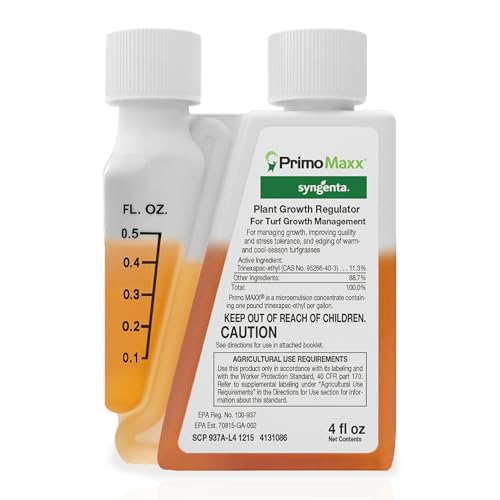
Primo Maxx Plant Growth Regulator
Useful in the management of difficult-to-mow areas and can be used to minimize the need for edging turfgrass
As an affiliate, we earn on qualifying purchases.
As an affiliate, we earn on qualifying purchases.
Frequently Asked Questions
How Do Plant Growth Regulators Differ From Nutrients?
Plant growth regulators differ from nutrients because they control hormonal signaling, influencing processes like cell division and elongation, rather than providing essential nutrients. Nutrients are absorbed to meet the plant’s basic metabolic needs, while growth regulators modify how the plant responds to environmental stimuli and internal signals. You can think of nutrients as fuel, and regulators as the directors that tell the plant how to grow and develop.
Can PGRS Be Used Safely on All Plant Types?
Think of PGR safety like a tailor-made suit—you wouldn’t wear the same one to a wedding and a workout. Not all plant types are compatible with every PGR. Before using, check plant compatibility and guidelines carefully. Research shows that improper PGR application can harm specific plants, so it’s essential to understand each plant’s needs. When used correctly, PGRs can be safe and effective for many, but not all, plants.
Are There Natural Alternatives to Synthetic Plant Growth Regulators?
Yes, there are natural alternatives to synthetic plant growth regulators. You can explore organic options like botanical extracts, which stimulate plant growth safely and effectively. These natural solutions often include substances like seaweed extract, aloe vera, or neem oil, providing eco-friendly ways to promote healthy plants. Using botanical extracts offers a sustainable method to enhance growth without relying on synthetic chemicals, ensuring your plants thrive naturally.
How Do Environmental Factors Influence PGR Effectiveness?
Environmental factors gently sway how plant growth regulators work, almost like a whisper guiding their actions. You’ll find that light intensity plays a subtle role—more light can boost PGR effectiveness—while soil composition influences nutrient availability, affecting hormone responses. When these factors align harmoniously, PGRs perform at their best, helping your plants flourish. Pay attention to these conditions, and you’ll see your plants respond beautifully to the regulators you apply.
What Are the Long-Term Impacts of PGR Use on Ecosystems?
You might not realize it, but using plant growth regulators can impact ecosystems long-term. They can disrupt ecological balance by altering plant growth patterns, which affects wildlife and other plants. Additionally, PGRs may reduce biodiversity if certain species become dominant or decline. Over time, these changes can harm ecosystem resilience. It is crucial to weigh these potential impacts and use PGRs responsibly to protect the environment and maintain ecological harmony.
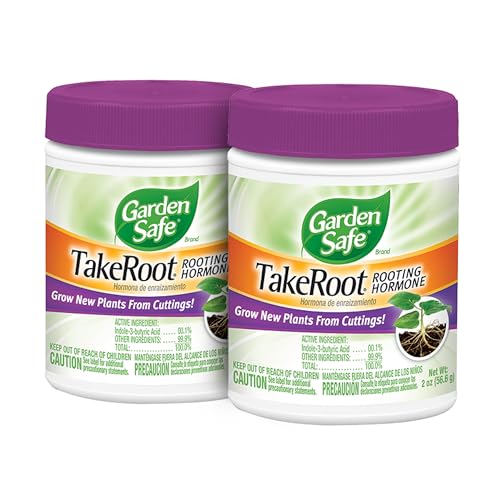
Garden Safe Brand TakeRoot Rooting Hormone, 2 Count, Powder Helps Grow New Plants from Cuttings Including Most Home, Garden and Greenhouse Varieties, 2 Pack
PROMOTES ROOTING: Rooting hormone grows new plants from cuttings
As an affiliate, we earn on qualifying purchases.
As an affiliate, we earn on qualifying purchases.
Conclusion
Understanding plant growth regulators is vital for agriculture and horticulture. Did you know that using these hormones can increase crop yields by up to 30%? By mastering their functions, you can effectively control plant development, improve flowering, and boost productivity. So, next time you see healthy, thriving plants, remember the powerful hormones working behind the scenes. Harnessing these regulators can transform your gardening or farming success, making plants grow smarter and stronger.
Genetech Synthetic Plant Growth Regulators
Synthetic Plant Growth Regulators
As an affiliate, we earn on qualifying purchases.
As an affiliate, we earn on qualifying purchases.

Houseplant Prop Drops – Propagation Promoter & Root Growth Hormone | Root Stimulator for Cuttings | Supports Stronger, Healthier Plants | Easy-to-Use Liquid Formula for Water & Soil Propagation | 8oz
🌿 SUPERCHARGE YOUR PLANT GROWTH. Make more plants from your favorites! Designed to stimulate rapid root growth, reduce…
As an affiliate, we earn on qualifying purchases.
As an affiliate, we earn on qualifying purchases.