Gibberellins are plant hormones that boost stem elongation, helping crops grow taller and stronger. They stimulate cell division and expansion, leading to improved plant height, better light capture, and increased yields. Proper application methods like foliar sprays or seed treatments, along with the right timing and dosage, maximize benefits while minimizing risks. If you want to discover how to optimize growth and quality using gibberellins, keep exploring more insights here.
Key Takeaways
- Gibberellins stimulate cell division and expansion, leading to increased stem elongation in crops.
- Application methods like foliar sprays and seed treatments effectively promote taller plant growth.
- Proper timing during early vegetative stages enhances stem elongation and overall crop height.
- Gibberellins improve plant structure, reducing lodging and increasing yield potential.
- Excessive or improper use can disrupt growth balance; follow recommended guidelines for optimal results.

Gibberellic Acid 90%+ for Plants 26g GA3, .15ml Measuring Spoon, Instructions, 232 pg Plant Bible ebook & The Gibberellic Advantage on Request
gibberellic acid for plants 26g GA3 .15ml measuring spoon, instructions, 232 pg plant bible, & The Gibberellic Advantage…
As an affiliate, we earn on qualifying purchases.
As an affiliate, we earn on qualifying purchases.
Understanding Gibberellins and Their Role in Plant Growth
Have you ever wondered how plants grow taller and develop their fruits and flowers? It all comes down to plant hormones like gibberellins, which play a key role in crop enhancement. Gibberellins are naturally occurring chemicals that regulate various growth processes, especially stem elongation, seed germination, and flowering. When these hormones are present in the right amounts, they signal cells to divide and expand, leading to taller plants with better fruit and flower production. Understanding how gibberellins work helps farmers and scientists manipulate plant growth for improved yields. By harnessing this plant hormone, you can boost crop performance and ensure healthier, more vigorous plants. It’s a crucial tool in modern agriculture aimed at maximizing productivity and quality. Additionally, research on plant hormone regulation continues to advance, opening new possibilities for sustainable crop management. Exploring growth promotion techniques offers further insights into optimizing plant development for agricultural success, including methods such as gibberellin application to enhance crop height and yield.

Foliar Fertilizer Spray – Fast Nutrient Absorption for Greener Leaves & Faster Growth (16 oz)
Helps Support Healthy Growth – Supports foliage development and plant vitality.
As an affiliate, we earn on qualifying purchases.
As an affiliate, we earn on qualifying purchases.
How Gibberellins Promote Stem Elongation

Gibberellins actively stimulate stem elongation by promoting cell division and expansion within the plant’s tissues. They work by activating specific genes involved in growth processes, often mimicked naturally by plant’s own growth regulators. In agriculture, scientists use genetic modification to enhance gibberellin production in crops, leading to taller, more vigorous plants. These natural growth regulators influence the plant’s hormone balance, encouraging longer stems. When gibberellins are present in sufficient amounts, they trigger cell elongation, resulting in increased height. This process is crucial for crop yield and quality. Additionally, understanding the hormone balance involved in plant growth helps optimize the application of gibberellins for better results. Proper application techniques are essential to ensure effective growth promotion and avoid negative effects such as overly tall or weak plants. Recognizing how environmental factors impact gibberellin activity can further improve crop management strategies.
seed treatment gibberellins
As an affiliate, we earn on qualifying purchases.
As an affiliate, we earn on qualifying purchases.
The Application Methods of Gibberellins in Agriculture
To effectively harness the growth-promoting power of gibberellins, farmers and researchers utilize various application methods tailored to specific crops and desired outcomes. Two common methods are foliar sprays and seed treatments. Foliar sprays involve applying gibberellins directly onto the leaves, allowing quick absorption and rapid stimulation of growth. This method is suitable for short-term growth boosts and correcting deficiencies. Seed treatments, on the other hand, involve coating seeds with gibberellins before planting, promoting early germination and uniform seedling development. Both methods require precise timing and dosage to avoid over-application, which could cause unwanted stretching or other issues. Understanding the application methods can help optimize crop yields and quality. Additionally, monitoring application timing ensures that gibberellins are used effectively at the most beneficial growth stages. Selecting the appropriate application method depends on crop type, growth stage, and the targeted growth response. Proper dosage control is essential to maximize benefits and minimize potential negative effects.
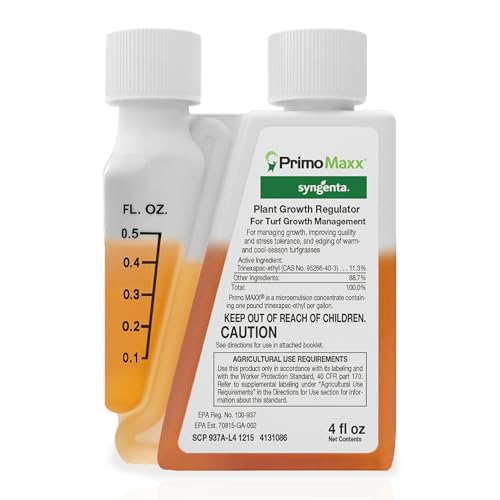
Primo Maxx Plant Growth Regulator
Useful in the management of difficult-to-mow areas and can be used to minimize the need for edging turfgrass
As an affiliate, we earn on qualifying purchases.
As an affiliate, we earn on qualifying purchases.
Benefits of Using Gibberellins for Crop Yield and Quality

Using gibberellins can considerably boost your crop’s overall performance. They promote taller plants, better fruit development, and higher-quality harvests. These benefits can lead to increased yields and improved market value for your produce. Additionally, understanding the role of plant hormones can help optimize their application for maximum effectiveness. Proper application of gibberellins can also influence plant growth regulation, leading to more uniform and predictable crop development.
Enhanced Plant Height
Enhanced plant height is a key benefit of applying gibberellins, as it promotes vigorous stem growth and improves overall crop stature. As a plant hormone, gibberellins directly influence stem development, making plants taller and more robust. When you use gibberellins, you encourage cells in the stem to elongate, resulting in increased height and better structural support. This enhanced stature can improve light capture, boosting photosynthesis and overall plant health. Taller crops often lead to higher yields, as they can better compete for resources. Additionally, improved stem development can reduce lodging, minimizing crop loss. By optimizing plant height through gibberellin application, you enhance both crop appearance and productivity, making it a valuable tool for achieving better yield and crop quality. Both the benefits of gibberellins and their effects on plant hormones demonstrate their importance in crop management strategies. Moreover, understanding the growth regulation effects of gibberellins can help in tailoring treatments for specific crop needs.
Improved Fruit Development
Applying gibberellins not only promotes taller, sturdier plants but also directly benefits fruit development, leading to higher crop yields and better quality. These hormones enhance fruit size, uniformity, and ripening, making crops more marketable. In drought conditions, gibberellins help plants maintain growth and fruit set, even when water is limited. This resilience reduces yield loss and improves overall productivity. Additionally, gibberellins are increasingly used in organic farming, supporting natural growth processes without synthetic chemicals. By stimulating cell expansion and division, they contribute to larger, more nutritious fruits. When utilized properly, gibberellins optimize fruit development, ensuring better harvests and improved crop quality, regardless of environmental stresses. This makes them a valuable tool for farmers aiming for consistent, high-quality yields. Best solar panels for off-grid living offer reliable options for sustainable crop production in remote areas. Moreover, understanding the environmental stress factors that can hinder plant growth helps in applying gibberellins more effectively to achieve optimal results.
Increased Harvest Quality
Gibberellins play a crucial role in increasing harvest quality by improving both the size and appearance of fruits and crops. As a plant hormone, they enhance crop enhancement efforts, resulting in higher market value. When applied correctly, gibberellins can produce larger, more uniform produce, boosting consumer appeal. To understand their impact, consider this table:
| Aspect | Effect | Benefit |
|---|---|---|
| Fruit Size | Larger, plump fruits | Higher market value |
| Visual Appeal | Improved coloration and shape | Increased consumer interest |
| Crop Uniformity | Consistent growth across plants | Simplifies harvesting |
Additionally, proper application of gibberellins can optimize space and organization in crop management, leading to more efficient harvesting and resource use. Utilizing plant hormone regulation strategies can further enhance crop performance and yield consistency. Moreover, understanding the types of gibberellins available can help tailor treatments for specific crops and desired outcomes.
Optimal Timing and Dosage for Gibberellin Treatments
To get the best results with gibberellin treatments, you need to time your applications carefully and use the right amount. Knowing the ideal dosage levels helps prevent waste and potential crop damage. Additionally, following proper application frequency ensures you maintain the benefits without overusing the hormone. Monitoring gibberellins for sale can help you choose the most effective products for your needs. Proper application also involves understanding fatherhood as a role that emphasizes guidance and support, which can be metaphorically related to nurturing crops through correct hormone use. Incorporating architectural solutions insights can also inspire innovative ways to optimize your treatment protocols for better crop performance.
Timing for Best Results
Timing is crucial to maximize the effectiveness of gibberellin treatments, as applying them at the right growth stage can considerably influence plant response. To achieve ideal results, you should consider when gibberellin synthesis naturally occurs in your crops, usually during early stem elongation. Applying treatments during this period enhances stem growth effectively. Environmental influences, like temperature, light, and water availability, also impact the plant’s response to gibberellins. For example, warmer temperatures can accelerate gibberellin production, making treatments more effective if timed accordingly. Conversely, stress conditions may delay or hinder gibberellin synthesis, so you should monitor environmental cues closely. Proper timing ensures you stimulate maximum stem elongation without risking overstimulation or unnecessary resource use. Additionally, understanding the role of plant hormones like auxins can help optimize treatment timing for better growth responses.
Optimal Dosage Levels
Finding the right dosage of gibberellins is vital for maximizing their benefits without causing harm. Precise dosage ensures healthy stem elongation and prevents overgrowth or adverse effects. To achieve ideal results, focus on dosage precision and application timing, which are fundamental factors.
- Adjust the amount based on crop type and growth stage for better efficacy
- Use recommended concentrations to avoid excessive elongation or stress
- Apply treatments during specific growth phases for maximum impact
Application Frequency Guidelines
When should you apply gibberellins to achieve the best results? Timing is vital. Apply treatments during early vegetative stages for maximum stem elongation, avoiding stress periods like drought or pest outbreaks. Use soil amendments beforehand to improve uptake, and coordinate with pest management to prevent damage that could hinder growth. Frequency depends on crop type and growth conditions. For most crops, a second application after two to three weeks boosts effectiveness.
| Application Timing | Dosage Frequency | Key Considerations |
|---|---|---|
| Early vegetative | Every 2-3 weeks | Avoid stress, pests, and poor soil |
| Mid-growth | As needed | Adjust based on crop response |
| Pre-flowering | Minimal | Prevent excessive elongation |
Effects of Gibberellins on Different Types of Crops

Gibberellins play a significant role in enhancing crop growth and development across various plant species. They influence stem elongation, flowering, and fruit development, with effects differing among crops. For example, in rice and wheat, gibberellins promote taller plants and higher yields. In grapes and apples, they improve fruit size and quality. Some crops benefit from genetic modification to optimize gibberellin response, boosting growth efficiency. Additionally, gibberellin application can enhance pest resistance by strengthening plant structures. You may also see increased tolerance to environmental stresses. Overall, gibberellins offer versatile benefits tailored to specific crops, making them valuable tools in agriculture. Their effects support healthier, more productive plants, whether through natural processes or genetic improvements.
Potential Risks and Precautions When Using Gibberellins
While gibberellins offer many benefits for crop growth, their use also carries potential risks that farmers and researchers must consider. One major concern is environmental impact; excessive application can lead to unintended effects on non-target plants, soil health, and nearby ecosystems. Overuse may cause imbalances in local biodiversity and disrupt natural growth cycles. Additionally, regulatory considerations are vital, as gibberellins are subject to strict guidelines in many regions. Improper use or unapproved formulations can result in legal penalties or crop rejection during export. To minimize risks, follow recommended dosages, adhere to local regulations, and monitor environmental conditions closely. Being cautious guarantees you maximize benefits while safeguarding ecosystems and complying with legal standards.
Future Perspectives on Gibberellin Use in Sustainable Farming
Advancements in research and technology are paving the way for more sustainable applications of gibberellins in agriculture. You’ll see growing interest in integrating genetic modification to enhance crop responses while reducing chemical reliance. Future strategies also focus on developing organic alternatives, making gibberellin use more eco-friendly. These innovations aim to optimize crop growth without harmful impacts, aligning with sustainable farming goals. You might expect increased use of bio-based compounds that mimic gibberellins or natural extracts that promote elongation. Additionally, precision application techniques will minimize waste and improve efficiency. As research progresses, you’ll benefit from tailored solutions that support productivity, environmental health, and consumer demands for organic produce. These developments promise a more sustainable, adaptable future for gibberellin use in global agriculture.
Frequently Asked Questions
Are Gibberellins Safe for Organic Farming Practices?
You might wonder if gibberellins are safe for organic farming practices. Since organic certification requires natural alternatives and prohibits synthetic substances, using gibberellins isn’t typically allowed because they are plant hormones produced chemically or through fermentation. For organic growers, it’s best to explore natural alternatives like compost teas or botanical extracts to promote plant growth. Always check with certifying bodies to guarantee your methods meet organic standards.
How Do Environmental Conditions Affect Gibberellin Effectiveness?
You might find that environmental conditions markedly impact gibberellin effectiveness. Studies show that even slight temperature fluctuations can reduce their ability to promote stem elongation by up to 30%. When environmental stress occurs, like drought or extreme temperatures, gibberellins may become less effective or cause uneven growth. You should carefully monitor and manage these factors to maximize the benefits of gibberellins in crop production.
Can Gibberellins Be Used to Control Plant Height?
You can use gibberellins to control plant height, but it’s complex. By adjusting hormonal balance, you influence growth, making plants taller or shorter. Genetic modification can help fine-tune gibberellin production, giving you precise control over plant stature. However, environmental factors also play a role, so managing these alongside hormonal treatments ensures ideal results for desired plant heights.
What Are the Economic Costs of Gibberellin Applications?
Thinking about the costs of gibberellin applications, you’ll find it’s a balancing act. A thorough cost analysis shows that while these hormones can boost crop yields and market impact, they also come with hefty expenses, from production to application. You might say it’s like putting all your eggs in one basket. Ultimately, weighing the benefits against the economic costs helps you make smarter decisions for sustainable farming.
Are There Alternative Growth Regulators for Stem Elongation?
You might consider natural growth regulators like cytokinins or auxins as alternatives to synthetic plant hormones. These natural options can promote stem elongation without relying solely on gibberellins. Alternatively, some synthetic hormones, such as brassinosteroids, also encourage growth. By exploring these options, you can choose a growth regulator that suits your crop’s needs, potentially reducing costs and environmental impact while achieving desired elongation results.
Conclusion
By using gibberellins wisely, you can substantially boost your crop’s stem growth and yield. Did you know that treated crops can grow up to 30% taller, leading to higher harvests? Just remember to follow proper application methods and timing to avoid potential risks. With careful use, gibberellins become a powerful tool for sustainable farming, helping you maximize productivity while maintaining crop quality and health.