
TL;DR
Meteorologists forecast a significant El Niño event for 2026, potentially leading to extreme weather worldwide. The prediction is based on climate models indicating a super El Niño, raising concerns for agriculture, water resources, and disaster preparedness.
Scientists are predicting a super El Niño event for 2026, which could have widespread impacts on global weather patterns. The forecast, based on advanced climate models, indicates that this El Niño could be among the strongest observed in recent decades, prompting warnings from climate experts about potential disruptions to agriculture, water supplies, and disaster preparedness worldwide.
The forecast was issued by leading climate research centers, including the National Oceanic and Atmospheric Administration (NOAA), which states that there is a high probability of a strong El Niño developing in 2026. This prediction is based on current sea surface temperature trends in the Pacific Ocean, which are showing signs consistent with the onset of a super El Niño, typically characterized by sea surface temperatures exceeding 2.0°C above average.
While the exact strength and duration of the event remain uncertain, climate models suggest that the 2026 El Niño could resemble or surpass previous strong events, such as the 2015-2016 El Niño, which caused severe droughts, flooding, and heatwaves across multiple continents. Experts emphasize that early indicators point to an increased likelihood of above-normal global temperatures and altered weather patterns during the coming year.
Impacts of the 2026 Super El Niño on Global Climate
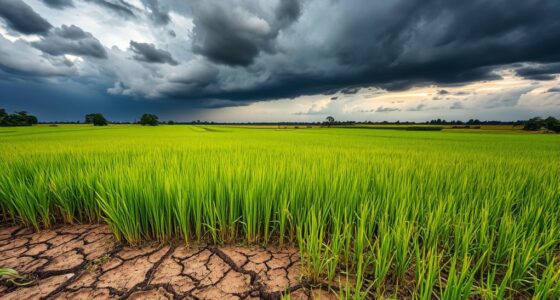
The forecast of a super El Niño in 2026 is significant because such events are linked to extreme weather worldwide, including intense storms, droughts, and heatwaves. These conditions can have serious consequences for agriculture, water security, and disaster response efforts. Governments and organizations are urged to prepare for potential disruptions, especially in vulnerable regions prone to climate-related hazards.
Moreover, a strong El Niño could accelerate global temperature increases, complicating efforts to meet climate change mitigation targets. The event may also influence hurricane activity in the Atlantic and Pacific basins, with potential increases in storm intensity and frequency.

waterBOB Bathtub Emergency Water Storage Bladder Up To 100 Gallon Capacity – Food Grade Liner with Hand Pump for Hurricane and Disaster Preparedness – BPA Free Drinking Water Container
Space-Saving Up To 100-Gallon Emergency Water Storage: Transform your existing bathtub into a clean, safe water storage system…
As an affiliate, we earn on qualifying purchases.
As an affiliate, we earn on qualifying purchases.
Historical Patterns and Recent Forecasting Advances
El Niño events are periodic climate phenomena characterized by warming of sea surface temperatures in the central and eastern tropical Pacific Ocean. Historically, super El Niño events have occurred roughly every 15-20 years, with notable examples in 1982-83, 1997-98, and 2015-16. These events have been associated with significant global weather disruptions.
Recent advances in climate modeling and satellite observations have improved the ability of scientists to forecast El Niño conditions well in advance. The current prediction for 2026 builds on these technological improvements, with climate centers monitoring sea surface temperature anomalies, atmospheric patterns, and oceanic heat content to assess the likelihood of a super El Niño.
“The models are indicating a high probability of a very strong El Niño forming in 2026, which could have far-reaching impacts on global weather patterns.”
— Dr. Jane Smith, NOAA Climate Scientist
solar-powered weather radios
As an affiliate, we earn on qualifying purchases.
As an affiliate, we earn on qualifying purchases.
Forecast Confidence and Factors Influencing Development
While the forecast indicates a high likelihood of a super El Niño in 2026, there remains uncertainty about its exact strength, timing, and duration. Variations in oceanic and atmospheric conditions could alter the development trajectory, and climate models have inherent limitations in predicting such complex phenomena several years in advance.
Scientists caution that early predictions should be viewed as indicative rather than definitive, and ongoing monitoring is essential for refining forecasts as the year progresses.
portable emergency generators
As an affiliate, we earn on qualifying purchases.
As an affiliate, we earn on qualifying purchases.
Monitoring and Preparedness Measures for 2024-2026
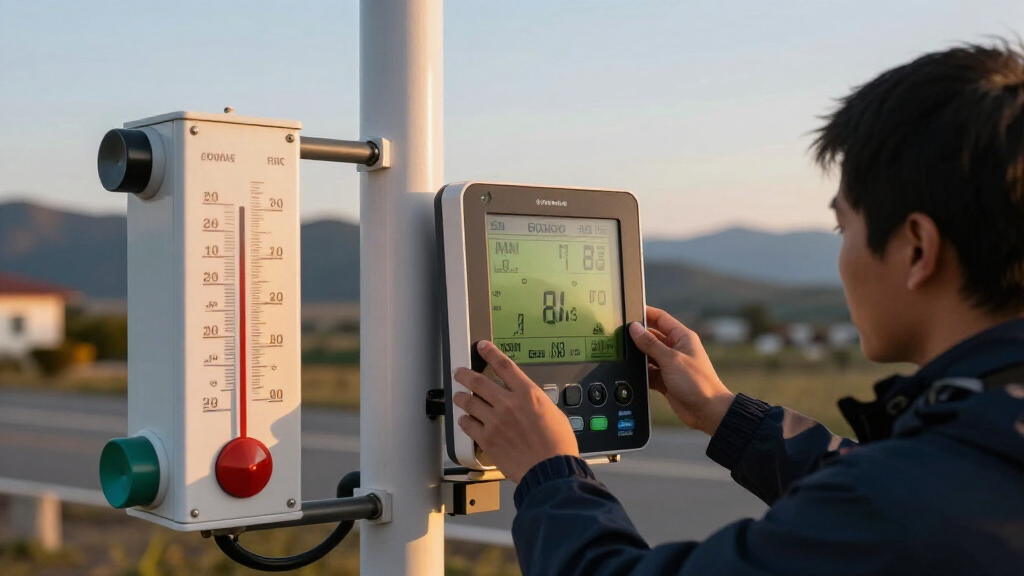
Climate agencies will continue to monitor sea surface temperatures, atmospheric patterns, and oceanic heat content over the coming months to refine the forecast. As 2024 progresses, updates on the likelihood and potential strength of the 2026 El Niño will be issued.
Officials in vulnerable regions are advised to review disaster preparedness plans, strengthen water resource management, and prepare for potential extreme weather events associated with a super El Niño. International cooperation may also increase to mitigate impacts on agriculture, infrastructure, and emergency response systems.

Emergency Survival Kit for Hurricane, Storm, Tornado, El Niño Preparedness
Prepare Now for the 2026 El Niño Storm Season: El Niño pushes storms closer to the U.S. coast,…
As an affiliate, we earn on qualifying purchases.
As an affiliate, we earn on qualifying purchases.
Key Questions
What is a super El Niño?
A super El Niño is an exceptionally strong phase of the El Niño climate phenomenon, characterized by sea surface temperature anomalies exceeding 2.0°C above average in the central and eastern Pacific Ocean, often leading to severe global weather impacts.
How certain are scientists about the 2026 forecast?
While current climate models strongly suggest a significant El Niño in 2026, there is still some uncertainty regarding its exact strength and timing. Ongoing monitoring will help refine these predictions over the next year.
What regions are most at risk from a super El Niño?
Regions most vulnerable include parts of North and South America, Africa, Australia, and Southeast Asia, where extreme droughts, floods, and heatwaves could occur, impacting agriculture, water supplies, and infrastructure.
How can governments prepare for this event?
Authorities are encouraged to review and update disaster preparedness plans, improve water management, and coordinate international efforts to mitigate the potential impacts of a super El Niño.
Could climate change influence the strength of the 2026 El Niño?
Yes, climate change may amplify the effects of El Niño events, potentially making future events more intense or frequent. However, the specific influence on the 2026 forecast remains under study.
Source: google-trends