Digital agriculture can considerably lower your input costs by providing real-time data and precision tools that help you target resources like water, fertilizers, and pesticides more efficiently. By using sensors, GPS-guided machinery, and data analytics, you can minimize waste and avoid over-application, ultimately saving money while protecting the environment. If you want to discover how these innovative methods can transform your farming practices, keep exploring the possibilities.
Key Takeaways
- Digital agriculture enables targeted input application, reducing waste of fertilizers, pesticides, and water.
- Data analytics optimize resource use, lowering overall input costs through precise decision-making.
- Real-time monitoring allows prompt interventions, preventing crop losses and unnecessary input expenses.
- Sensors and GPS-guided tools improve efficiency, decreasing input overuse and environmental impact.
- Digital content and tools support sustainable practices, further reducing costs and enhancing farm productivity.
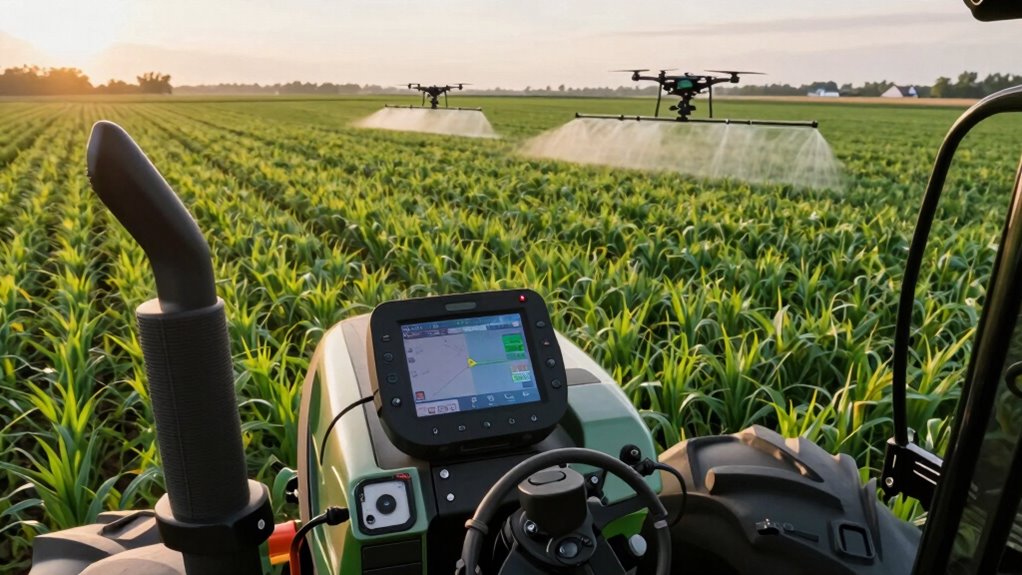
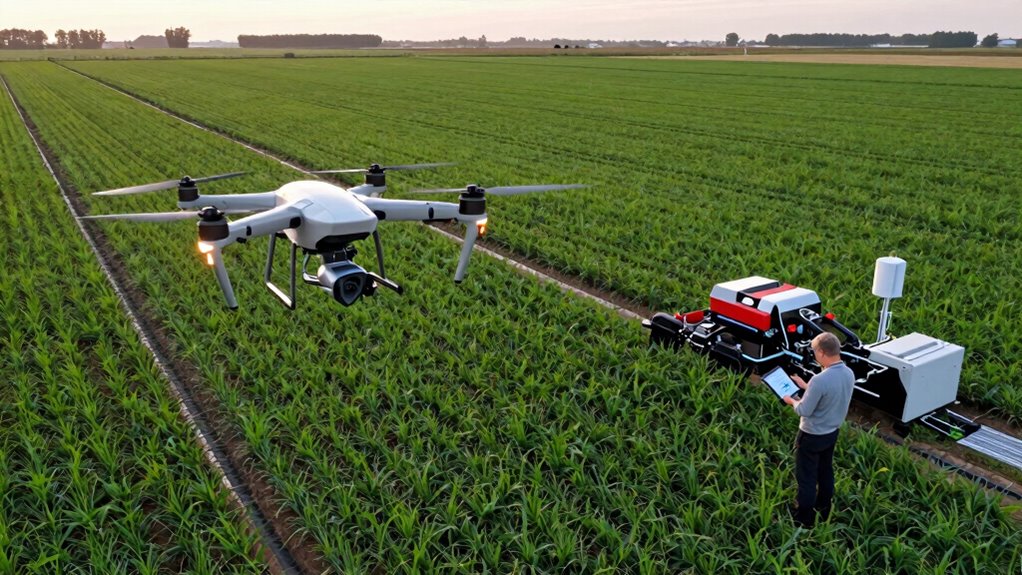
Digital agriculture is transforming how farmers manage input costs by providing real-time data and precision tools. With advancements in technology, you can now make more informed decisions about planting, fertilizing, and watering your crops. This shift towards digital solutions enables you to optimize resource use, reduce waste, and ultimately lower expenses. One of the key aspects driving these improvements is precision farming, which involves applying inputs exactly where and when they’re needed. By leveraging GPS-guided machinery and sensors, you can target specific areas of your fields, avoiding over-application of fertilizers, pesticides, and water. This not only cuts costs but also minimizes environmental impact.
Digital tools enable precise input application, cutting costs and reducing environmental impact through targeted farming techniques.
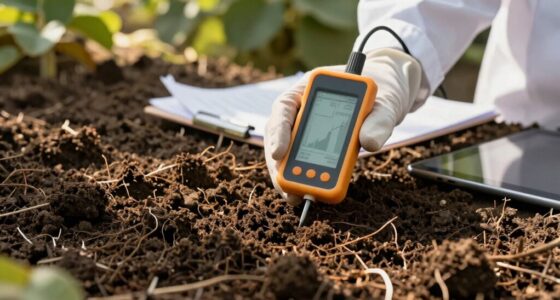
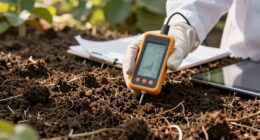
Data analytics plays a vital role in this process. As you collect vast amounts of data from your fields—such as soil health, moisture levels, and crop growth stages—you gain detailed insights into your farm’s unique conditions. Data interpretation tools help you interpret this information, revealing patterns and trends that might otherwise go unnoticed. With these insights, you can fine-tune your input strategies to maximize efficiency. For example, instead of blanket fertilization, you can apply nutrients only where needed, reducing waste and saving money. Over time, analyzing historical data helps you predict future needs more accurately, further refining your input management and lowering costs.
Using digital agriculture tools, you’re empowered to make proactive decisions rather than reactive ones. When weather forecasts indicate an upcoming rain, you can adjust irrigation schedules accordingly, saving water and energy. Similarly, real-time monitoring of crop health with aerial imagery or soil sensors allows you to address issues promptly, avoiding costly crop losses or excessive chemical use. This proactive approach not only reduces input costs but also enhances crop yields and quality. Incorporating digital content into your farm management strategies can further enhance your understanding and application of these technologies, helping you stay ahead of challenges and improve overall farm efficiency. Additionally, adopting digital tools can improve the sustainability of your farming practices by optimizing resource use and reducing environmental impact.

MYACUC Tractor GPS Navigator for Precision Farming, GNSS Agricultural Farming Navigator with 9" Touch Screen Suitable for Spraying Plowing and Sowing Farmland Activities Automatic Positioning
SMART GNSS GUIDANCE & AB LINE PLANNING – Set your field boundary and working width, and the system…
As an affiliate, we earn on qualifying purchases.
As an affiliate, we earn on qualifying purchases.
Frequently Asked Questions
How Does Digital Agriculture Impact Smallholder Farmers Differently?
Digital agriculture impacts smallholder farmers by empowering you with better information and decision-making tools. Technology accessibility allows you to access weather forecasts, market prices, and pest alerts, which can reduce input costs and improve yields. You gain confidence and control over your farming practices, leading to increased productivity. However, the benefits depend on how easily you can access and adopt these digital tools, making farmer empowerment essential for widespread positive impact.
What Are the Initial Investment Costs for Digital Agriculture Tools?
Think of the initial investment costs for digital agriculture tools as planting seeds—they can seem high at first, but they grow into savings over time. These costs vary depending on the technology adopted, like sensors or GPS systems, but generally include hardware, software, and training. While upfront expenses might seem steep, they often lead to significant cost reduction in inputs, making technology adoption a smart investment for long-term farm efficiency.
Can Digital Agriculture Replace Traditional Farming Practices Entirely?
Digital agriculture can’t completely replace traditional farming practices. You still rely on hands-on techniques, but tools like automated machinery and drone surveillance enhance your efforts. These technologies improve precision, reduce labor, and optimize resource use. While they supplement your methods, the core practices of planting, tending, and harvesting remain essential. Embracing digital tools allows you to work more efficiently without fully abandoning traditional skills.
How Secure Is Data Collected Through Digital Agricultural Systems?
You might be surprised to learn how secure data collected through digital agricultural systems really is. While data privacy concerns exist, robust cybersecurity measures are in place to protect your information from breaches. Farms and tech providers continuously update security protocols, making unauthorized access unlikely. So, you can confidently rely on digital tools to optimize your operations, knowing your data remains safe and private, thanks to advanced cybersecurity efforts.
What Training Is Needed for Farmers to Adopt Digital Agriculture Technologies?
To adopt digital agriculture technologies, you need proper farmer education focused on technology adoption. This includes training on using new tools, understanding data management, and troubleshooting devices. You should participate in workshops, online courses, or hands-on demonstrations that build your confidence and skills. Continuous learning helps you stay updated on innovations, making technology integration smoother and more effective, ultimately improving your farm’s productivity and efficiency.
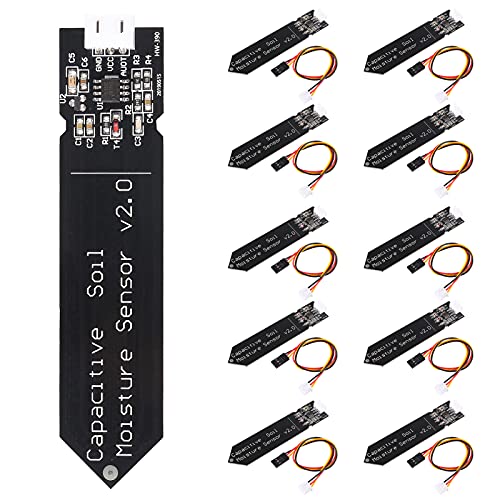
AITRIP 10 Pack Capacitive Soil Moisture Sensor Corrosion Resistant for Arduino Moisture Detection Garden Watering DIY Electronic for Arduino and Raspberry Pi (10PCS)
This capacitive soil moisture sensor is distinguished from most resistive sensors on the market and uses capacitive sensing…
As an affiliate, we earn on qualifying purchases.
As an affiliate, we earn on qualifying purchases.
Conclusion
As you embrace digital agriculture, you hold the key to revealing a future where input costs diminish like the dawn dispelling night. Just as the sun’s first light reveals new horizons, technology illuminates smarter, more efficient farming practices. By harnessing digital tools, you sow seeds of sustainability and hope, transforming your fields into symbols of innovation. Ultimately, your willingness to adapt becomes the compass guiding agriculture toward a brighter, more affordable tomorrow.

Precision Planter and Fertilizer Applicator for Use on Experimental Plots
As an affiliate, we earn on qualifying purchases.
As an affiliate, we earn on qualifying purchases.

3Pcs Without Data It's Just An Opinion Sticker Science Data Analytics Gift for Scientists Analysts It's Just An Opinion Stickers Blue Collar Car Decal for Laptop Water Bottle Toolbox Phone Case 3"
PERFECT FOR PERSONALIZING: Decorate your Car, Hard Hat, Helmet, Water Bottle, Tumbler, Cup, Laptop, Guitar, Cars, Bumper, Motorcycle,…
As an affiliate, we earn on qualifying purchases.
As an affiliate, we earn on qualifying purchases.