
Catalysts speed up chemical reactions by offering an alternative pathway that requires less activation energy. They work by lowering the energy barrier, making it easier for reactants to transform into products. This allows reactions to happen faster and more efficiently without being consumed in the process. Enzymes, a type of biological catalyst, achieve this in the body. Keep exploring to understand how these powerful molecules make life possible at rapid speeds.
Key Takeaways
- Catalysts lower the activation energy required for a reaction to proceed.
- They provide an alternative pathway with a lower energy barrier.
- Catalysts stabilize the transition state, making it easier for reactants to convert.
- They increase reaction rates without being consumed in the process.
- Enzymes, a type of biological catalyst, specifically accelerate biochemical reactions efficiently.
Have you ever wondered how some chemical reactions happen so much faster than others? The secret lies in how catalysts work to lower the activation energy needed to start a reaction. Enzymes, a special type of biological catalyst, are essential in speeding up countless processes within your body. Their function is to provide an alternative pathway for reactions, which requires less energy to get going. When activation energy is high, reactions proceed slowly or may not happen at all under normal conditions. But enzymes reduce this energy barrier, allowing reactions to occur more rapidly and efficiently.
Think about it this way: without a catalyst, your body’s biochemical reactions might take hours or even days to complete. Enzymes step in and dramatically accelerate these processes, making indispensable functions like digestion, energy production, and DNA replication possible within seconds or minutes. They achieve this by binding to specific molecules, known as substrates, at their active sites. This binding stabilizes the transition state—the high-energy, fleeting arrangement of atoms that occurs during a reaction—thus lowering the activation energy. As a result, the energy difference between the reactants and the transition state becomes smaller, and the reaction can proceed more easily.
You might wonder how enzymes are so selective in their function. The answer lies in their specific active sites, which are perfectly shaped to fit particular substrates. This specificity ensures that enzymes only catalyze targeted reactions, increasing the overall efficiency of your body’s metabolic pathways. When the enzyme binds to its substrate, it induces a conformational change that facilitates the transformation into products. Once the reaction completes, the enzyme releases the products unchanged, ready to catalyze another reaction.

Innovating Science – Introduction to Enzyme Catalyzed Reactions
Students perform a series of four experiments involving invertase, amylase and papain, demonstrating different enzyme functions, activities and…
As an affiliate, we earn on qualifying purchases.
As an affiliate, we earn on qualifying purchases.
Frequently Asked Questions
Can Catalysts Be Used up in a Reaction?
You’ll be glad to know that catalysts aren’t used up in reactions because of their stability. They remain unchanged after the process, allowing them to facilitate multiple reactions. Their reaction specificity ensures they only target particular pathways, maintaining efficiency. So, you can reuse catalysts repeatedly without worrying about depletion, making them cost-effective and reliable tools in chemical processes. This stability and specificity are what make catalysts valuable in many reactions.
Do Catalysts Work for All Types of Chemical Reactions?
Not all chemical reactions benefit from catalysts, but many do, especially those involving enzymes. You’ll find that enzyme specificity ensures catalysts work only for certain reactions, providing high catalyst selectivity. This means a catalyst’s effectiveness depends on matching the reaction’s needs. While catalysts are versatile, their efficiency varies, so it’s crucial to select the right one for each reaction to optimize speed and outcome.
How Do Biological Catalysts Differ From Chemical Catalysts?
Biological catalysts, known as enzymes, differ from chemical catalysts through their enzyme specificity, which means they target specific reactions. You’ll find that enzymes use a catalyst mechanism involving active sites, where substrates bind precisely, lowering activation energy efficiently. Unlike chemical catalysts, enzymes are highly selective, often working in mild conditions, making them essential for biological processes. Their unique structure ensures they catalyze only particular reactions, increasing reaction speed without being consumed.
Are Catalysts Affected by Temperature Changes?
You might wonder if temperature changes affect catalysts. The answer is yes—enzyme efficiency depends on temperature; too high or low, and the catalyst’s activity drops. Temperature dependence plays an essential role, as ideal conditions maximize reaction speed. Pushing beyond that point risks denaturing enzymes, halting progress. So, keep temperatures just right, or you’ll lose the catalyst’s magic, preventing reactions from reaching their full speed.
Can Catalysts Be Recycled or Reused Indefinitely?
Yes, catalysts can be reused multiple times, but their longevity depends on proper handling and reaction conditions. Over time, they may lose effectiveness due to fouling or poisoning, which affects reuse efficiency. To maximize their lifespan, you should regularly clean and maintain catalysts, and avoid extreme temperatures or contaminants that can degrade them. With good care, you can extend their usability, making them a cost-effective and sustainable choice in many reactions.

Catalyst Manufacture: Laboratory and Commercial Preparations (Chemical Industries)
As an affiliate, we earn on qualifying purchases.
As an affiliate, we earn on qualifying purchases.
Conclusion
Now that you know how catalysts speed up reactions by lowering activation energy, imagine the difference they make. Without catalysts, reactions crawl along, slow and inefficient; with them, they race ahead, swift and powerful. It’s like giving your reactions a turbo boost, transforming sluggish processes into rapid outcomes. So next time you see a catalyst in action, remember: they’re the secret speed demons behind many essential chemical reactions, turning the slow into the swift with just a touch.

From Enzyme Models to Model Enzymes
As an affiliate, we earn on qualifying purchases.
As an affiliate, we earn on qualifying purchases.
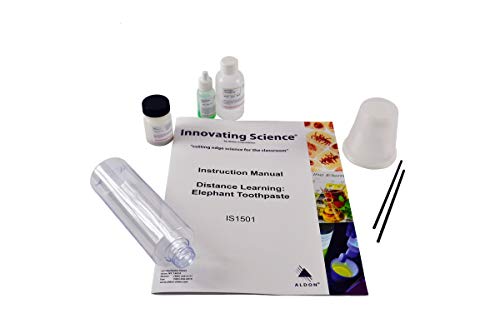
Innovating Science Elephant Toothpaste: Explore Catalysts, Chemical Reactions & Phase Changes – Chemistry Demonstration Distance Learning Kit
MAKE YOUR OWN ELEPHANT TOOTHPASTE || Chemistry demonstration kit designed for elementary level learners and introduces catalysts, phase…
As an affiliate, we earn on qualifying purchases.
As an affiliate, we earn on qualifying purchases.