Plants, chemicals, and industry all rely on oxidizing agents—discover their vital roles and why they matter in chemistry.
Browsing Category
Chemistry Explained (Q&A Style)
97 posts
Homogenizers Explained for New Lab Users
Ineffective use of homogenizers can compromise your results; learn how to choose and operate them properly for successful experiments.
How Does Activated Carbon Remove Impurities?
By attracting and trapping contaminants through its porous surface, activated carbon’s effectiveness depends on its structure—discover how it works in detail.
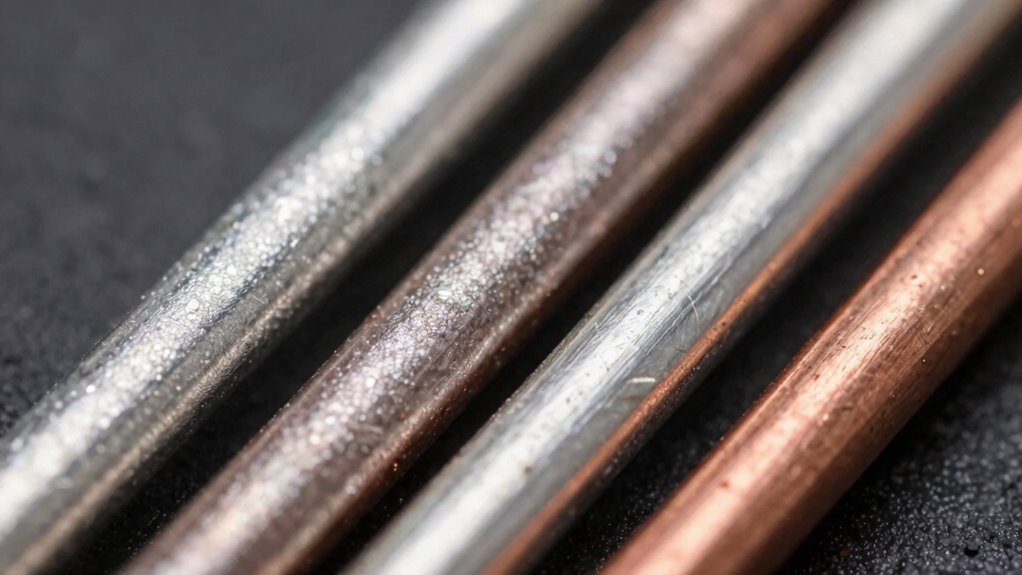
Why Do Some Metals Conduct Better Than Others?
Just how free electrons and crystal structures influence metal conductivity remains a fascinating topic worth exploring further.
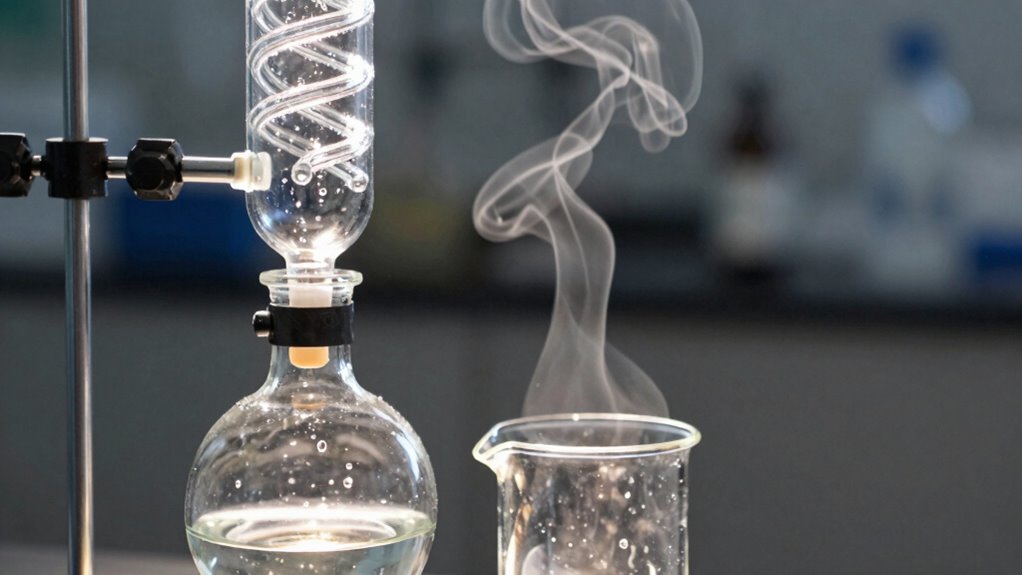
How Does Distillation Separate Liquids?
Much like a precise dance of heat and cooling, distillation expertly separates liquids, but the secrets behind its efficiency are worth exploring further.
What Makes Water Such a Powerful Solvent?
Inequalities in water’s molecular structure enable it to dissolve countless substances, but the full explanation reveals even more fascinating details.
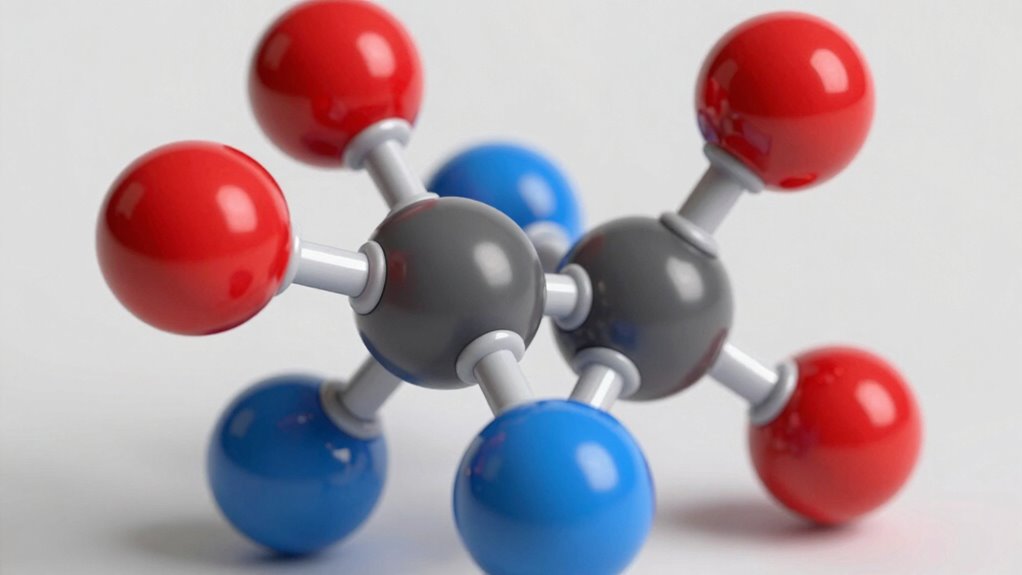
Why Are Some Molecules Polar?
Just understanding molecular shape and bond differences can reveal why some molecules are polar, and the reasons might surprise you.
How Do Indicators Know When to Change Color?
Just like chemical detectives, indicators change color by detecting shifts in molecular structure, revealing secrets about the environment’s pH and conditions.
Why Does Salt Melt Ice on Roads?
When salt is spread on icy roads, it lowers the water’s freezing…
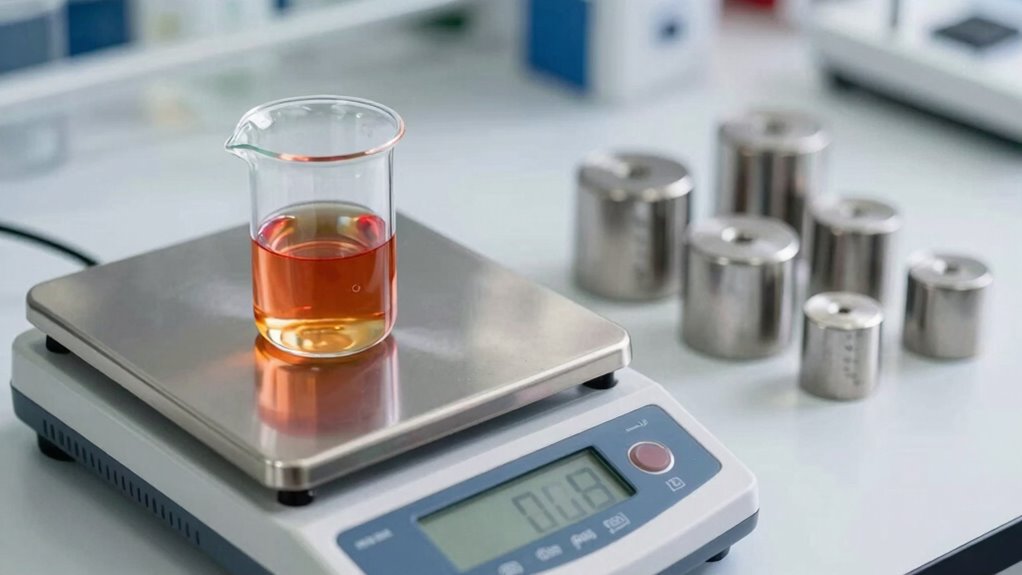
What Is the Difference Between Mass and Weight in Chemistry?
Understanding the difference between mass and weight in chemistry reveals how gravity influences what we measure and why it matters in science and daily life.