
TL;DR

Get school and study supplies delivered free — and shop member deals
- Fast, free delivery on millions of items
- Access to Prime Big Deal Days deals on October 6–7
- Prime Video, Amazon Music and more included
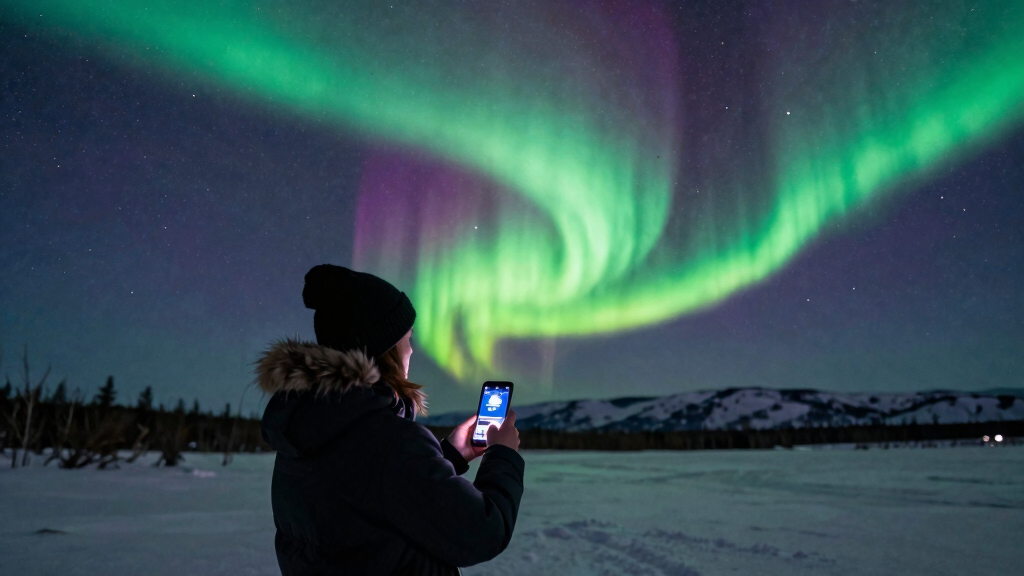
A solar storm is predicted to increase aurora borealis activity, with the Northern Lights potentially visible in parts of the northern United States before July 4. This development is confirmed by space weather forecasts and could offer a rare viewing opportunity.
A solar storm is anticipated to boost aurora borealis activity, making the Northern Lights potentially visible in northern U.S. states such as Montana, North Dakota, Minnesota, and parts of Michigan before the July 4 holiday. This phenomenon is driven by space weather forecasts and could provide a rare viewing opportunity for residents and tourists.
The National Oceanic and Atmospheric Administration (NOAA) has issued alerts indicating increased geomagnetic activity due to a solar storm impacting Earth’s magnetosphere. Forecasters predict that the aurora borealis could be visible at lower latitudes than usual, especially in northern states, between July 2 and July 4.
Experts from NOAA and space weather agencies confirm that the solar storm originated from a coronal mass ejection (CME) emitted by the sun last week. The CME’s interaction with Earth’s magnetic field is expected to intensify aurora displays, which are typically confined to regions near the poles.
While the exact locations and visibility conditions depend on local weather and light pollution, residents in targeted states are advised to stay alert for aurora forecasts and clear skies during the specified period.
Potential for Unusual Aurora Sightings in U.S. Before July 4
This event offers a rare opportunity for residents in northern U.S. states to witness the Northern Lights without traveling to traditionally northern regions like Alaska or Canada. It also highlights the impact of solar activity on Earth’s space environment and the importance of monitoring space weather for safety and recreational viewing.
Additionally, the occurrence coincides with the Independence Day holiday, potentially enhancing outdoor celebrations and tourism in affected areas. However, it also serves as a reminder of the ongoing influence of solar phenomena on technology and infrastructure.
Aurora Borealis viewing binoculars
As an affiliate, we earn on qualifying purchases.
As an affiliate, we earn on qualifying purchases.
Recent Solar Activity and Forecasts for Auroral Displays
The sun has been experiencing increased activity over the past month, including multiple solar flares and CMEs, leading to heightened geomagnetic disturbances. Space weather models from NOAA and the Space Weather Prediction Center have forecasted elevated aurora activity in the coming days, with the current solar storm expected to peak around July 3-4.
Historically, such solar storms can produce visible auroras at lower latitudes than usual, especially during periods of strong geomagnetic activity. Experts note that similar events in recent years have resulted in spectacular displays visible in parts of the northern U.S., although visibility depends on local conditions.
Scientists continue to monitor the storm’s progression, but no significant disruptions to communications or power grids have been reported so far.
“The solar storm currently impacting Earth’s magnetosphere is expected to enhance aurora activity, making it potentially visible in northern U.S. states before July 4.”
— Dr. Lisa Green, NOAA Space Weather Scientist
Portable telescope for Northern Lights
As an affiliate, we earn on qualifying purchases.
As an affiliate, we earn on qualifying purchases.
Conditions Affecting Aurora Visibility Remain Uncertain
While forecasts indicate increased aurora activity, actual visibility depends on local weather conditions, including cloud cover and light pollution, which remain unpredictable. The precise timing and intensity of the auroras in specific locations are still uncertain, and some areas may not experience clear views despite favorable geomagnetic conditions.
Additionally, the storm’s impact on technological infrastructure appears limited so far, but ongoing monitoring continues.
As an affiliate, we earn on qualifying purchases.
Monitoring and Weather Conditions Will Determine Aurora Viewing Opportunities
Meteorologists and space weather agencies will continue to track the solar storm’s progression over the coming days. Residents in northern states are advised to monitor local aurora forecasts and weather updates, especially around July 2-4, to maximize the chance of witnessing the Northern Lights.
Officials recommend finding locations away from city lights with clear skies for optimal viewing. Any significant changes or disruptions in the storm’s intensity will be communicated through official channels.
Northern Lights photography camera
As an affiliate, we earn on qualifying purchases.
As an affiliate, we earn on qualifying purchases.
Key Questions
Can I see the Northern Lights in the southern U.S. during this storm?
It is unlikely that the auroras will be visible in the southern U.S. due to the current geomagnetic activity levels, which are more favorable for northern regions.
What time of night is best for viewing the auroras?
The best viewing times are usually between 10 p.m. and 2 a.m., when geomagnetic activity peaks and skies are darkest.
Will this solar storm affect power or communications?
Currently, no significant disruptions have been reported, but authorities continue to monitor the storm for potential impacts.
How often do solar storms cause auroras at lower latitudes?
Such events are relatively rare but occur during periods of intense geomagnetic activity, typically every few years during solar maximum phases.
Source: google-trends
Halloween Picks
halloween
As an affiliate, we earn on qualifying purchases.