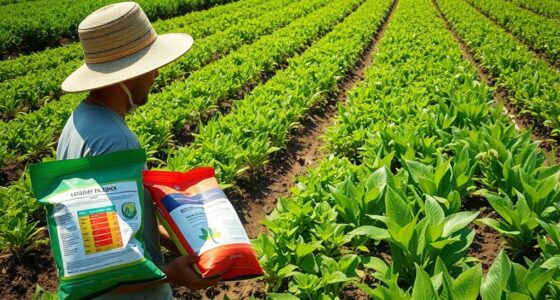

To guarantee healthy, bountiful tomato plants, start with a soil test to identify nutrient levels and pH. Use a balanced fertilizer like 10-10-10 or adjust for deficiencies, applying it before planting and every 2-3 weeks during growth. Focus on increasing phosphorus and potassium during flowering, while reducing nitrogen to prevent excessive foliage. Proper timing and dosage are key—continue exploring for detailed tips to optimize your fertilization routine for flavorful, robust tomatoes.
Key Takeaways
- Conduct a soil test to determine nutrient needs and pH before fertilization.
- Use a balanced fertilizer initially, then adjust nutrient ratios during flowering to favor potassium and phosphorus.
- Apply fertilizer early at planting and continue every 2-3 weeks during the growing season for sustained growth.
- Reduce nitrogen during flowering to prevent excessive foliage and promote fruit development.
- Follow manufacturer instructions to avoid over-fertilizing, which can cause issues like blossom-end rot.

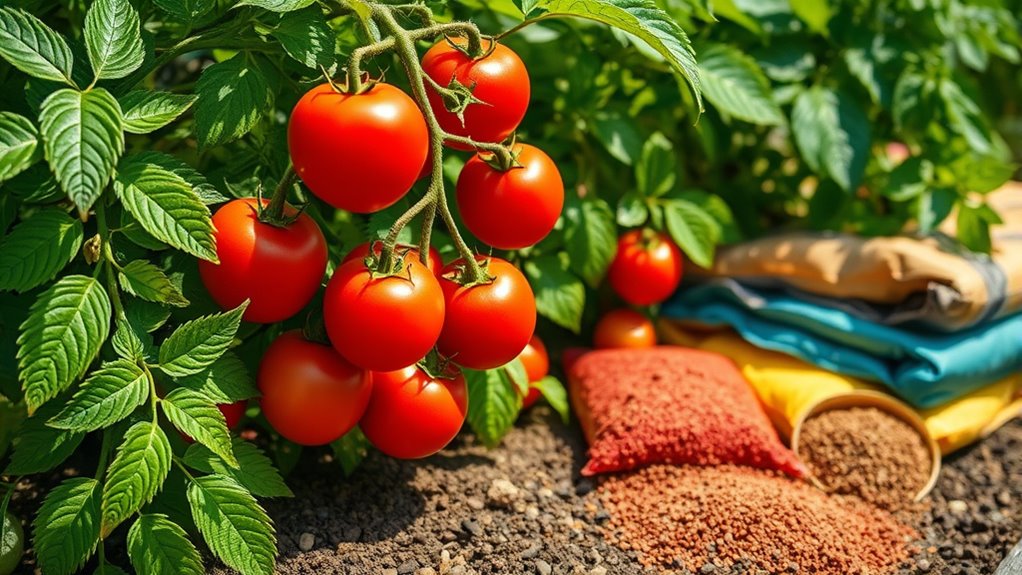
Fertilizing your tomato plants correctly is essential for healthy growth and a bountiful harvest. When you provide the right nutrients at the right time, you set your plants up for vigorous development and abundant fruit production. To begin, you need to understand the primary nutrients tomatoes require: nitrogen, phosphorus, and potassium. Nitrogen promotes lush, leafy growth, but too much can lead to excessive foliage at the expense of fruit. Phosphorus is vital for root development and flowering, ensuring your plants produce strong roots and plentiful blossoms. Potassium helps with overall plant health and fruit quality, improving flavor and resilience against pests and diseases.
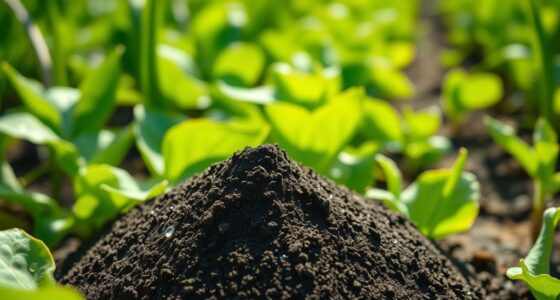
When you’re preparing to fertilize, start by assessing the condition of your soil. A simple soil test can reveal nutrient levels and pH balance, guiding your fertilization plan. If your soil is deficient in nutrients, you’ll want to select a balanced fertilizer with the appropriate ratios, such as 10-10-10 or 5-10-10, depending on what the soil needs. If you’re working with already rich soil, you might only need to supplement with specific nutrients. Always follow the manufacturer’s instructions for application rates to avoid over-fertilizing, which can lead to problems like blossom-end rot or excessive foliage that hampers fruit development.
Timing is crucial when fertilizing tomato plants. You should apply fertilizer early in the planting process, mixing it into the soil before transplanting or planting seedlings. This gives the roots immediate access to nutrients as they establish themselves. Throughout the growing season, you’ll need to continue feeding your plants regularly. A common approach is to use a water-soluble fertilizer every 2-3 weeks, especially once the plants start flowering and setting fruit. During this period, a fertilizer higher in potassium and phosphorus encourages flowering and fruiting, while reducing nitrogen levels to prevent excessive leafy growth.

10-10-10 Plant Fertilizer Slow Release – 10 10 10 All Purpose Granular Garden Fertilizer for Vegetables, Tomato, Arborvitae, Shrubs, Rose, Flowers, Fruit, Fig Trees (1/2 Quart)
🌿 Balanced 10-10-10 Granular Fertilizer for Outdoor & Indoor Plants: All-purpose plant food with 10% Nitrogen, 10% Phosphorus,…
As an affiliate, we earn on qualifying purchases.
As an affiliate, we earn on qualifying purchases.
Frequently Asked Questions
How Often Should I Test Soil Ph Before Fertilizing Tomatoes?
You should test your soil pH at least once a year before fertilizing your tomatoes, ideally in early spring. Regular testing helps you determine if the soil is too acidic or alkaline, which can affect nutrient absorption. If you’re planting in new soil or notice poor growth, test more frequently. Use a reliable soil test kit or send samples to a lab for accurate results, ensuring your tomatoes get the right nutrients.
Can Organic Compost Replace Commercial Tomato Fertilizers Effectively?
You might wonder if organic compost can replace commercial fertilizers for your tomatoes. While compost improves soil health and supplies some nutrients, it often lacks the concentrated nutrients tomatoes need for ideal growth. To guarantee healthy plants, use compost as a supplement rather than a complete replacement. Combining compost with targeted fertilizers helps you provide balanced nutrition, boosting your tomato health and yield effectively.
What Are Signs of Over-Fertilization in Tomato Plants?
Over-fertilizing your tomato plants is like pouring too much sugar into tea — it can spoil the flavor. You’ll notice yellowing leaves, especially at the edges, and lush, excessive foliage that crowds out flowers and fruit. Wilting or burnt leaf tips also signal trouble. If you spot these signs, cut back on fertilization, and give your plants a gentle rinse to help them recover.
Is Liquid Fertilizer Better Than Granular for Tomatoes?
You wonder if liquid fertilizer is better than granular for tomatoes. Liquid fertilizers are quickly absorbed, giving your plants an instant nutrient boost, which is great during a growth spurt or for addressing deficiencies. Granular fertilizers release nutrients slowly, providing steady nourishment over time. If you prefer convenience and faster results, liquid fertilizer might be better. However, for sustained feeding, granular options work well, so choose based on your gardening needs.
When Is the Best Time to Stop Fertilizing Tomato Plants?
Think of your tomato plants like a marathon runner—they need fuel, but too much late in the race can cause fatigue. You should stop fertilizing about 2-3 weeks before harvest. This allows fruits to develop fully without excess nutrients that might lead to rot or poor flavor. In my garden, I notice tomatoes taste best when I cut back fertilization just before ripening begins, ensuring peak flavor and quality.
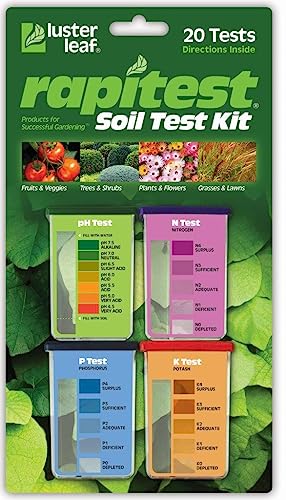
Rapitest Soil Test Kit for Gardens, Vegetables, Flowers and Lawns. USA designed and assembled soil tester completely, quickly and accurately measures/analyzes soil pH acidity and garden nutrients.
Quick, at home results for Soil pH, Nitrogen, Phosphorous and Potash Innovative and inexpensive soil test kit features…
As an affiliate, we earn on qualifying purchases.
As an affiliate, we earn on qualifying purchases.
Conclusion
By following this fertilization guide, you’ll give your tomatoes the nutrients they need to thrive. Remember, tomatoes are among the most popular garden vegetables—over 90% of home gardeners grow them. Proper fertilization can boost your harvest and flavor. Keep an eye on your plants’ needs, and don’t hesitate to adjust your approach. With the right care, you’ll enjoy abundant, delicious tomatoes all season long. Happy gardening!

Miracle-Gro Water Soluble Tomato Plant Food, 3 lb.
VEGETABLE FERTILIZER: Get the most from your vegetable garden with Miracle-Gro Water Soluble Tomato Plant Food, a water…
As an affiliate, we earn on qualifying purchases.
As an affiliate, we earn on qualifying purchases.

Miracle-Gro Shake 'N Feed Tomato, Fruit and Vegetable Plant Food – Fertilizer for Vegetable Gardens, for In-Ground and Container Plants, Feeds up to 3 Months, 1 lb.
Contains natural ingredients to feed microbes in the soil
As an affiliate, we earn on qualifying purchases.
As an affiliate, we earn on qualifying purchases.