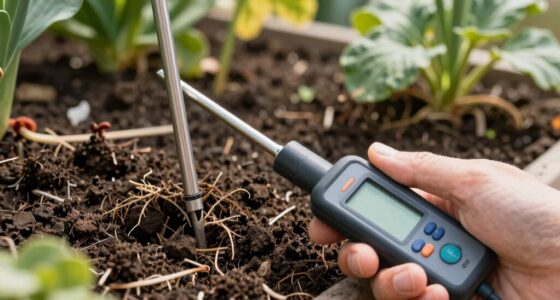
In a DWC hydroponic system, maintaining ideal root zone chemistry is key to healthy plant growth. You need to guarantee your nutrient solution has enough oxygen, which prevents root hypoxia and promotes nutrient absorption. Regularly monitor and adjust the pH to stay within 5.5-6.5, keeping nutrients available. Balancing oxygen levels and pH is vital for strong roots and high yields—if you want to learn more, keep exploring these essential factors.

Prime made for students and young adults
- Fast, free delivery for dorm and study essentials
- Prime Video and Amazon Music included
- Member-only deals
Key Takeaways
- Maintaining high oxygen levels in DWC systems prevents root hypoxia and promotes efficient nutrient uptake.
- Proper pH regulation (5.5-6.5) ensures nutrient availability and prevents deficiencies.
- Regular monitoring of pH and oxygen levels helps sustain stable root zone chemistry.
- Water evaporation and nutrient additions can cause pH fluctuations, requiring adjustments.
- Optimal root zone conditions depend on the synergy between oxygenation and pH stability.
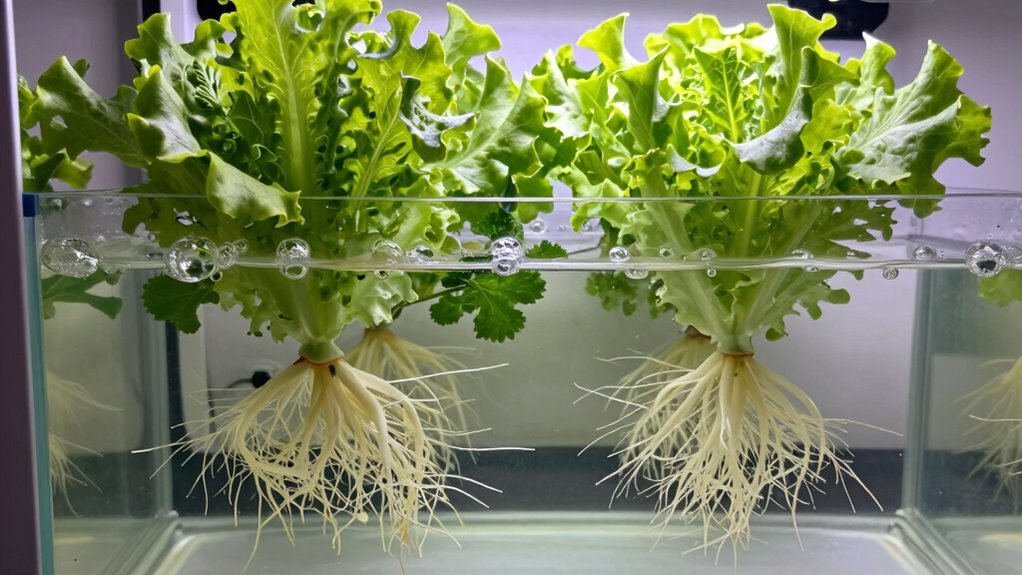
Deep Water Culture (DWC) hydroponic systems rely on a constant supply of oxygen-rich nutrient solutions to keep plants healthy and productive. In this setup, your plants’ roots are submerged directly in a nutrient-dense water reservoir, making efficient nutrient absorption essential for best growth. When the nutrient solution is properly maintained, your plants can absorb important elements like nitrogen, phosphorus, and potassium quickly and effectively. Achieving this requires careful attention to the chemistry of the root zone, especially pH regulation. If the pH drifts outside the ideal range, nutrient ions become less available, leading to deficiencies even if your solution contains adequate nutrients. Maintaining a stable pH, typically between 5.5 and 6.5, guarantees that your plants can take in nutrients efficiently at all times.
As you monitor your system, you’ll notice that pH fluctuations can occur due to various factors like plant uptake, water evaporation, and the addition of nutrients or supplements. Regular testing allows you to catch these changes early and adjust the pH accordingly. Using pH up or pH down solutions, you can keep the root zone chemistry within the best range, which directly influences nutrient absorption. When pH is correctly regulated, your plants don’t have to struggle to access the nutrients they need, resulting in healthier growth, better yields, and fewer deficiencies or toxicities.
In DWC systems, the oxygen level in the water also plays an important role in nutrient absorption. Adequate dissolved oxygen prevents root hypoxia, which can stunt growth and lead to root rot. You should guarantee your system includes air stones or diffusers to keep oxygen levels high, especially if you’re operating with high nutrient concentrations. When roots are oxygenated properly, they remain active and efficient at absorbing nutrients from the solution. This synergy between oxygen availability and pH stability creates an ideal environment for nutrient uptake, ensuring your plants thrive.
DWC hydroponic air stone diffuser
As an affiliate, we earn on qualifying purchases.
As an affiliate, we earn on qualifying purchases.
Frequently Asked Questions
How Often Should I Replace the Nutrient Solution in DWC Systems?
You should replace the nutrient solution in your DWC system every 1 to 2 weeks. Regularly check the nutrient concentration and adjust as needed to keep plants healthy. Also, monitor oxygen levels, as they can drop over time, affecting root health. Changing the solution helps prevent salt buildup and maintains proper nutrient balance, ensuring ideal growth. Consistent replacement promotes a healthy environment for your plants to thrive.
What Are Common Signs of Root Zone Imbalance?
You’ll notice root zone imbalance through signs like root damage, which appears as brown, mushy roots, or a foul smell indicating decay. Oxygen deficiency often causes roots to turn pale or white and become slimy or tangled. If your plants struggle to grow or show stunted growth, these issues might be present. Regularly check your roots and guarantee proper oxygen levels to prevent and address root zone imbalance.
How Does Temperature Affect Root Zone Chemistry?
Think of your root zone like a bustling city, where temperature is the thermostat. When root temperature is just right, microbial activity flourishes, keeping nutrients balanced. Too hot or cold, and microbes slow down or become overactive, disrupting root zone chemistry. This imbalance can cause nutrient lockout or deficiencies, affecting plant health. Maintain ideal root temperature to keep the microbial community thriving and your hydroponic system running smoothly.
Can DWC Systems Be Used for All Plant Types?
Yes, DWC systems can be used for many plant types, but their plant compatibility depends on the specific needs of each plant. Some plants thrive in DWC, while others may require different systems due to their root structure or water needs. System versatility allows you to adapt DWC setups for various plants, but understanding each plant’s requirements guarantees healthy growth and maximum yields.
How Do pH Fluctuations Impact Nutrient Uptake?
Oh, the irony of pH fluctuations—just when you think you’ve nailed stability, your plants suddenly struggle. Fluctuating pH disrupts nutrient absorption, making your plants’ favorite nutrients less available. When pH isn’t stable, your plants can’t efficiently uptake essential nutrients, leading to deficiencies and poor growth. So, maintaining pH stability is vital; it guarantees your plants absorb nutrients properly and thrive in your DWC system.
As an affiliate, we earn on qualifying purchases.
Conclusion
Mastering DWC hydroponic systems means managing the magic in your root zone. By balancing nutrients, monitoring pH, and maintaining proper oxygenation, you guarantee healthy, hearty plants. Remember, the root zone’s chemistry is critical—keep it clean, consistent, and carefully controlled. With a keen eye and consistent care, you’ll cultivate crops that flourish. Stay sharp, stay systematic, and see your green garden grow, glowing with vibrant vitality and verdant vigor!
hydroponic nutrient solution replacement
As an affiliate, we earn on qualifying purchases.
As an affiliate, we earn on qualifying purchases.
dissolved oxygen meter for hydroponics
As an affiliate, we earn on qualifying purchases.
As an affiliate, we earn on qualifying purchases.
Fall Picks
fall essentials
As an affiliate, we earn on qualifying purchases.