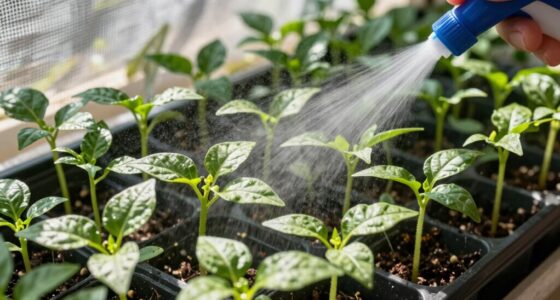
Before using PGRs, you need to understand how they interact with plant hormones like auxins, gibberellins, and cytokinins, which influence growth and development. Precise application is key to avoiding deformities or reduced effectiveness, so paying attention to timing and dosage is important. You should also take into account environmental factors, soil health, and potential ecological impacts to promote sustainable use. If you want to guarantee ideal results and minimize risks, there’s more to think about that can help you succeed.

Prime made for students and young adults
- Fast, free delivery for dorm and study essentials
- Prime Video and Amazon Music included
- Member-only deals
Key Takeaways
- Understand hormone interactions and maintain hormonal balance for desired plant responses.
- Apply PGRs precisely, considering timing, rates, and plant developmental stage.
- Consider environmental factors like soil health and climate to optimize effectiveness and minimize risks.
- Follow recommended usage to prevent resistance, deformities, and ecological impacts.
- Proper storage, disposal, and responsible use help protect ecosystems and ensure sustainable cultivation.
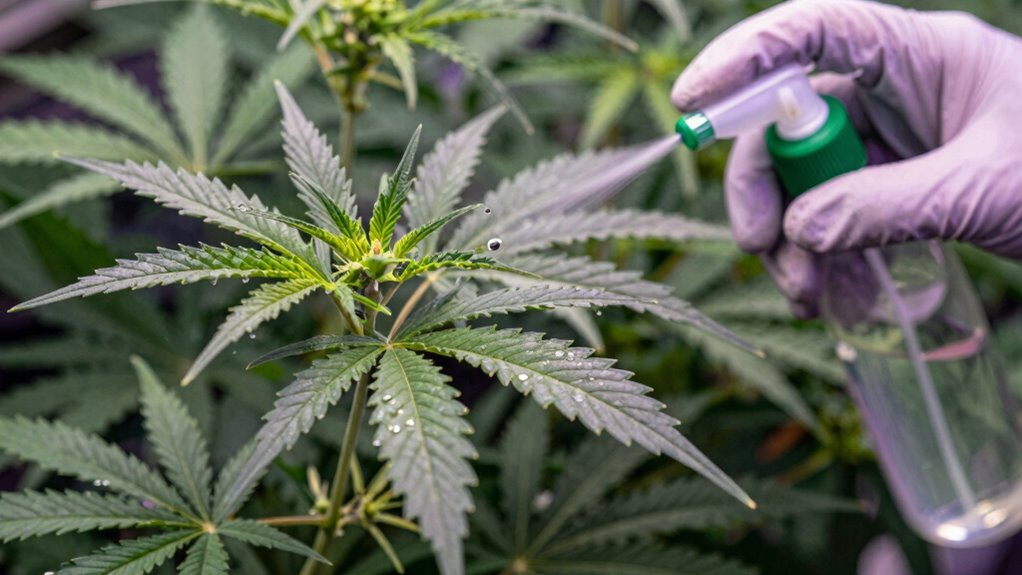
If you’re involved in cultivation, understanding how plant growth regulators (PGRs) can influence your crops is essential. PGRs are powerful tools that manipulate plant development, but their effects depend heavily on plant hormone interactions within your crops. These interactions determine how the plant responds to PGRs, affecting everything from flowering and fruiting to root development. Knowing how hormones like auxins, gibberellins, cytokinins, and abscisic acid work together helps you predict outcomes and tailor applications for maximum results. For instance, applying a PGR that mimics auxins can promote rooting, but if not carefully managed, it might also cause excessive elongation or deformities. Understanding these interactions enables you to use PGRs precisely, minimizing unintended consequences. Additionally, recognizing the hormonal balance within your plants can help you optimize growth responses and improve overall crop health. Maintaining a proper hormonal equilibrium is crucial for achieving desired plant outcomes.
Equally important are environmental impact considerations. PGRs don’t act in isolation—they can influence surrounding ecosystems if not used responsibly. Runoff from treated plants can enter waterways, affecting aquatic life and disrupting local ecosystems. Overapplication or misuse might also lead to resistance, reducing PGR effectiveness over time and forcing you to use higher doses or more potent chemicals. Being aware of environmental impacts encourages you to follow recommended application rates, timing, and methods to reduce ecological footprints. Proper storage and disposal are equally essential, preventing chemical leaks and contamination. Additionally, considering your local climate and soil conditions helps determine the most appropriate PGRs and application strategies, ensuring they’re effective without causing undue environmental stress. Applying PGRs without consideration of plant hormone interactions can lead to unpredictable results, so understanding these relationships is crucial for sustainable cultivation. Incorporating soil health practices can also enhance the efficacy of PGRs and support overall plant resilience. When soil conditions are optimal, PGRs tend to work more effectively, reducing the need for higher doses.
As an affiliate, we earn on qualifying purchases.
Frequently Asked Questions
Are PGRS Safe for Organic Cultivation?
PGRs are generally not considered safe for organic cultivation because they often contain synthetic chemicals that conflict with organic standards. Instead, you should explore organic alternatives like compost teas or natural growth regulators, which have a lower environmental impact. Using synthetic PGRs can harm beneficial insects and soil health, so prioritizing organic options helps maintain the integrity of your organic farm and supports sustainable growth.
How Long Do PGR Effects Last in Plants?
The effects of PGR application typically last from a few weeks to an entire growing cycle, depending on the plant response and the specific product used. You’ll notice changes in plant height, flower size, or fruit development during this period. Keep in mind that the duration varies based on the PGR type, application rate, and growth conditions, so monitor your plants closely to manage the effects effectively.
Can PGRS Be Used on All Crop Types?
Sure, you can slap PGRs on every crop, but don’t expect miracles without considering crop specific application and PGR compatibility. Each plant type reacts differently, and some may even suffer from the wrong formula. Think of it like trying to fit a square peg in a round hole. Always research your crop’s needs first, or you’ll end up with a field full of sad, stunted plants.
What Are the Signs of Over-Application of PGRS?
Over-application of PGRs can cause signs like stunted growth, drooping leaves, and abnormal plant morphology. If you notice plants becoming overly compact, with reduced vigor, it indicates excessive PGR dosage. Plant stress may also increase, making plants more vulnerable to pests or diseases. To prevent this, always follow recommended PGR dosage guidelines, and monitor your plants closely for any abnormal growth patterns, adjusting applications accordingly.
Are There Legal Restrictions on PGR Use?
Using PGRs isn’t a walk in the park; it’s more like steering through a minefield. You must follow strict legal restrictions and stay within regulatory guidelines to avoid serious penalties. Make sure you’re compliant with local, state, and federal laws, which often regulate PGR use, labeling, and application methods. Ignoring these rules could jeopardize your operation, so stay informed and always verify you’re operating within the law before applying PGRs.
As an affiliate, we earn on qualifying purchases.
Conclusion
Before you start using PGRs, remember they’re powerful tools that require careful application. For example, a grower in Florida used PGRs to optimize tomato growth, resulting in higher yields and better fruit quality. However, overuse led to leggy plants and reduced fruit size. Always follow recommended guidelines, monitor your plants closely, and adjust as needed. With proper use, PGRs can boost your crop’s potential—just stay informed and cautious to reap the best results.
As an affiliate, we earn on qualifying purchases.
soil health testing kits for plants
As an affiliate, we earn on qualifying purchases.
As an affiliate, we earn on qualifying purchases.
Halloween Picks
halloween
As an affiliate, we earn on qualifying purchases.