Inorganic salts are crystalline compounds formed when metal ions bond with non-metal ions through ionic bonds. They play vital roles in natural processes, industries, and everyday life, influencing properties like melting point and solubility. You’ll find them in products like fertilizers, water softeners, and in manufacturing countless materials. Understanding their structures and applications helps you see how essential they are to science and technology. If you want to learn more, keep exploring their fascinating world.
Key Takeaways
- Inorganic salts are crystalline compounds formed from metal and non-metal ions through ionic bonds.
- They have regular, repeating crystal structures that influence their physical properties like melting point and solubility.
- Common examples include sodium chloride, potassium nitrate, and magnesium sulfate, used in various industrial processes.
- These salts are essential in manufacturing, agriculture, water treatment, and technological applications such as batteries.
- Their unique properties and structures enable diverse uses in natural systems and modern industries.

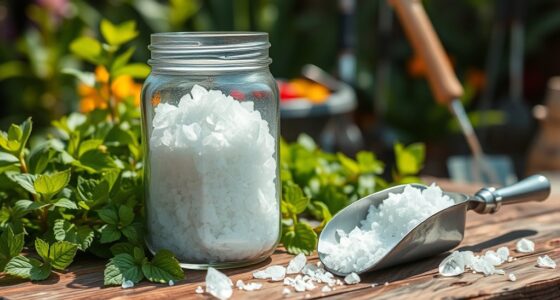
Have you ever wondered what inorganic salts are and why they’re so important? Inorganic salts are compounds formed when metal ions combine with non-metal ions, typically in the form of ionic bonds. These salts are essential in both nature and industry because of their unique properties. One key aspect that makes them fascinating is their salt crystal structures. These structures are arrangements of ions in a regular, repeating pattern, which determines many physical properties like melting point, solubility, and stability. For example, common table salt, or sodium chloride, has a cubic crystal structure that contributes to its characteristic shape and how it dissolves in water. Understanding these crystal structures helps scientists manipulate salts for various purposes, from improving food preservation to developing new materials. The types of headphone jacks and other electronic features are often designed considering the material properties of salts, especially in manufacturing electronic components.
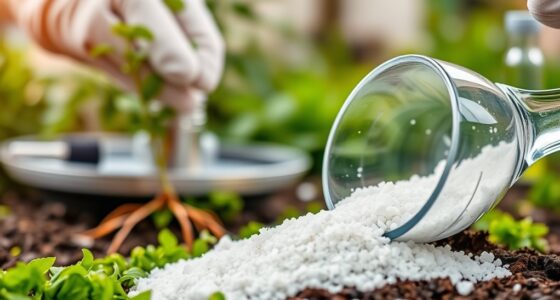
The importance of inorganic salts extends far beyond their crystal structures. They play an imperative role in numerous industrial applications. You might not realize it, but salts are involved in manufacturing chemicals, textiles, paper, and even in water treatment processes. In industries like metallurgy, salts such as potassium nitrate or magnesium sulfate are used as fluxes to facilitate melting and purification of metals. They’re also essential in the production of ceramics and glass, where controlled heat treatment relies on specific salt properties. In agriculture, salts like potassium chloride are essential fertilizers that supply vital nutrients to crops. Their ability to conduct electricity makes salts useful in electrolysis processes, which produce metals and chemicals from ore or compound solutions. This broad utility underscores their significance in modern manufacturing and technology.
In addition to industrial uses, inorganic salts are central to scientific research and daily life. Their predictable salt crystal structures enable the development of new materials with tailored properties, such as conductive salts for batteries or specialized salts for medical applications. You might also encounter salts in household products—like de-icing agents or water softeners—where their properties help solve practical problems efficiently. Despite their simple appearance, inorganic salts are remarkably versatile, and their crystal structures are key to revealing their potential. They form the backbone of many technological advancements, highlighting their importance in both natural processes and engineered systems.

Sodium Chloride USP Pharmaceutical Grade – 1 kg (2.2 lb) – Purified Salt for Saline Diluent Solutions & Supplements – Additive Free NaCl
USP Grade Sodium Chloride: Meets US Pharmacopeia standards for tablet and capsule manufacturing. Offers exceptional purity and quality,…
As an affiliate, we earn on qualifying purchases.
As an affiliate, we earn on qualifying purchases.
Frequently Asked Questions
How Are Inorganic Salts Different From Organic Salts?
You’ll find inorganic salts differ from organic salts mainly in their molecular structure and chemical properties. Inorganic salts typically have simple, ionic structures with metal ions and non-carbon elements, making them more stable and less reactive. Organic salts contain carbon-based groups, often with more complex structures, leading to different reactivity. These structural differences influence their uses, behaviors, and reactions in various chemical processes, setting inorganic salts apart from organic salts.
What Are the Environmental Impacts of Inorganic Salts?
You might think inorganic salts are harmless, but they can have serious environmental impacts. When released into water bodies, they contribute to water contamination and environmental pollution, harming aquatic life and ecosystems. Excess salts can lead to soil degradation and reduce plant growth, turning lush landscapes into barren lands. It’s a clear case of “paying the piper,” where unchecked salt disposal causes long-term damage to our environment.
Can Inorganic Salts Be Used in Medical Treatments?
Yes, inorganic salts are used in medical treatments. They help maintain electrolyte balance, which is crucial for nerve function, hydration, and muscle activity. In pharmaceutical applications, salts like sodium chloride and potassium chloride are common in IV fluids, rehydration solutions, and electrolyte supplements. You benefit from these treatments as they restore essential mineral levels, prevent dehydration, and support overall health, especially during illness or after intense physical activity.
How Do Inorganic Salts Influence Soil Fertility?
Inorganic salts influence soil fertility by helping maintain soil nutrient balance, crucial for healthy plant growth. They supply essential nutrients like potassium, calcium, and magnesium, boosting crop yields. However, excessive salt accumulation effects can harm plants, causing dehydration and nutrient imbalances. To optimize soil fertility, you should manage salt levels carefully, avoiding overuse and ensuring proper drainage, so salts support plant health without causing detrimental salt buildup.
Are Inorganic Salts Safe for Human Consumption?
Inorganic salts are generally safe when consumed through natural dietary sources like vegetables, dairy, and grains. Think of them as the building blocks of your well-being, fueling your daily energy. However, excessive intake can pose health risks, such as high blood pressure or kidney issues. So, moderation is key. Always consider the source and balance your diet to enjoy the benefits without the dangers.

Potassium Nitrate Fertilizer – Liquid Nitrogen & Potassium Supplement to Support Plant Growth, 8 oz
High-quality potassium and nitrogen supplement for plants
As an affiliate, we earn on qualifying purchases.
As an affiliate, we earn on qualifying purchases.
Conclusion
So, next time you see inorganic salts, remember they aren’t just simple compounds—they play essential roles in your body and the environment. Some believe that inorganic salts could hold the key to advanced medicine or sustainable energy solutions. While scientists continue to explore these possibilities, it’s clear that understanding their true nature could open exciting innovations. Stay curious and keep questioning; the world of inorganic salts might just surprise you with its hidden potential.
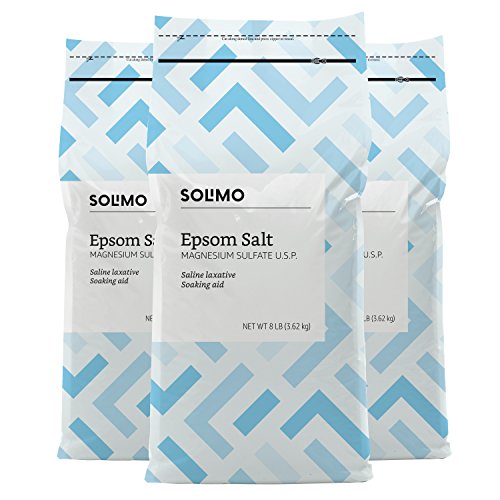
Amazon Brand – Solimo Epsom Salt Soak, Magnesium Sulfate USP, Relaxing Bath Soaking Aid, Unscented, 8 Pound, Pack of 3, Resealable Bags
Three resealable 8-pound bags of Solimo Epsom Salt, Magnesium Sulfate U.S.P.
As an affiliate, we earn on qualifying purchases.
As an affiliate, we earn on qualifying purchases.

Clean and Protect Water Softener Salt Pellets 3-Pack 40 lb Bags 120 lbs Total Reduces Scale
This product is Sodium Chloride
As an affiliate, we earn on qualifying purchases.
As an affiliate, we earn on qualifying purchases.