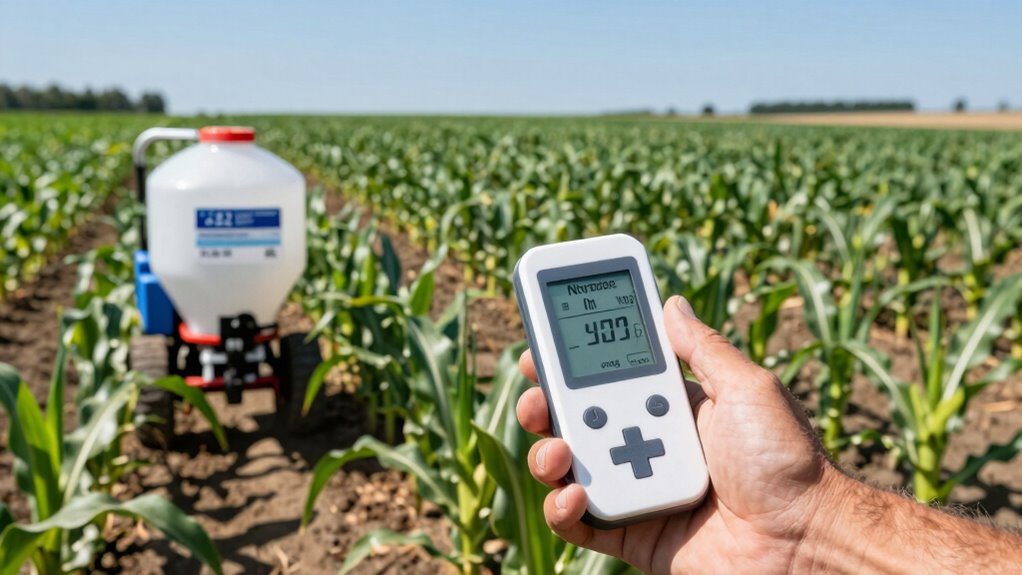

To match nitrogen rates to your yield goals, start with soil testing to determine current nutrient levels. Use this data to plan precise fertilizer applications aligned with your crop’s growth stages, timing your largest doses during critical periods like flowering or fruiting. Incorporate tools like crop sensors for accurate adjustments throughout the season. By fine-tuning nitrogen based on soil health and crop needs, you’ll boost efficiency and hit your yield goals—more useful tips follow if you want to get it just right.
Key Takeaways
- Conduct soil testing to determine existing nitrogen levels and avoid over- or under-application.
- Define clear yield goals to guide appropriate nitrogen application rates.
- Use crop-specific nutrient uptake data to calibrate nitrogen rates for targeted yields.
- Time fertilizer applications to align with critical growth stages for optimal nitrogen use.
- Incorporate technology like crop sensors for real-time adjustments based on crop needs and progress.
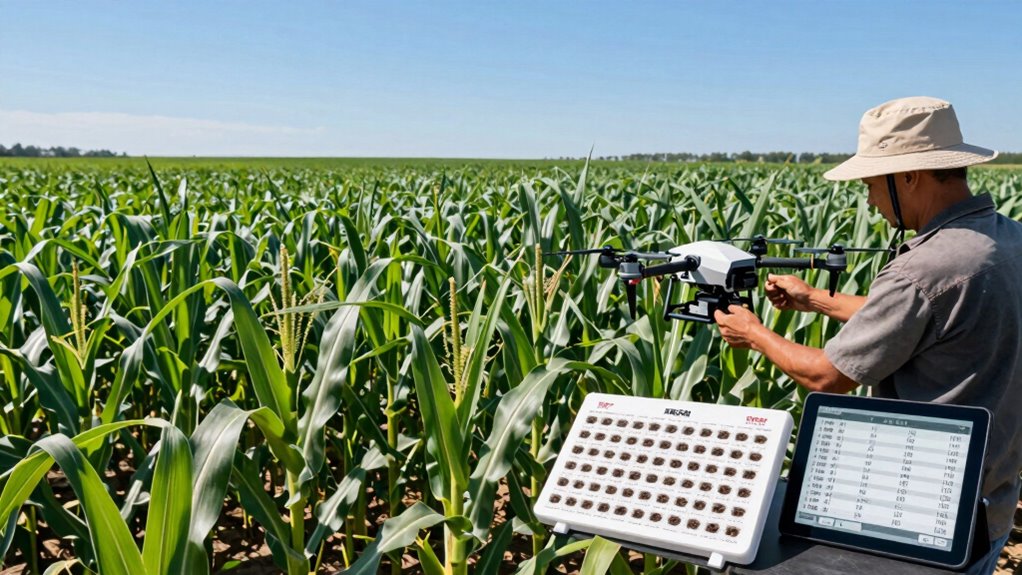
To optimize crop production, it’s essential to match nitrogen application rates with your specific yield goals. The first step in doing this is understanding your soil’s current nitrogen levels, which you can determine through soil testing. Soil testing provides critical data that helps you assess existing nutrient availability, avoiding over-application that can lead to environmental issues or under-application that limits yield potential. Once you know the soil’s nitrogen status, you can tailor your fertilizer strategy more precisely, guaranteeing you’re not wasting resources or risking crop health.
Fertilizer timing plays a key role in matching nitrogen rates to your goals. Applying nitrogen at the right moments ensures your crops absorb the nutrients when they need them most, promoting ideal growth and yield. For most crops, split applications—applying smaller doses of fertilizer at different growth stages—are more effective than a single, large application. Early applications should be carefully calibrated based on soil test results, with subsequent applications timed to coincide with critical growth periods, such as flowering or fruiting. This approach minimizes nitrogen loss through leaching or volatilization and maximizes uptake efficiency. Additionally, understanding timing strategies can help you better synchronize fertilizer applications with crop needs, further improving efficiency. Incorporating technological tools like crop sensors can also assist in making more precise nitrogen management decisions throughout the season. Recognizing the importance of soil health can also contribute to more sustainable nitrogen use and overall crop productivity. Moreover, fostering soil microbial activity can enhance nitrogen availability naturally, reducing the need for excessive fertilizer inputs.
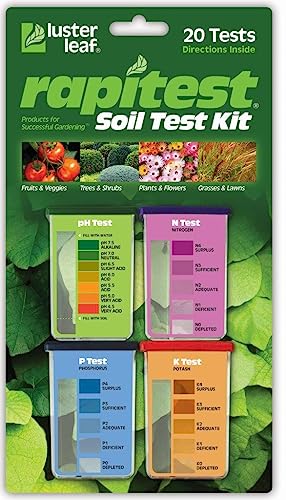
Rapitest Soil Test Kit for Gardens, Vegetables, Flowers and Lawns. USA designed and assembled soil tester completely, quickly and accurately measures/analyzes soil pH acidity and garden nutrients.
Quick, at home results for Soil pH, Nitrogen, Phosphorous and Potash Innovative and inexpensive soil test kit features…
As an affiliate, we earn on qualifying purchases.
As an affiliate, we earn on qualifying purchases.
Frequently Asked Questions
How Does Soil Type Influence Nitrogen Application?
Soil type considerably influences nitrogen application because soil composition affects nutrient retention. For example, sandy soils have low nutrient retention, so you’ll need to apply nitrogen more frequently or in smaller doses. Conversely, clay soils retain nutrients better, meaning you can apply nitrogen less often and in larger amounts. Understanding your soil’s composition helps you optimize nitrogen rates, ensuring your crops get enough without causing runoff or pollution.
What Are the Environmental Impacts of Excess Nitrogen?
Imagine nitrogen as a double-edged sword—when overapplied, it leaks into water sources, causing nitrogen runoff like a flood spilling over banks. This excess fuel triggers greenhouse emissions, warming our planet and harming ecosystems. You might unknowingly contribute to this cycle if you ignore the balance, risking water pollution and climate change. Proper nitrogen management helps protect the environment, ensuring that your farming practices sustain rather than harm the earth.
How Often Should Nitrogen Rates Be Adjusted Annually?
You should adjust nitrogen rates annually based on crop rotation and cover cropping practices. After each harvest, evaluate soil nitrogen levels and consider changes in crop types or cover crops, which influence nitrogen needs. Incorporate soil tests and yield history to refine your application. Regular adjustments guarantee peak nitrogen use, reduce environmental impact, and improve crop productivity, aligning your fertilization practices with evolving soil conditions and crop requirements each year.
Can Organic Fertilizers Replace Synthetic Nitrogen?
Organic fertilizers can replace synthetic nitrogen, but it depends on your farm’s organic certification standards and nutrient cycling practices. Organic options like compost and manure release nitrogen slowly, supporting sustainable nutrient cycling. However, you must carefully manage application timing and amounts to meet your crop’s nitrogen needs. Keep in mind that organic fertilizers often require more planning and patience but promote soil health and long-term fertility, aligning with organic certification requirements.
What Tools Are Available to Estimate Nitrogen Needs?
You can estimate nitrogen needs using tools like soil testing, which provides current nutrient levels and helps determine precise fertilizer timing. Additionally, crop sensors and decision support tools can monitor plant health and predict nitrogen requirements in real-time. These methods guarantee you apply the right amount of nitrogen at ideal times, reducing waste and environmental impact while maximizing yield potential. Regular soil testing and timely adjustments are key to effective nitrogen management.

Remote Sensing Applications for Agriculture and Crop Modelling
As an affiliate, we earn on qualifying purchases.
As an affiliate, we earn on qualifying purchases.
Conclusion
By tailoring your nitrogen rates to your yield goals, you’re planting seeds for success. Think of your crop as a symphony—each note (or nutrient) must be just right to create harmony. When you match nitrogen to your target, you’re conducting a well-orchestrated performance that maximizes growth and minimizes waste. Stay attentive, adjust your approach as needed, and watch your fields flourish like a perfectly tuned instrument. Your careful management turns potential into a harvest melody.

Scotts Turf Builder EdgeGuard DLX Broadcast Spreader – Spreader For Lawn Fertilizer, Weed & Insect Control, Grass Seed, and Ice Melt, Holds Up To 15,000 sq. ft. of Product
Use the Scotts Turf Builder EdgeGuard DLX Broadcast Spreader to apply Scotts lawn care products
As an affiliate, we earn on qualifying purchases.
As an affiliate, we earn on qualifying purchases.

Bezall 2 Inch Venturi Fertilizer Injector, Irrigation Tube Fertilizer Mixer Injector Agriculture Device Tool for Outdoor Garden Farm Lawn
Made of engineering plastic Excellent chemical resistance to most of the chemicals
As an affiliate, we earn on qualifying purchases.
As an affiliate, we earn on qualifying purchases.