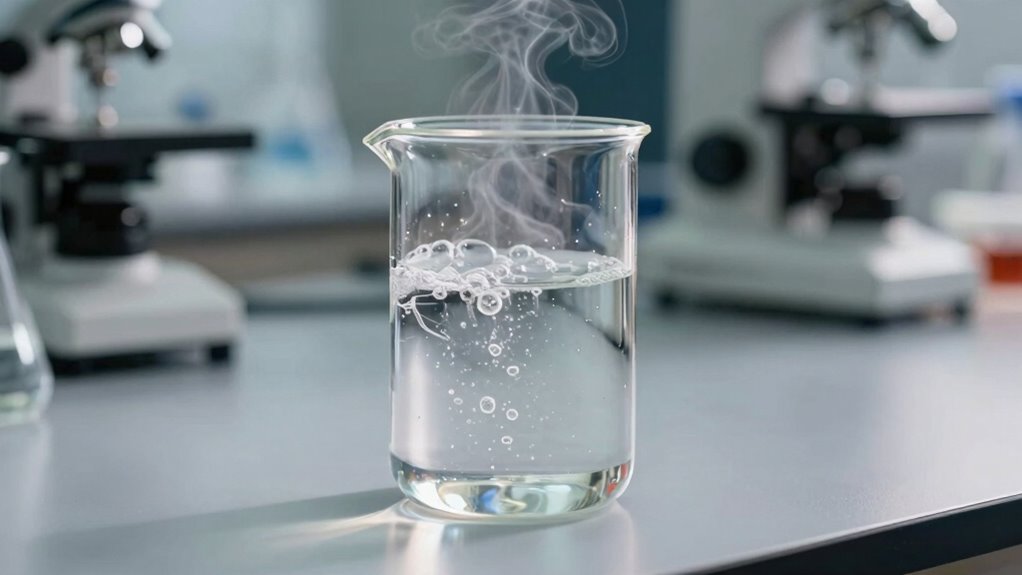
Volatilization is when liquids turn into gases without boiling, releasing chemicals into the air. It happens as molecules gain energy and escape from the surface, influenced by temperature, pressure, and chemical properties. This process matters because it can spread pollutants, harm air quality, and cause health issues if you breathe in the airborne chemicals. Understanding how volatilization works helps you see its impact on the environment and health—continue exploring to uncover more about its significance.

Prime made for students and young adults
- Fast, free delivery for dorm and study essentials
- Prime Video and Amazon Music included
- Member-only deals
Key Takeaways
- Volatilization is the process where liquids turn into gases without boiling, releasing molecules into the air.
- It influences air quality by dispersing pollutants and VOCs, affecting environmental health and human safety.
- The rate depends on temperature, pressure, vapor pressure, and chemical properties of substances.
- It plays a crucial role in pollution spread, chemical reactions in the atmosphere, and environmental contamination.
- Understanding volatilization helps develop strategies for pollution control, safety, and regulatory compliance.
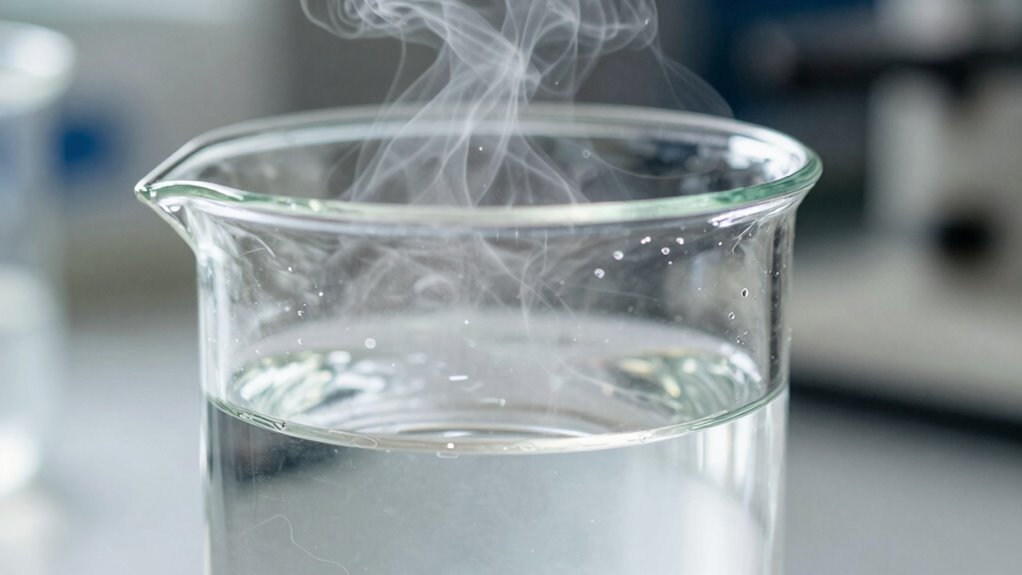
Have you ever wondered how a liquid transforms into a gas without boiling? That process is called volatilization, and it plays an essential role in many natural and industrial systems. When a substance volatilizes, its molecules gain enough energy to escape from the liquid’s surface into the air, turning into vapor. This isn’t just about liquids turning into gases; it involves specific chemical reactions at the molecular level that determine how quickly and easily a substance volatilizes. Factors like temperature, pressure, and the chemical properties of the substance itself influence this process. For instance, substances with high vapor pressures tend to volatilize more readily because their molecules can escape more easily into the atmosphere. Understanding vapor pressure is crucial because it directly affects how rapidly a chemical volatilizes under different conditions.
Understanding volatilization is fundamental because it impacts environmental health and safety. Many chemicals, including pollutants and volatile organic compounds (VOCs), become airborne through this process. When these chemicals volatilize, they can travel long distances in the air, affecting air quality and contributing to smog formation. This has a direct environmental impact, especially in urban areas where emissions from factories, vehicles, and other sources release VOCs that volatilize into the atmosphere. Once airborne, these chemicals can be inhaled, leading to health problems such as respiratory issues, allergies, and even more serious conditions over prolonged exposure. Additionally, the rate of volatilization can vary based on local environmental conditions, making it a complex process to control and predict.
From a broader perspective, volatilization influences chemical reactions in the environment. For example, when pollutants volatilize from soil or water, they can undergo further chemical reactions in the atmosphere, forming secondary pollutants that are more harmful. This process complicates efforts to control pollution because it means contaminants aren’t just confined to their original source. Instead, they can drift and transform, impacting ecosystems and human health far from the original emission point. Recognizing the importance of environmental factors helps researchers develop better models for predicting pollutant dispersion and transformation.
In industrial settings, controlling volatilization becomes critical for safety and environmental compliance. You need to understand the chemical reactions involved to develop effective mitigation strategies, like capturing vapors or using chemical barriers. Knowledge of how substances volatilize helps in designing better storage facilities and handling procedures, reducing emissions into the environment. Ultimately, understanding what drives volatilization and its environmental impact allows you to make informed decisions to protect ecosystems and public health, while also complying with regulations aimed at minimizing chemical releases.
As an affiliate, we earn on qualifying purchases.
Frequently Asked Questions
How Does Temperature Affect Volatilization Rates?
As temperature increases, volatilization rates accelerate because it raises vapor pressure, making substances more likely to turn into vapor. Once temperatures pass certain thresholds, molecules gain enough energy to escape into the air more rapidly. You’ll notice that at higher temperatures, even low vapor pressure compounds volatilize quickly. So, controlling temperature is vital in processes where managing volatilization is essential, especially to prevent losses or environmental contamination.
Can Volatilization Occur at Room Temperature?
Yes, volatilization can occur at room temperature, especially with chemicals that have low boiling points or are chemically unstable. You should always consider chemical stability and follow safety precautions because volatilization releases vapors that could be harmful if inhaled. Even at room temperature, some substances may vaporize quickly, so always handle chemicals carefully, work in well-ventilated areas, and use proper protective equipment to guarantee your safety.
What Substances Are Most Prone to Volatilization?
You should know that substances with low chemical stability and specific material properties are most prone to volatilization. Volatile liquids like alcohol, gasoline, and certain solvents easily vaporize at room temperature due to their weak intermolecular forces. Gases, certain oils, and some chemicals with high vapor pressures also tend to volatilize quickly. Understanding these properties helps in handling, storage, and safety precautions for such substances.
How Is Volatilization Measured in Laboratories?
Ever wondered how labs detect volatile substances? You measure volatilization using analytical techniques like gas chromatography or mass spectrometry. These methods separate and identify compounds at tiny concentrations, making it easier to quantify volatilization rates. Calibration methods are essential too—by comparing results to known standards, you guarantee accuracy. This combination allows precise measurement of how much substance volatilizes, helping you understand environmental impacts or process efficiencies effectively.
Does Volatilization Impact Environmental Pollution Levels?
Yes, volatilization impacts environmental pollution levels by releasing chemicals into the atmosphere, affecting atmospheric dispersion patterns. This process can lead to wider distribution of pollutants, increasing exposure risks. Additionally, volatilized compounds may undergo chemical degradation, forming secondary pollutants that worsen environmental quality. Understanding these dynamics helps in evaluating pollution risks and developing strategies to minimize airborne contaminants and their harmful effects on ecosystems and human health.
As an affiliate, we earn on qualifying purchases.
Conclusion
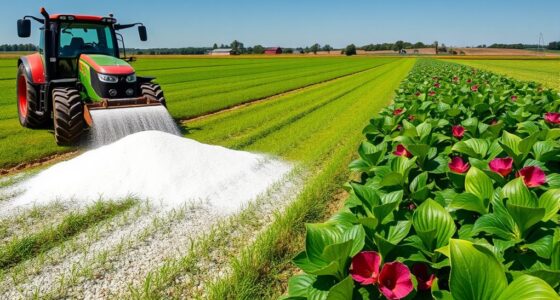
Understanding volatilization helps you grasp how substances move from liquids to gases, impacting everything from agriculture to pollution control. Did you know that over 90% of pesticides applied to crops can volatilize into the air? That’s a huge amount that can affect your health and the environment. By being aware of this process, you can make smarter choices about chemical use and safety, ultimately helping to protect both your surroundings and your well-being.
As an affiliate, we earn on qualifying purchases.
As an affiliate, we earn on qualifying purchases.
Halloween Picks
halloween
As an affiliate, we earn on qualifying purchases.