
Rainfall’s pH level influences how much potassium becomes available in your soil by affecting its solubility and potential for leaching. Acidic rainwater can temporarily boost potassium release but may also wash it away, depleting soil nutrients over time. Neutral or alkaline rainwater helps retain potassium and other nutrients better, supporting plant health. Understanding these interactions can help you manage soil fertility more effectively—continue exploring to discover ways to optimize nutrient retention under varying conditions.
Key Takeaways
- Acidic rainfall increases potassium solubility initially but can cause leaching, reducing overall soil potassium levels.
- Neutral or alkaline rainwater promotes stable potassium retention and minimizes nutrient leaching.
- Heavy rainfall in acidic conditions accelerates nutrient loss, depleting soil potassium and affecting fertility.
- Rainwater pH influences nutrient cycling by affecting mineral dissolution and potassium release from soil minerals.
- Soil mineralogy interacts with rainfall pH, determining how effectively potassium is released and retained in the soil.
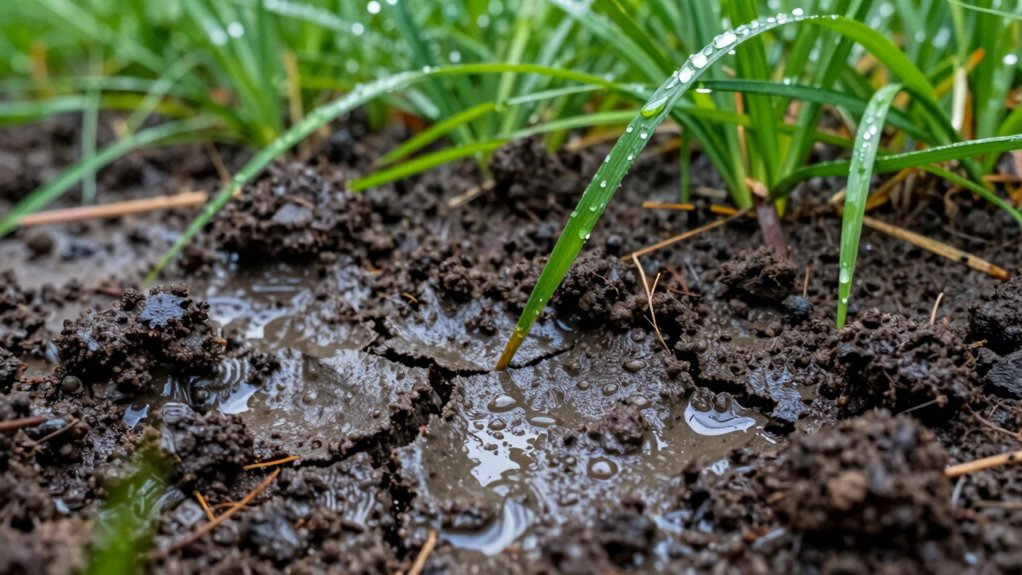
Rainwater pH also plays a key role in how potassium interacts with your soil. When rainfall is acidic (low pH), it can increase the solubility of certain minerals, leading to more potassium being released into the soil solution. This might seem beneficial at first, but excessive acidity can also cause leaching, where potassium gets washed away from the root zone before plants can absorb it. On the other hand, neutral or slightly alkaline rainwater (higher pH) tends to promote a more stable environment, helping retain potassium within the soil matrix. Your local climate and atmospheric conditions influence rainwater pH, so understanding these patterns helps you predict how rainfall will affect potassium levels over time. Additionally, soil mineralogy significantly impacts how effectively rainfall releases potassium, as different minerals contain varying amounts of this nutrient. Furthermore, the interaction between rainfall, soil mineralogy, and rainwater pH affects not only potassium but also other nutrients, which can influence overall soil health. Heavy rainfall in areas with acidic rainwater might lead to nutrient leaching, depleting your soil of essential nutrients, including potassium. In contrast, in regions where rainwater is more neutral or alkaline, nutrients tend to stay put, maintaining soil fertility. As a grower or land manager, paying attention to these factors helps you plan better fertilization schedules and soil management practices. You might consider soil testing to determine mineral composition and pH levels, giving you a clearer picture of how rainfall patterns will influence potassium availability on your land.

SONKIR Soil pH Meter, MS02 3-in-1 Soil Moisture/Light/pH Tester Gardening Tool Kits for Plant Care, Great for Garden, Lawn, Farm, Indoor & Outdoor Use (Green)
Kindly NOTE: This soil tester can not be applied to test pH value of any other liquid. If…
As an affiliate, we earn on qualifying purchases.
As an affiliate, we earn on qualifying purchases.
Frequently Asked Questions
How Does Rainfall Influence Potassium Leaching in Different Soil Types?
Rainfall influences potassium leaching based on soil texture and leaching potential. In sandy soils, high rainfall increases leaching potential, causing potassium to wash away quickly. Conversely, in clay soils, heavy rain has less impact because of better retention. You should monitor soil texture to predict leaching risks, especially during heavy rains, to manage potassium levels effectively and prevent nutrient loss that could affect crop growth.
Can Rainfall Patterns Predict Soil Potassium Deficiency?
You might be surprised to learn that heavy rainfall can reduce soil potassium levels by up to 50% in just a few weeks. Rainfall impact directly influences soil potassium, making it harder for plants to access this essential nutrient. By observing rainfall patterns, you can predict potential potassium deficiencies—more rain often means increased leaching, which depletes soil potassium and signals a need for supplementation to maintain healthy crop growth.
What Role Does Soil Organic Matter Play in Potassium Retention During Rain?
Soil organic matter plays an essential role in potassium retention during rain by improving soil structure and increasing organic compounds that bind potassium. These organic compounds create a network that helps retain potassium ions, preventing leaching. As rainwater moves through the soil, a healthy organic matter content guarantees better retention, so your soil keeps potassium available for plants even after heavy rainfall, promoting healthier growth and higher yields.
How Quickly Does Potassium Become Unavailable After Heavy Rainfall?
Rainfall is like a swift thief, stealing potassium from your soil with each heavy downpour. After intense rain, potassium’s availability drops quickly as it gets washed away through soil absorption and rain infiltration. You might notice a significant loss within hours to days, especially in sandy soils. To protect your crop’s health, consider adding potassium fertilizers after heavy rain or improving soil structure to reduce leaching.
Are There Specific Crop Varieties More Resilient to Potassium Loss From Rain?
Yes, certain crop varieties are more resilient to potassium loss caused by heavy rainfall. Through crop breeding, scientists develop strains with improved nutrient uptake and retention, making them better suited for areas with frequent rain. Effective nutrient management also helps, ensuring ideal potassium levels regardless of rainfall. By choosing these resilient varieties and practicing proper nutrient management, you can reduce the impact of rainfall on potassium availability and maintain healthy crop growth.

Muriate of Potash 0-0-60 Fertilizer Made in USA – MOP Potassium Plant Food for Indoor/Outdoor Plants, Flower Gardens, Fruit and Vegetable Gardens, Holistic Herbs, Trees and Green Lawns!
PREMIUM QUALITY INGREDIENTS – Cz Garden Muriate of Potash is a water soluble, high purity, premium phosphate fertilizer…
As an affiliate, we earn on qualifying purchases.
As an affiliate, we earn on qualifying purchases.
Conclusion
Understanding how rainfall influences potassium availability helps you better manage your soil health. While heavy rain might seem like a setback, it’s also a chance to naturally replenish nutrients and improve crop growth if you adapt your practices. Don’t let fear of nutrient loss discourage you—by monitoring rainfall and adjusting fertilizer use, you can turn challenging weather into an opportunity for thriving plants. Embrace these natural cycles, and your soil will reward your efforts with abundant, healthy yields.
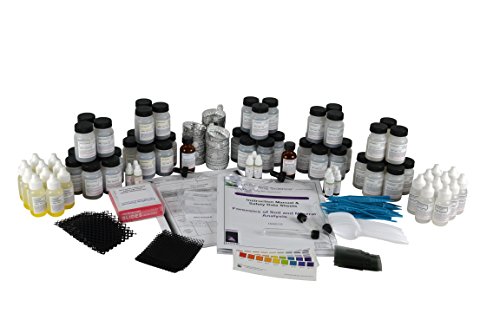
ALDON Innovating Science Forensics of Soil and Mineral Analysis (Materials for up to 10 Groups)
Experiment kit designed to teach students about soil and glass, and the forensic techniques used to analyze them
As an affiliate, we earn on qualifying purchases.
As an affiliate, we earn on qualifying purchases.

Rapitest Soil Test Kit for Gardens, Vegetables, Flowers and Lawns. USA designed and assembled soil tester completely, quickly and accurately measures/analyzes soil pH acidity and garden nutrients.
Quick, at home results for Soil pH, Nitrogen, Phosphorous and Potash Innovative and inexpensive soil test kit features…
As an affiliate, we earn on qualifying purchases.
As an affiliate, we earn on qualifying purchases.