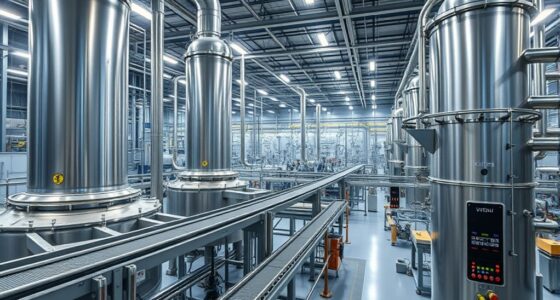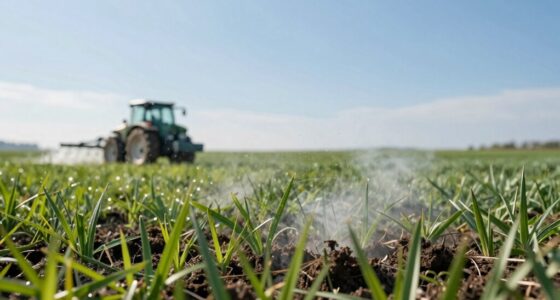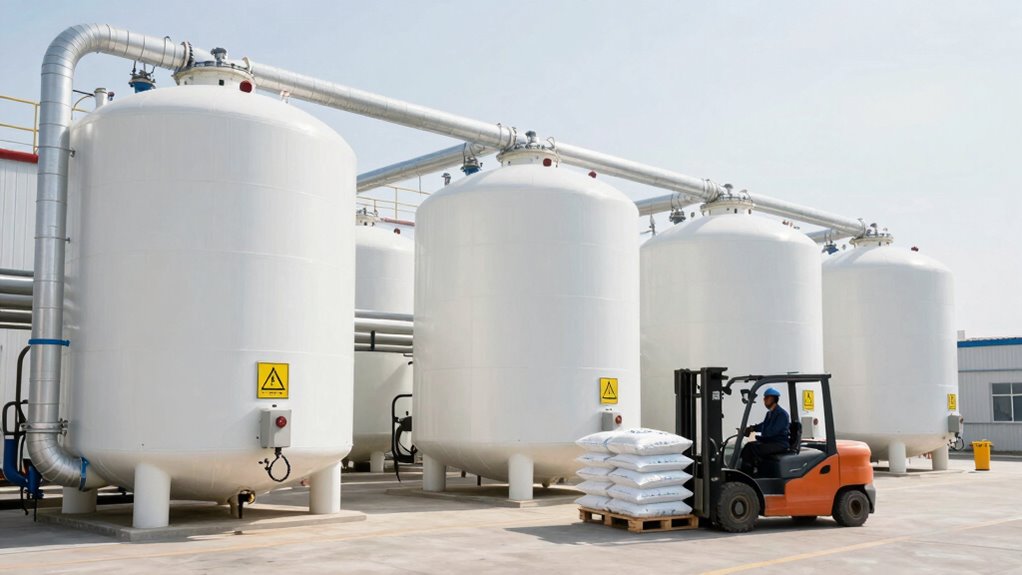

To handle and store nitrogen fertilizer safely, always wear protective gear like gloves and masks. Use calibrated equipment for precise application to prevent runoff and leaks. Store fertilizers in secure, well-ventilated areas away from water sources and weather damage. Keep detailed records of quantities and applications. Proper handling reduces environmental risks like water contamination and air pollution. Following these basics helps protect you and the environment—exploring further will show you how to do this effectively.

Prime made for students and young adults
- Fast, free delivery for dorm and study essentials
- Prime Video and Amazon Music included
- Member-only deals
Key Takeaways
- Store nitrogen fertilizers in secure, well-ventilated, and weather-resistant areas away from water sources.
- Wear protective gear and use calibrated equipment during handling to prevent exposure and minimize environmental impact.
- Immediately clean spills with absorbent materials and dispose of contaminated soil according to regulations.
- Maintain accurate records of fertilizer quantities, storage conditions, and application dates for environmental tracking.
- Conduct regular inspections of storage facilities for damage, corrosion, and compliance with safety and environmental standards.
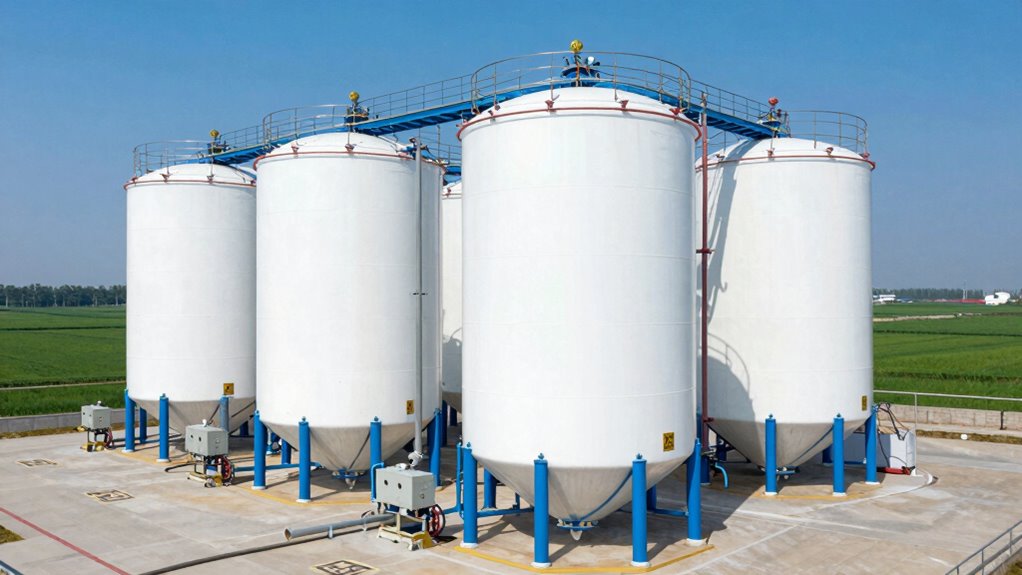
Have you ever wondered how proper storage and handling of nitrogen fertilizers can boost safety and efficiency on your farm? Managing nitrogen fertilizer correctly isn’t just about ensuring healthy crop growth—it’s also about minimizing environmental impacts and safeguarding everyone working on your farm. When you understand the importance of safety precautions, you reduce risks like spills, leaks, or accidental exposure, which can harm both people and the environment. Proper storage means keeping fertilizers in secure, well-ventilated areas, away from water sources, and protected from weather conditions that could cause deterioration or leaks. Using designated, clearly labeled containers helps prevent mix-ups and accidental misuse, and it’s essential to inspect storage facilities regularly for signs of corrosion or damage. Additionally, understanding the environmental impacts of mishandling fertilizers can motivate more careful practices that protect water and air quality. Maintaining accurate records of fertilizer quantities and application dates can also help in tracking potential environmental risks and ensuring proper management practices.
Handling nitrogen fertilizers with care is critical to prevent environmental impacts such as groundwater contamination and air pollution. When fertilizers are mishandled or stored improperly, nitrogen compounds can leach into the soil or run off into nearby water bodies, causing issues like algal blooms that threaten aquatic life. To avoid this, you should follow strict safety precautions, including wearing protective gear like gloves and masks to prevent inhalation or skin contact. When applying fertilizers, use calibrated equipment to ensure precise application, reducing excess runoff and volatilization. Spills should be cleaned up immediately using absorbent materials, and contaminated soil or materials should be disposed of according to local regulations. Proper training for all workers handling nitrogen fertilizers is essential to guarantee everyone understands these safety precautions and environmental considerations. Being aware of storage regulations can help you stay compliant and reduce the risk of accidents or environmental violations.
nitrogen fertilizer storage containers
As an affiliate, we earn on qualifying purchases.
As an affiliate, we earn on qualifying purchases.
Frequently Asked Questions
How Long Can Nitrogen Fertilizer Be Stored Safely?
You can store nitrogen fertilizer safely for up to a year if you keep it in a proper storage container and maintain temperature control. Make sure the container is sealed tightly to prevent moisture absorption, which can cause clumping or degradation. Keep the storage area cool and dry, avoiding extreme temperatures. Regularly check for leaks or damage to the container, and rotate stock to use older fertilizer first, preserving quality and safety.
What Are the Environmental Impacts of Nitrogen Fertilizer Leaks?
You might think nitrogen fertilizer leaks only affect your crops, but they can cause significant environmental contamination. When nitrogen escapes, it leaches into soil and water, leading to ecological effects like algae blooms and oxygen depletion in aquatic systems. These leaks threaten wildlife, reduce water quality, and disrupt ecosystems. It’s essential to handle and store nitrogen carefully, preventing leaks that harm the environment and maintaining ecological balance.
Are There Specific Safety Gear Requirements for Handling Nitrogen?
Yes, when handling nitrogen, you should wear protective clothing, including gloves, goggles, and a respirator, to prevent contact and inhalation of harmful fumes. Follow strict safety protocols, such as working in well-ventilated areas and avoiding open flames, since nitrogen can displace oxygen. Always read the safety data sheet and adhere to manufacturer instructions to guarantee safe handling. Proper safety gear minimizes risks and protects your health during nitrogen handling.
How Do Temperature Fluctuations Affect Nitrogen Fertilizer Stability?
Temperature fluctuations can greatly impact nitrogen fertilizer stability, causing uneven temperature stability that accelerates fertilizer degradation. When temperatures swing between hot and cold, it stresses the chemical bonds, leading to potential breakdown and reduced effectiveness. You should store fertilizer in a cool, consistent environment to prevent these changes. Proper handling ensures you maintain its quality, avoiding unnecessary loss and ensuring ideal performance when applied to crops.
Can Nitrogen Fertilizer Be Recycled or Reused After Storage?
Yes, you can recycle or reuse nitrogen fertilizer after storage if it’s stored properly, ensuring minimal contamination and moisture exposure. Nitrogen recycling involves reclaiming unused fertilizer for future use, which helps reduce waste. Storage reusability depends on maintaining ideal conditions—cool, dry, and secure storage areas. By managing storage carefully, you can extend fertilizer’s usability, improve efficiency, and promote sustainable practices in your agricultural operations.
protective gear for fertilizer handling
As an affiliate, we earn on qualifying purchases.
As an affiliate, we earn on qualifying purchases.
Conclusion
Now that you understand the essentials of nitrogen fertilizer storage and handling, you’re better equipped to prevent hazards and guarantee efficiency. But remember, the real challenge lies in your ongoing vigilance—small mistakes can lead to big problems. Will you stay alert and follow safety protocols, or risk exposing your operation to unforeseen dangers? The choice is yours. Keep these basics in mind, and stay prepared—you never know what might happen next.
calibrated fertilizer application equipment
As an affiliate, we earn on qualifying purchases.
As an affiliate, we earn on qualifying purchases.
absorbent spill cleanup materials
As an affiliate, we earn on qualifying purchases.
As an affiliate, we earn on qualifying purchases.
Fall Picks
fall essentials
As an affiliate, we earn on qualifying purchases.