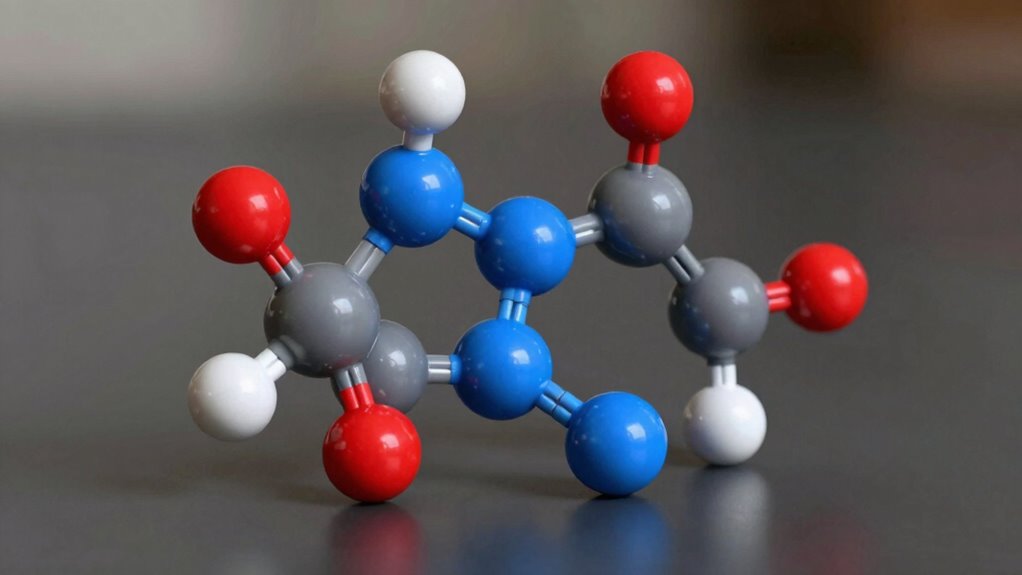
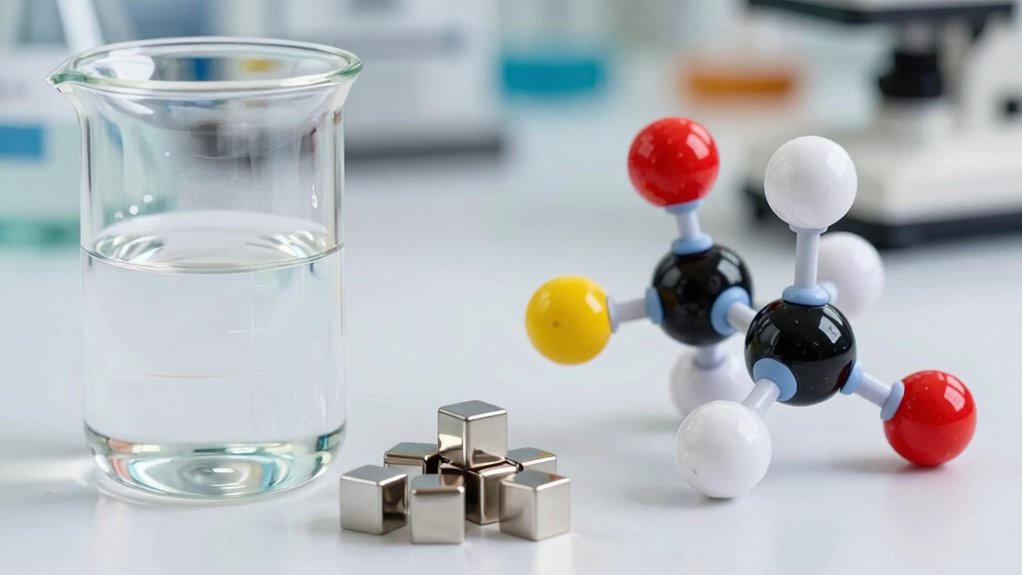
What makes a reaction reversible? Discover the key factors that determine whether a reaction can flow both ways and why some reactions naturally reverse.
Browsing Category
Chemistry Fundamentals
95 posts
How Buffers Resist pH Changes
Buffers resist pH changes by reacting with added acids or bases, neutralizing…
The Difference Between Endothermic and Exothermic Changes
Beyond temperature changes, understanding endothermic and exothermic processes reveals how energy flow impacts natural and industrial phenomena.
How to Predict Molecular Shape With VSEPR Theory
Predict molecular shape with VSEPR theory by analyzing electron pairs, but understanding how they influence structure reveals deeper insights into molecular geometry.
Understanding Intermolecular Forces Without the Confusion
Much remains to be uncovered about intermolecular forces, and understanding them can clarify countless material behaviors—continue reading to discover how.
A Digestion Of The Jacobian Conjecture Counterexample
Experts analyze a newly presented counterexample to the Jacobian conjecture, raising questions about its validity and implications for mathematics.
Why Electron Configuration Matters More Than You Think
Only by understanding electron configurations can you unlock the true behavior of atoms and the secrets behind their interactions and properties.
How to Identify Ionic vs Covalent Compounds Faster
Understanding the key differences between ionic and covalent compounds can be quick once you learn what clues to look for, and here’s how to do it faster.
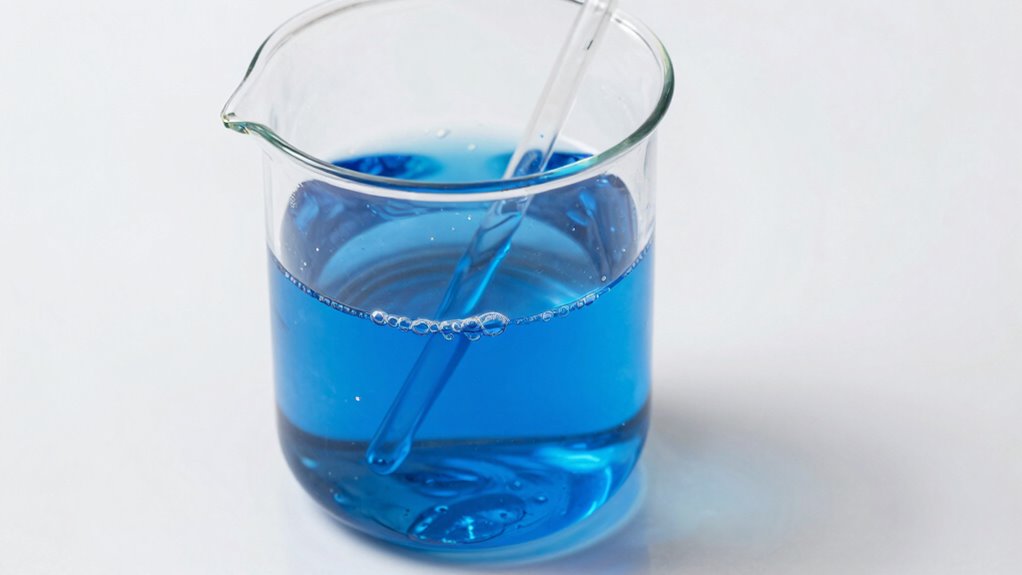
What Is the Mole Concept in Plain English?
Chemistry becomes simpler with the mole concept, but understanding its full significance will change how you see tiny particles forever.
Why Sample Splitters Matter Before Analysis
By understanding why sample splitters matter before analysis, you can ensure accuracy and consistency, ultimately safeguarding your results and