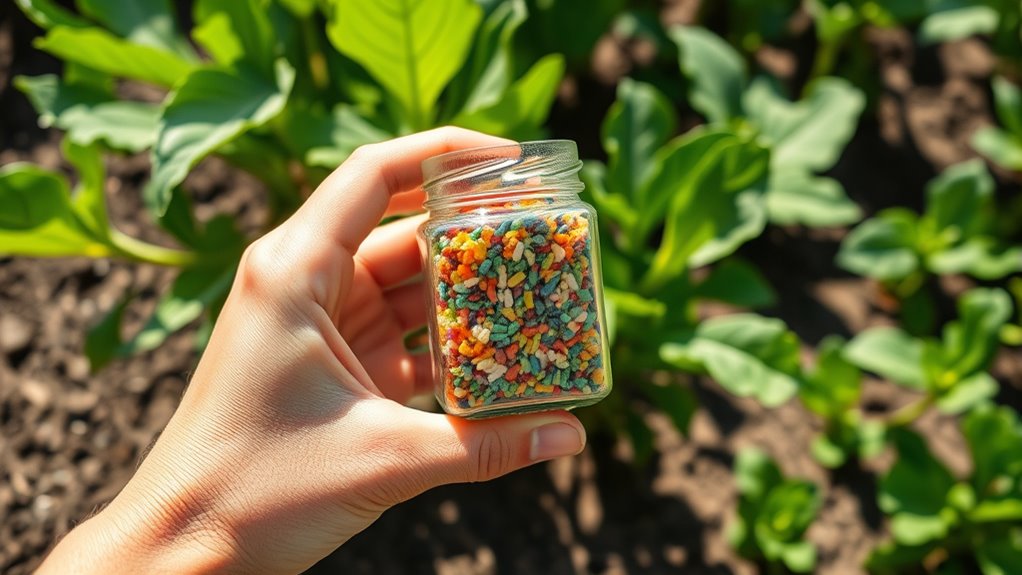

NPK ratios show the proportions of nitrogen, phosphorus, and potassium in fertilizers, helping you choose the right mix for your plants. Nitrogen promotes leafy growth, phosphorus supports root development, and potassium enhances overall health and stress tolerance. Understanding these ratios allows you to match fertilizers to different plants and growth stages. To get the best results, consider your soil’s needs and plant type—if you keep exploring, you’ll discover how to fine-tune your fertilization for vibrant, healthy plants.

Prime made for students and young adults
- Fast, free delivery for dorm and study essentials
- Prime Video and Amazon Music included
- Member-only deals
Key Takeaways
- NPK ratios represent the percentage of nitrogen, phosphorus, and potassium in fertilizers, guiding nutrient balance.
- Match NPK ratios to specific plant needs and growth stages for optimal development.
- Organic fertilizers typically have lower or balanced ratios and improve soil health long-term.
- Soil pH influences nutrient availability; adjust NPK ratios accordingly for better absorption.
- Conduct soil tests to determine existing nutrient levels and select appropriate NPK ratios for your plants.
organic NPK fertilizer for vegetables
As an affiliate, we earn on qualifying purchases.
As an affiliate, we earn on qualifying purchases.
Understanding the Components of NPK Ratios

Understanding the components of NPK ratios is essential because these numbers represent the proportions of three key nutrients that plants need to grow: nitrogen (N), phosphorus (P), and potassium (K). These ratios influence how well your plants absorb nutrients, which can be affected by soil pH. For example, if your soil is too acidic or alkaline, it can limit the availability of organic nutrients that work alongside NPK fertilizers. Knowing the right balance helps you adjust your soil conditions and fertilizer choices to optimize plant health. Organic nutrients, such as compost and manure, complement NPK by improving soil structure and pH stability. Additionally, soil testing can help determine the optimal NPK ratio for your specific plants and soil conditions. By understanding these components, you can create a more effective fertilization plan tailored to your plants’ specific needs. Considering soil amendments can further enhance nutrient availability and promote healthier growth.
soil test kit for nutrient levels
As an affiliate, we earn on qualifying purchases.
As an affiliate, we earn on qualifying purchases.
The Role of Nitrogen, Phosphorus, and Potassium in Plant Growth

You’ll see that nitrogen is essential for lush, vegetative growth, helping leaves and stems flourish. Phosphorus supports strong root development and overall energy transfer within the plant. Meanwhile, potassium improves your plant’s health by boosting disease resistance and stress tolerance. Additionally, maintaining proper nutrient balance is crucial to prevent deficiencies that can hinder growth and reduce overall yield. Proper soil testing can help determine the right ratios for your specific plants and conditions. Understanding tuning adjustments can further optimize plant performance and resilience.
Nitrogen’s Role in Vegetative Growth
Have you ever wondered why nitrogen is often called the growth hormone for plants? It’s because nitrogen plays a key role in promoting lush, vigorous vegetative growth. When your plants have enough nitrogen, they develop healthy leaf chlorophyll, giving leaves their vibrant green color and enhancing photosynthesis. This boosts energy production, encouraging taller stems and denser foliage. Additionally, nutrient balance is vital to prevent deficiencies or excesses that can harm plant health. Proper soil management can help maintain optimal nutrient levels and support healthy plant development. However, if you notice yellowing leaves or stunted growth, it might be a nitrogen deficiency. Without sufficient nitrogen, plants can’t produce enough chlorophyll, leading to pale, weak leaves and poor overall development. Ensuring your plants receive the right amount of nitrogen helps maintain robust vegetative growth and keeps your garden thriving. Remember, balanced nitrogen levels are essential for healthy, vibrant plants.
Phosphorus and Root Development
Phosphorus is essential for root development because it supports energy transfer and cell division within the plant. Proper soil pH levels are vital, as they influence how well your plant can absorb phosphorus. When soil pH is too acidic or alkaline, nutrient uptake becomes limited, hindering root growth. To optimize root development, guarantee your soil’s pH stays within the ideal range for phosphorus availability. Using appropriate fertilizers with balanced phosphorus content can considerably boost root health and overall plant vigor. Additionally, understanding the NPK ratios in your soil helps you tailor the fertilization process for optimal growth. Maintaining proper soil conditions is crucial for ensuring that roots develop healthily and can efficiently access nutrients.
Potassium for Overall Health
Potassium plays a crucial role in maintaining overall plant health by regulating water uptake, enzyme activation, and disease resistance. It helps keep your soil enriched, ensuring plants get the nutrients they need for strong growth. When potassium levels are adequate, plants can better withstand stress and prevent nutrient deficiencies that weaken their defenses. Proper potassium balance promotes robust cell function and improves drought tolerance. If your soil lacks potassium, plants may show signs like yellowing leaves or stunted growth. To support healthy development, incorporate fertilizers with the right potassium ratio, especially in soils needing enrichment. Regular testing can help you identify deficiencies early, allowing you to adjust your soil amendments for ideal health. Ultimately, potassium is essential for a resilient, thriving garden.
balanced plant fertilizer 10-10-10
As an affiliate, we earn on qualifying purchases.
As an affiliate, we earn on qualifying purchases.
How to Read and Interpret NPK Labels
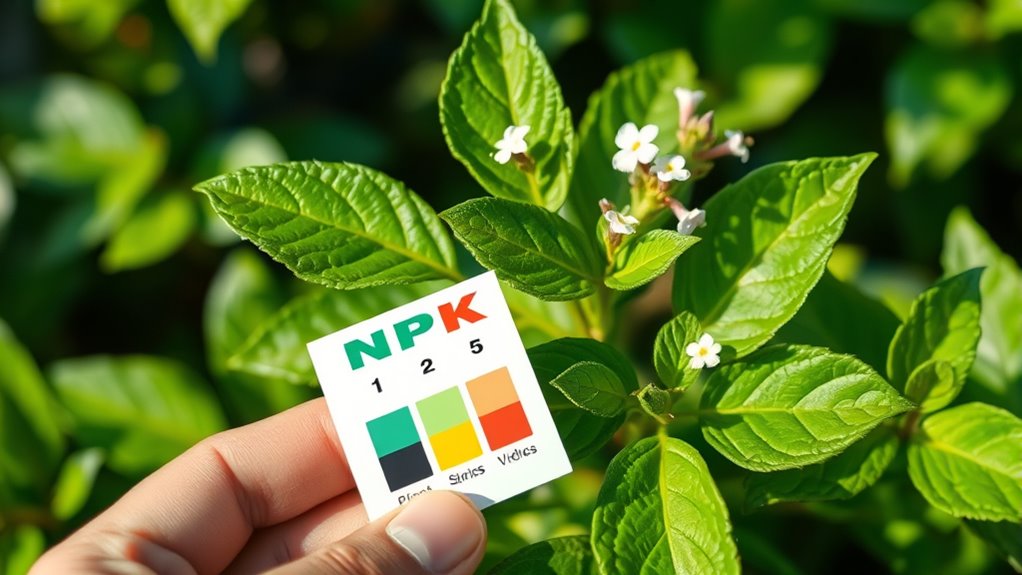
Understanding NPK labels is essential for choosing the right fertilizer for your plants. You’ll need to interpret the numbers and recognize what the symbols mean. Once you grasp these basics, selecting the best product becomes much clearer. For example, self-watering plant pots utilize a reservoir system that maintains optimal moisture levels, which can influence your fertilizer choices. Additionally, understanding color accuracy and the role of contrast ratio in projector image quality can help you create an ideal viewing environment, ensuring vibrant visuals and deep blacks. Moreover, understanding fraud detection techniques can help in selecting reputable suppliers and ensuring product authenticity.
Deciphering NPK Numbers
When you look at an NPK label on fertilizer, the numbers represent the ratio of nitrogen, phosphorus, and potassium in the mix, but deciphering what these numbers mean can seem confusing at first. For example, a label reading 10-20-10 indicates 10% nitrogen, 20% phosphorus, and 10% potassium by weight. Keep in mind that soil pH influences nutrient uptake; certain ratios work better in acidic or alkaline soils. Organic fertilizers often have lower NPK numbers but improve soil health long-term, while synthetic options provide immediate nutrient availability. Understanding these labels helps you choose the right fertilizer for your plants’ needs and soil conditions. Remember, the numbers reflect nutrient content, not necessarily quality or effectiveness, so consider your soil’s pH and whether you prefer organic or synthetic options. Additionally, content discovery on platforms like TikTok often showcases trending fertilizers and gardening tips that can guide your choices. Knowing the NPK ratios helps gardeners tailor their fertilization approach for optimal plant health and growth, especially when considering soil conditions and plant requirements.
Understanding Label Symbols
NPK labels use specific symbols and formatting to communicate nutrient information clearly. You’ll see the three numbers representing nitrogen (N), phosphorus (P), and potassium (K) ratios, often separated by dashes or colons. Sometimes, labels include symbols like “NPK” or icons indicating whether the fertilizer is organic or synthetic. Understanding soil pH is vital because it affects nutrient availability; some fertilizers are better suited for specific pH levels. Organic fertilizers often display additional symbols or certifications on their labels, highlighting natural ingredients. Pay attention to any symbols indicating slow-release or water-soluble formulas. By reading these symbols and numbers carefully, you can select the right fertilizer that complements your soil pH and supports healthy plant growth, whether you’re using organic options or synthetic blends. Additionally, considering heat pump technology can help optimize energy efficiency in your home, especially in areas with varying climate conditions. Recognizing the importance of financial management can also aid you in budgeting for gardening supplies and investments, and understanding nutrient balance can ensure your plants receive proper nourishment for optimal growth.
As an affiliate, we earn on qualifying purchases.
Common NPK Ratios for Different Types of Plants

Different plants have specific nutrient needs, which is why choosing the right NPK ratio is crucial for healthy growth. For vegetables like leafy greens, a balanced ratio such as 10:10:10 supports overall development. Flowering plants, like roses, often thrive with a higher phosphorus ratio, such as 10:20:10, to promote blooms. Fruits, like tomatoes, benefit from a nitrogen-rich mix initially, then shifting to a higher potassium ratio during fruiting stages. Soil pH influences nutrient uptake, so tailor the NPK ratio accordingly. Organic fertilizers, such as compost or manure, usually have a more balanced or lower NPK ratio but can supplement specific needs. Matching your NPK ratio to your plant type ensures ideal growth and healthy yields.
Factors to Consider When Choosing an NPK Ratio

Choosing the right NPK ratio depends on several key factors that directly influence your plant’s growth and health. First, consider your soil pH, as it affects nutrient availability and how plants absorb fertilizer. Second, evaluate your plant’s specific needs; different plants require varying nutrient balances. Third, be mindful of fertilizer toxicity; too high a concentration can harm roots or cause nutrient lockout. Fourth, observe your plant’s growth stage, since young plants need different ratios than mature ones. By paying attention to soil pH, preventing toxicity, and matching the NPK ratio to your plant’s requirements and stage, you guarantee ideal growth. These factors help you choose a balanced fertilizer that promotes healthy development without risking nutrient imbalance.
Adjusting Fertilizer Ratios Throughout the Growing Cycle

As your plants grow and their needs evolve, adjusting fertilizer ratios becomes essential to maintaining ideal health. During early stages, they often require more nitrogen to promote leafy growth, so increasing the NPK ratio accordingly helps. As flowering or fruiting begins, shift toward higher phosphorus and potassium to support bloom development. Keep an eye on soil pH, as imbalances can hinder nutrient absorption, requiring you to modify fertilizer types or ratios. Additionally, watering frequency impacts nutrient availability; frequent watering can dilute nutrients, so you might need to alter fertilizer strength or application timing. Regularly monitoring your plants’ response ensures your fertilizer adjustments align with their changing needs, promoting vigorous growth and healthy yields throughout the cycle. Incorporating soil testing and specialized fertilization techniques can further optimize nutrient uptake and plant performance. Being aware of nutrient deficiencies can help you identify when your plants need specific adjustments to their fertilization plan.
Tips for Applying Fertilizer Effectively and Safely

Applying fertilizer effectively and safely requires careful attention to detail to prevent plant damage and nutrient runoff. Start by conducting soil testing to determine existing nutrient levels, so you can tailor your application accordingly. Use organic fertilizers when possible, as they release nutrients slowly and improve soil health. Additionally, always check the signs of spoilage in your fertilizer to ensure it remains effective and safe for your plants.
Here are some tips:
- Always follow recommended application rates and timing.
- Avoid over-fertilizing, which can harm plants and pollute waterways.
- Water plants thoroughly after applying fertilizer to help nutrients penetrate the soil.
- Use fertilizers evenly and avoid applying directly on plant stems or leaves.
Frequently Asked Questions
How Often Should I Test My Soil for Optimal NPK Balance?
You should test your soil regularly to maintain an ideal NPK balance. Typically, soil testing frequency depends on your crop type and growing conditions, but a good NPK monitoring schedule is every 3 to 6 months. This helps you identify nutrient deficiencies early and adjust your fertilization plan accordingly. By staying consistent with soil testing, you’ll guarantee your plants receive the right nutrients for healthy growth and higher yields.
Can NPK Ratios Influence Plant Disease Resistance?
Think of your plants as warriors, and their nutrient balance as their armor. When you maintain proper NPK ratios, you’re strengthening their defenses against plant disease. An imbalance can weaken their immune response, making them more vulnerable. So, yes, NPK ratios influence plant disease resistance by ensuring the right nutrients are available to support robust growth and health, keeping your plants resilient against pests and diseases.
Are Organic Fertilizers Available With Specific NPK Ratios?
You’ll find organic options that come with specific NPK ratios, making it easier to meet your plant’s needs. Many suppliers offer customized blends tailored to different crops or soil conditions, giving you precise nutrient control. These organic fertilizers often include ingredients like compost, bone meal, or fish emulsion, allowing you to select the right balance for healthy growth. So, yes, you can choose organic fertilizers with targeted NPK ratios.
How Do Climate Conditions Affect NPK Nutrient Requirements?
Climate conditions directly impact your plants’ nutrient needs by influencing nutrient variability and climate adaptation. Warmer, drier conditions may require increased potassium for drought resistance, while cooler, wetter climates might need more nitrogen for lush growth. You should adjust your NPK ratios accordingly, monitoring how your plants respond to seasonal changes. Understanding these climate-driven shifts helps optimize fertilizer application, ensuring your plants thrive regardless of environmental fluctuations.
What Are the Signs of Nutrient Deficiencies Related to NPK Imbalance?
Imagine your plants whispering for help—yellowing leaves, stunted growth, or poor flowering. These are classic signs of deficiency symptoms caused by NPK imbalance. You can detect these through careful symptom identification, noticing if leaves turn pale (nitrogen deficiency), or if fruits are small and underdeveloped (phosphorus or potassium issues). Addressing these signs quickly guarantees your plants regain health and flourish again.
Conclusion
By understanding NPK ratios, reading labels, and considering your plant’s needs, you can tailor your fertilizing approach. Adjusting ratios throughout the growing cycle, balancing nutrients like a symphony, and applying fertilizer safely guarantees healthy growth. Think of it as nurturing a delicate dance—each step, each element, working in harmony. With knowledge and care, you’ll cultivate vibrant, thriving plants that flourish and flourish, creating beauty and bounty in your garden.
Fall Picks
fall essentials
As an affiliate, we earn on qualifying purchases.