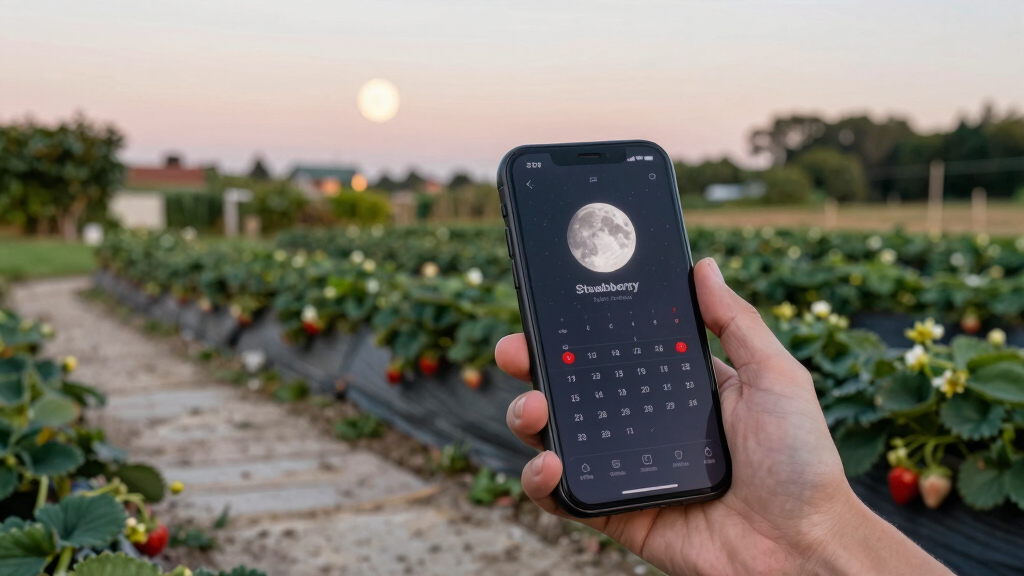

TL;DR
The strawberry moon will reach its peak in June, offering a prime viewing opportunity for skywatchers. This article covers when and how to see it, its significance, and what is still unknown.
The strawberry moon will reach its peak in the early hours of June 24, 2024, offering a prime opportunity for skywatchers to observe this month’s full moon. This event is confirmed by astronomers and is visible across much of the Northern Hemisphere, making it a notable celestial occurrence this month.
The full moon occurs on June 24 at approximately 2:39 a.m. UTC, but it will be visible in the nights surrounding this date, especially during the early morning hours. The moon is called the strawberry moon because of its historical association with the strawberry harvest in North America, according to lunar naming traditions. Visibility depends on local weather conditions, but clear skies are expected in many regions.
According to NASA, the moon will appear full from late June 23 through the early hours of June 24. The event is not only a visual spectacle but also an opportunity for astronomers and enthusiasts to observe the moon’s surface features more clearly, especially during the peak moments of brightness.
Why the June Strawberry Moon Matters for Observers
The full moon has cultural and scientific significance. It marks the beginning of summer festivities and is associated with seasonal changes. Scientifically, full moons can influence tides and biological behaviors in some species. The strawberry moon’s timing coincides with the strawberry harvest, symbolizing seasonal change in many cultures.
For skywatchers, this event provides a chance to observe the moon’s features with the naked eye or through telescopes, which can aid in understanding lunar geography. It also serves as an opportunity for educational activities related to astronomy.

Celestron FirstScope Signature Series Moon Tabletop Dobsonian Telescope
- Warranty and Support: 2-Year US warranty with expert support
As an affiliate, we earn on qualifying purchases.
As an affiliate, we earn on qualifying purchases.
Historical and Astronomical Context of the Strawberry Moon
The term strawberry moon originates from Native American and European naming traditions, which assigned names to full moons based on seasonal events. Historically, the June moon marked the time for harvesting strawberries, giving the moon its name. Astronomically, the full moon occurs when the moon is opposite the sun in the sky, and in June, it typically occurs near the summer solstice, making it the longest night of the year in the Northern Hemisphere.
This year’s full moon occurs during a period of relatively clear skies in many regions, providing good viewing conditions. It is part of the lunar cycle that repeats roughly every 29.5 days, with the next full moon scheduled for July 22, 2024.
“The strawberry moon is a significant celestial event that aligns with cultural traditions and astronomical phenomena. It offers an opportunity for the public to observe the night sky.”
— Dr. Lisa Grant, astronomer at the Planetarium Society

Lunescope 🔭🌘 Moon Viewer
- Current moon phase and crescent angle: View moon phase and crescent angle for any date or location
- High zoom moon map: Zoom up to 2500x for detailed moon view
- Monthly moon phase calendar: Check moon phases for the entire month
As an affiliate, we earn on qualifying purchases.
As an affiliate, we earn on qualifying purchases.
Weather Conditions and Visibility Uncertainties
While the astronomical timing of the full moon is confirmed, local weather conditions may affect visibility. Cloud cover, haze, or rain could obscure the view in some regions. The exact visibility window may vary depending on geographic location and atmospheric conditions.

20×80 Astronomy Binoculars for Adults
- High Magnification: 20x magnification for detailed viewing
- Large Objective Lenses: 80mm lenses for bright images
- Tripod Compatible: Includes tripod for stable viewing
As an affiliate, we earn on qualifying purchases.
As an affiliate, we earn on qualifying purchases.
Upcoming Lunar Events and Observation Tips
After the strawberry moon peaks in late June, the next full moon will occur on July 22, 2024. Skywatchers are advised to observe during the early morning hours around June 24 for the best view. Checking local weather forecasts and choosing a dark, unobstructed location can improve viewing conditions. Educational institutions and astronomy clubs may host viewing events or provide additional information about lunar phenomena.

Japan Map (National Geographic Adventure Map, 3023)
- Scale: 1:1,000,000: Detailed Japan map at 1:1 million scale
As an affiliate, we earn on qualifying purchases.
As an affiliate, we earn on qualifying purchases.
Key Questions
When is the best time to see the strawberry moon?
The best viewing time is during the early morning hours of June 24, 2024, around 2:39 a.m. UTC, but visibility will be good on the nights surrounding this date, weather permitting.
Why is it called the strawberry moon?
The name originates from Native American and European naming traditions, linked to the strawberry harvest season in North America.
Will the moon be visible in cloudy weather?
Cloud cover and weather conditions will determine visibility. Clear skies are ideal for viewing, but local weather forecasts should be checked closer to the date.
Can I see the moon without special equipment?
Yes, the full moon is visible to the naked eye and appears brighter and larger during the peak, making it accessible for all viewers.
What other lunar events are expected this year?
The next full moon will occur on July 22, 2024. Additional lunar phases and eclipses may be scheduled later in the year, depending on astronomical conditions.
Source: google-trends